Fraternidad-Muprespa participates in the PREVERAS 2026 Congress of Ergonomics and Psychosociology
The XVI International and XX National Congress of Ergonomics and Psychosociology PREVERAS 2026 Congress, held last week in Oviedo, brought together professionals, entities and specialists in ergonomics, psychosociology and occupational health to analyze the current challenges of prevention in a context marked by digital transformation, organizational changes and the growth of psychosocial risks.
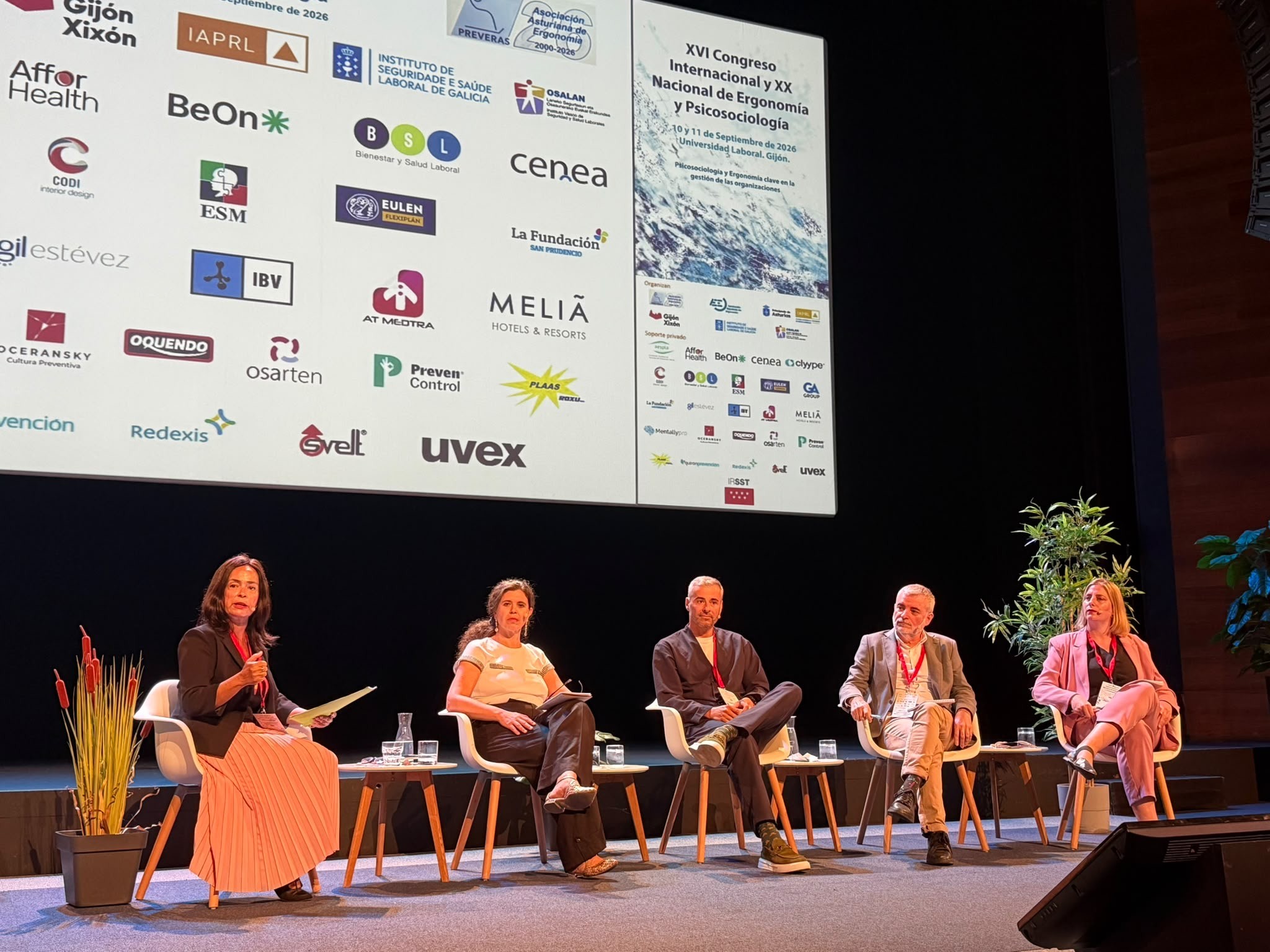
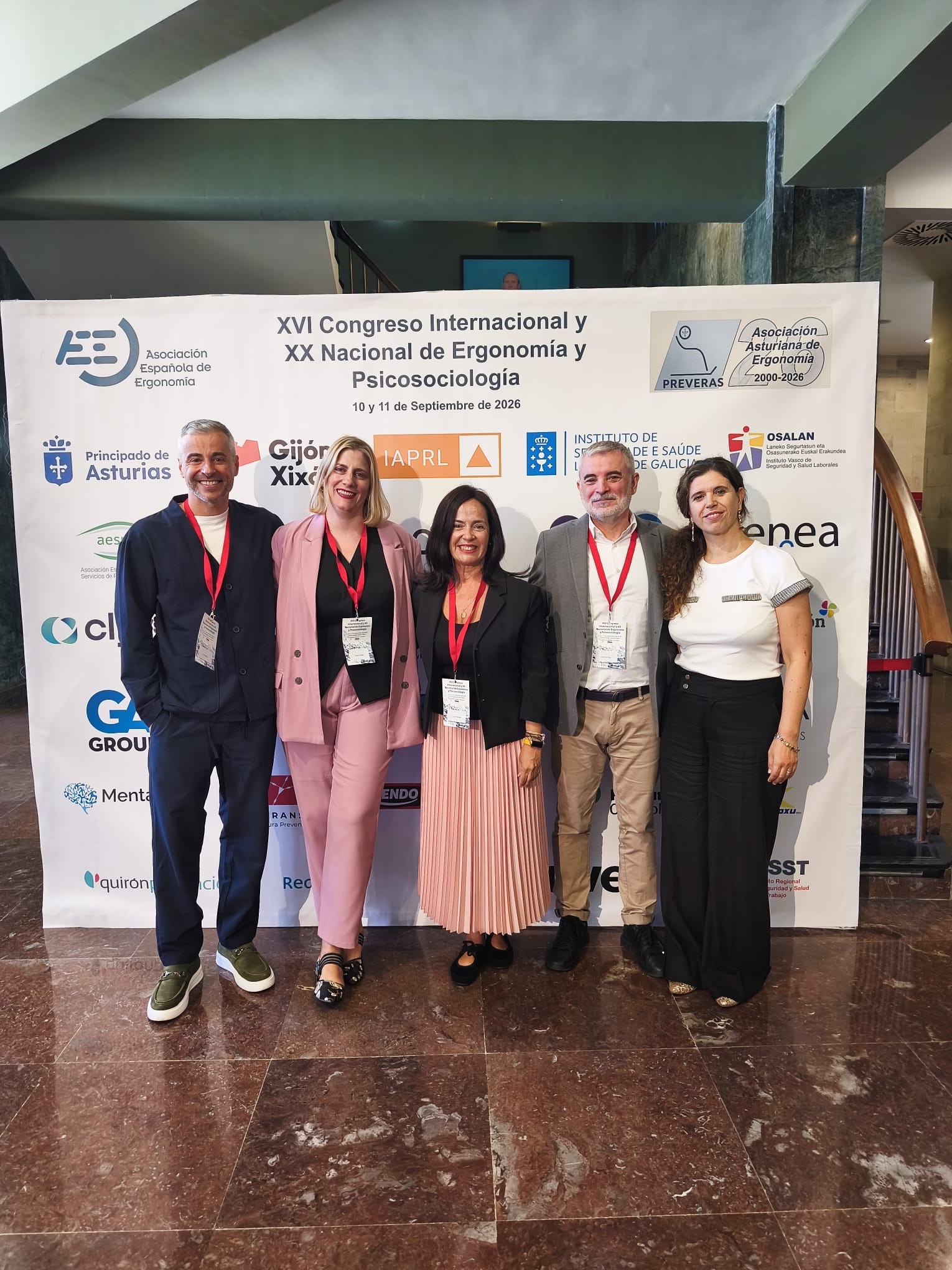
Fraternidad‑Muprespa, represented by Natalia Fdez. Laviada, Deputy General Director of Prevention, Quality and Communication of the Mutua, participated in the Quadrilateral Table “Specialty, unity or duality?”, in which he participated Ivan Fernandez Suarez, prevention consultant for the Mutua in Asturias.
Fernández defended the need to review the current preventive model in light of the evolution of the specialty and the evidence provided by recent data. He pointed out that mental health is already the second cause of temporary disability in Spain, with processes 2.5 times longer than the rest, and that mental pathology has increased by 490% between 2018 and 2024 according to the INSST. Added to this are 'algias' and musculoskeletal disorders, which account for a large part of absenteeism and disabilities.
He highlighted the inconsistency between the magnitude of the problem and the limited provision of resources in ergonomics and psychosociology, areas that represent more than 70% of absenteeism, but continue to be less reinforced both in prevention services and in university training. He also highlighted that the current model maintains structures from 1997 and fails to stop the increase in psychosocial risks, driven by digitalization, teleworking or hyperconnectivity.
Fernández defended that ergonomics and psychosociology have grown in complexity, from advanced biomechanics to leadership, preventive culture or the impact of AI, and require specific methodologies. He concluded that the current breadth of these disciplines makes it unfeasible for a single professional to cover all their areas, so “The time has come to stop sharing space and allow them to grow fully.”.
At the close of the session, the public voted between the two positions proposed and the option in favor of separating the specialties prevailed.