
Guide to Good Practices in Home Office
A year ago, due to the state of alarm, the home office came into our lives as a form of teleworking. What was previously a practice reserved almost for large multinationals, with offices all over the world, became a necessity for all types of companies and sizes, as an interpersonal distancing measure to prevent the risk of contagion.
Once again, we demonstrate that flexibility and adaptation is one of the characteristics that distinguishes our organizations and that leads us to success. For this reason, today we are talking about one of our good practices guides, made in collaboration with Prevencontrol whose title is: Good Practices in Home Office, where, once again, in an innovative, visual and simple way, we will explain what the home office is, types, advantages, disadvantages, and the part that we like the most, we will give examples of good practices that can implement our associated companies in a relatively easy way.
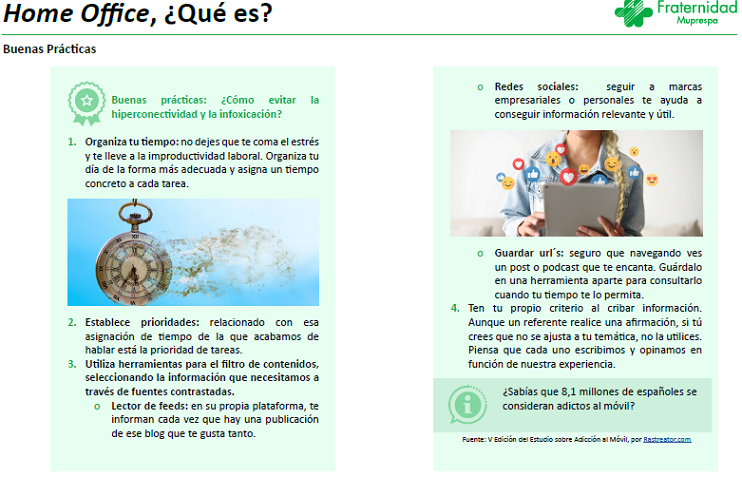
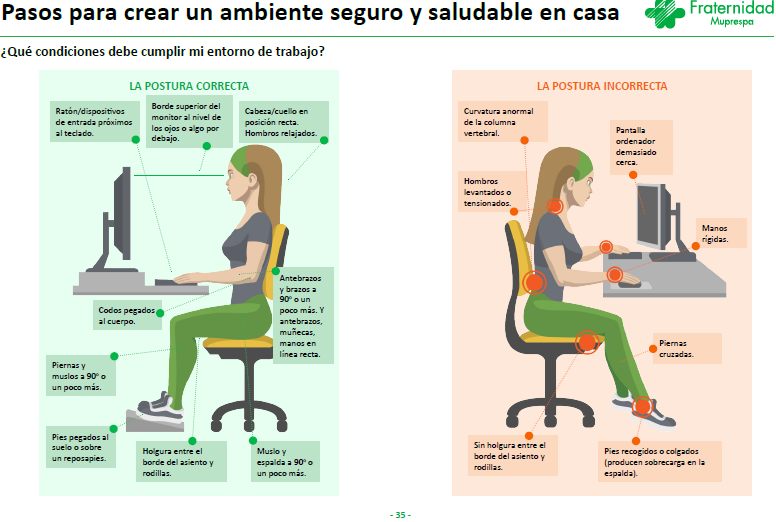
In the central part of the guide we will give you tips and examples to design your workspace so that it is safe and pleasant, as well as describe important problems such as infoxication and the lack of digital disconnection, which generates long-term psychosocial risks.
Many times, we forget to rest in the midst of the whirlwind of work, in this guide we also describe techniques to take those much-needed breaks, which will allow us to reach the end of the day while minimizing the physical and mental load.
This guide was presented by our colleagues from Teleworking: visual fatigue, physical load, musculoskeletal disorders and psychosocial risks:
If you are mutualist of our entity and want to know more about this topic, you can read this guide in full by accessing our platform on-line ClassroomHTMLTAG31___ Prevention which you can access from our portal Previene.
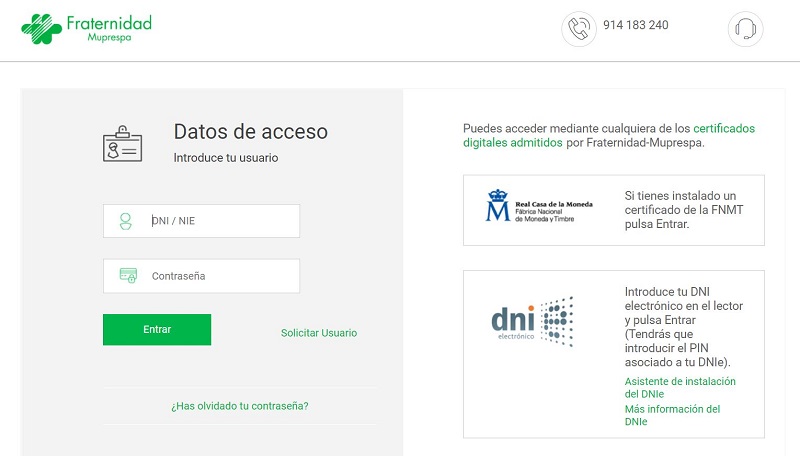
You can easily register and access with your ID and password or digital certificate.
At Fraternidad-Muprespa we hope that this guide is of interest to our mutual members, meets their expectations by predominating practical cases and helps to strengthen the necessary preventive knowledge, as well as the implementation of preventive measures that can be effectively transferred to the workplace, thus guaranteeing the safety, health and well-being of workers.