
How to improve preventive culture through NLP? The eighth edition of FRATERTALKS celebrated
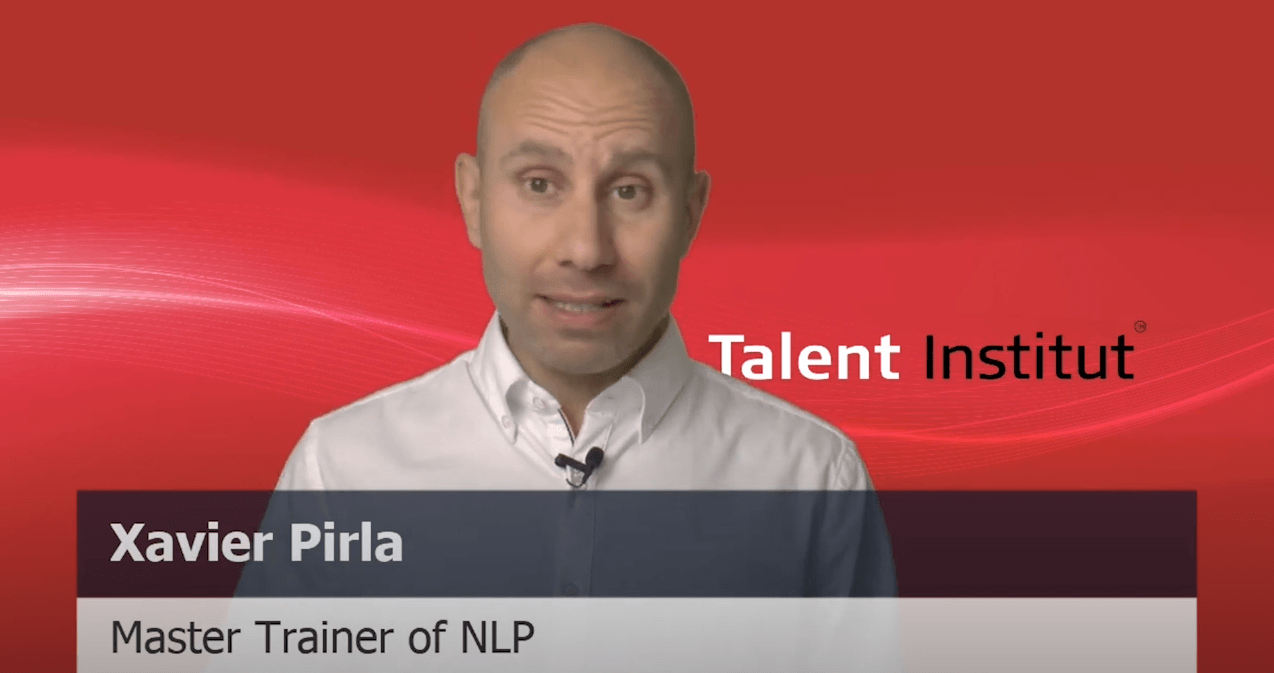
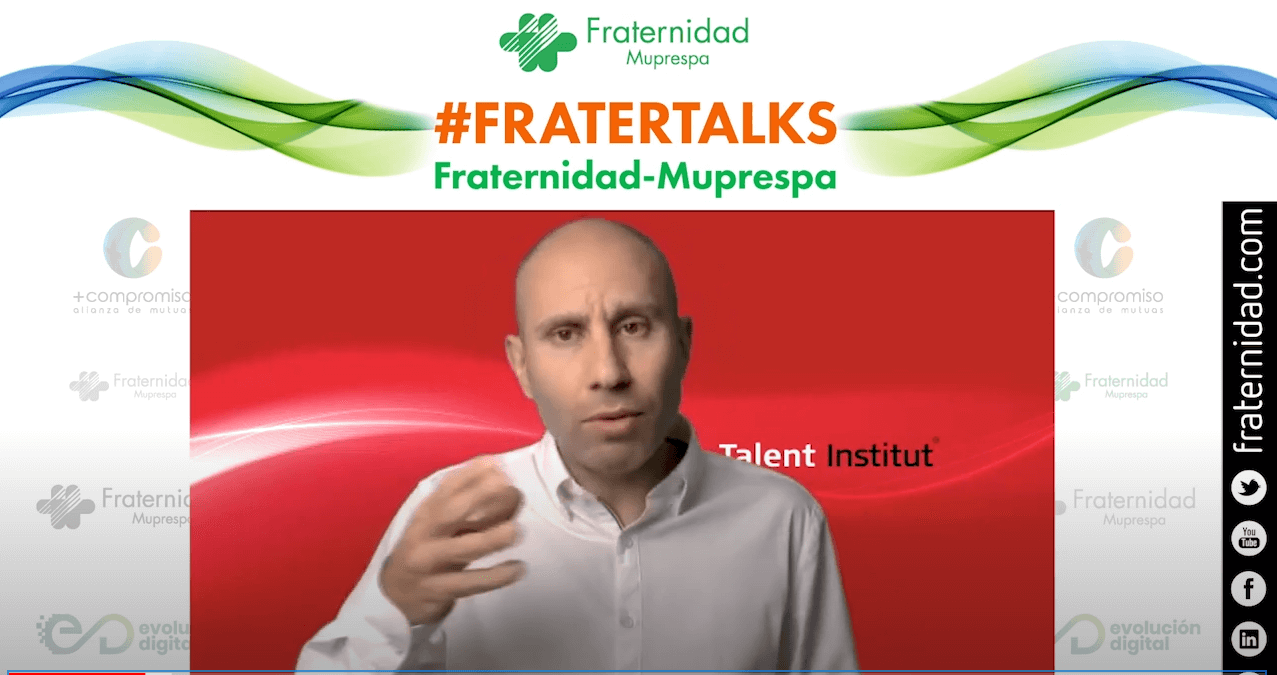
On January 22, Fraternidad-Muprespa held a new edition of FRATERTALKS which had as a guest Xavier Pirla, the only NLP Master Trainer in Spain. During the minutes he shared with the attendees, Xavier gave a very interesting presentation on Neurolinguistic Programming, explaining what it is, what its main foundations are and, above all, how it can help us improve the preventive culture in companies.
Throughout the FRATERTALK, Xavier offered us some keys to achieve, through NLP, changing insecure behavior for a preventive attitude, how to train certain essential skills for middle managers and the importance of how we communicate and the capacity for influence that we can exert through it.
Likewise, in the current pandemic panorama that we are experiencing, where our emotional well-being is being tested, Xavier explained how NLP can help us stay motivated and become increasingly resilient, avoiding negative emotions such as stress, anxiety or frustration.
Without a doubt, it was a most interesting and educational day. If you were not able to attend FRATERTALK live, here is another opportunity to watch it:
In addition, Xavier had the great detail of recording another video answering the questions that the attendees raised during the event, which you can see below:
Finally, during this FRATERTALK#8 the new Fraternidad-Muprespa guide was presented: "Neurolinguistic Programming for the intervention of work stress", available to all our mutual workers through our Online Prevention Classroom. You can access the guide by clicking ___HERE.
Trust is the lubricant of any organization.
And until the next Fratertalk, which will be February 26 at 10am, we leave you some questions for reflection...
- Do accidents follow any pattern that allows us to anticipate them before they occur? Or is it a completely random pattern?
- Is there any mathematical formula that helps us know what the chances are of an accident occurring?
- To what extent can the data predict workplace accidents?
To answer these and other interesting questions we will have Ricardo Díaz Martín, Professor of Engineering at UDIMA and Dean of the Official College of Chemists of Madrid, in a Fratertalk that will be titled 'Is it possible to predict the accident rate?'.
Ricardo is one___one of the people who has most deeply studied accident prediction through a fully analytical approach, going so far as to design models mathematicians for the prediction of occupational accidents.
All this to be able to anticipate the accident, thus prioritizing the most timely preventive measures and being much more effective in our preventive work.
You can register for Fratertalk by clicking HERE.