Hygiene and Prevention in phase 3 of transition to the new normal
This Monday, June 8, more than half of the Spanish population moves to phase 3 for the transition to the new normal, the conditions of which are included in the Order SND/458/2020 of May 30, 2020, which makes certain national restrictions established after the declaration of the state of alarm in application of the third phase of the de-escalation as well as what is included in the Order SND/507/2020 of June 6, by which various orders are modified in order to make certain national restrictions more flexible and establish the territorial units that progress to phases 2 and 3 of the plan for the transition to a new normality.
The fundamental objective is to ensure that, while preserving public health, daily life and economic activity are gradually recovered, minimizing the risk that the epidemic represents for the health of the population and preventing the capacities of the National Health System from being overwhelmed.
The most notable conditions included in this regulation regarding to hygiene and prevention measures are the following:
- Whenever possible, the continuity of teleworking will be encouraged for those workers who can carry out their work activity remotely.
- In the companies, businesses, centers and entities provided for in the aforementioned order, the necessary measures must be adopted to comply with the hygiene and/or prevention measures for workers.
- Companies may develop protocols for returning to work in person, in accordance with labor regulations and occupational risk prevention, which must include recommendations on the use of protective equipment, the description of the safety measures to be applied and the regulation of returning to work with staggered hours.
- It will be ensured that all workers have at their disposal in the workplace hydroalcoholic gels or disinfectants with virucidal activity for cleaning hands, or when this is not possible, soap and water.
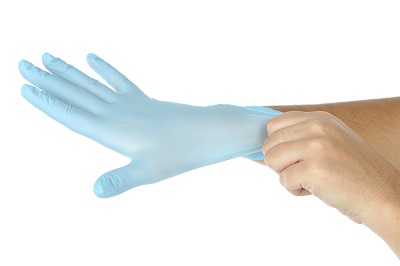
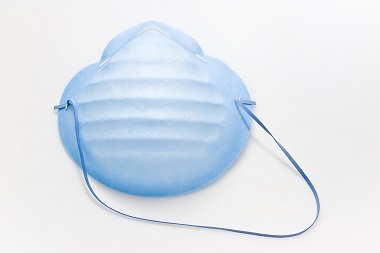
- When the interpersonal safety distance of approximately two meters cannot be guaranteed, it will be ensured that workers have protective equipment appropriate to the level of risk.
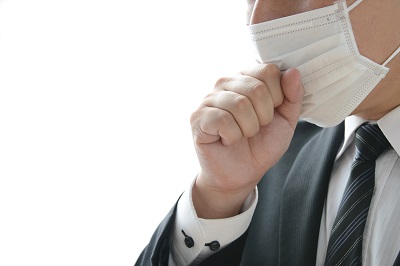
- If a worker begins to have symptoms compatible with the disease, they will immediately contact the telephone number set up for this purpose by the autonomous community or health center and, where appropriate, the occupational risk prevention services. Whenever possible, the worker will put on a mask, and must leave his or her workplace until his or her medical situation is assessed by a health professional.
- Centers must make adjustments to their time organization to avoid the risk of massive coincidence of people in work spaces or centers during the time slots of maximum expected influx or concentration.
- In cleaning tasks, special attention will be paid to areas of common use and the most frequently touched surfaces such as doorknobs, tables, furniture, handrails, floors, telephones or hangers.
- When there is an elevator or forklift in the centers, entities, premises and establishments provided for in this order, its use will be limited to the essential minimum and stairs will preferably be used.
- Payment by card or other means that do not involve physical contact between devices will be encouraged, avoiding, as far as possible, the use of cash.
- The dataphone will be cleaned and disinfected after each use, as well as the POS terminal if the employee who uses it is not always the same.