Fraternidad-Muprespa trains its trauma professionals in pioneering techniques
Healthcare excellence is the mission of the Mutua, and patients are the center of Fraternidad-Muprespa's activity.
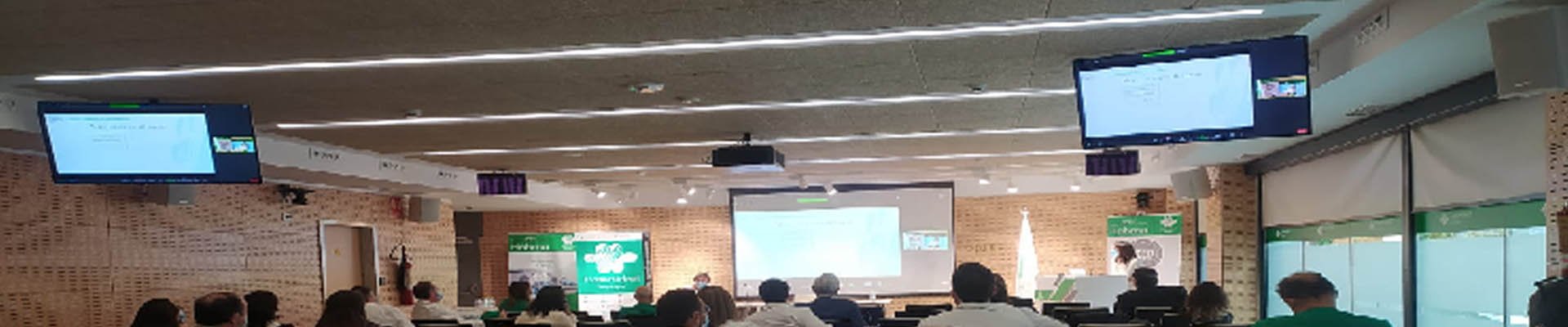
On November 18, a training session took place at the Fraternidad-Muprespa Havana Hospital for all the entity's traumatologists, so that they could learn about and apply new techniques to patients. The session brought together 20 traumatologists in person and another 22 online.
The objective of the training meeting was to present and debate complex clinical cases from a scientific perspective, thereby emphasizing the importance of continuous training to improve the patient's recovery and return to personal and work activity, under the same conditions as before suffering the accident.
Esteban Mate, Deputy General Manager of Management of
“Our patients rate us with an outstanding score, exactly 8.93, and this is thanks to the work of our healthcare workers and the excellence in process management” stated José Ignacio Mora, director of the IT Care Coordination and Control Center.
Before moving on to the technical part, José Fabregat, managing director of the Fraternidad-Muprespa Habana Hospital intervened, focusing on the fact that “we want to inform and train in surgery not only our traumatologists, but also anyone who wants to know our Hospital, always putting the focus on the patient” and He highlighted that “in the Fraternidad-Muprespa team we are all necessary and complementary.”
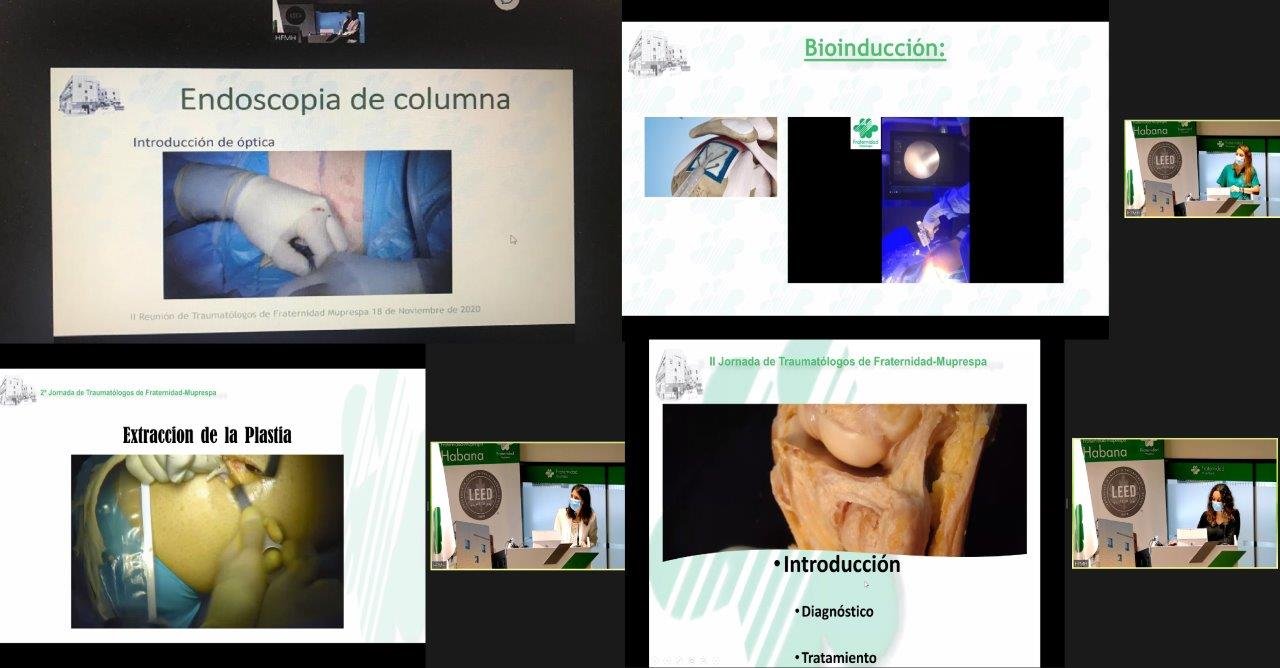
The practical part, presented by the head of the Traumatology service, Álvaro Minuesa, was focused on four interesting and pioneering treatments presented by new professionals from the spine, shoulder and lower limb units, with such interesting topics as spinal endoscopy for the treatment of narrow lumbar canal; the use of the collagen bioinducing implant in the treatment of the rotator cuff (performed for the first time in Spain and in Continental Europe); the “all inside” technique for the repair of anterior cruciate ligament rupture and ulnar-carpal impaction syndrome and its different treatment alternatives.