
Guide to Good Practices in Psychosocial Risks
We are passing the midpoint of the number of good practice guides that we have presented on a monthly basis, they are 9. These guides (15) that we have developed in collaboration with Prevencontrol, whose innovative content has not been published before, have the quality of explaining in an entertaining way topics that are not always simple, the result of the elaborate work that has been carried out. This month we present the Good Practices Guide on Psychosocial Risks, which is very relevant due to the recent presentation of Technical Criterion 104/2021 on actions of the Labor Inspection regarding psychosocial risks.
In this guide, as always, we start at the beginning, which is to ask ourselves the question:
Do you know what psychosocial risks are?
Indeed, we hear many times (lately!!) that we must avoid psychosocial risks, stress, fatigue, burnout syndrome...but to tackle them what we will have to do is define them, evaluate them to put measures that work, if they do not work we re-evaluate and re-implement, thus in a loop of continuous improvement.

Very good, but if I am a small or micro-business, how can I do all this? Well, the first thing you should do is read our Good Practices guide on Psychosocial Risks, you will surely find successful examples, already tested in other companies, that you can customize for your company and then see if they are effective measures. The key is not having to reinvent the wheel, so we move faster.
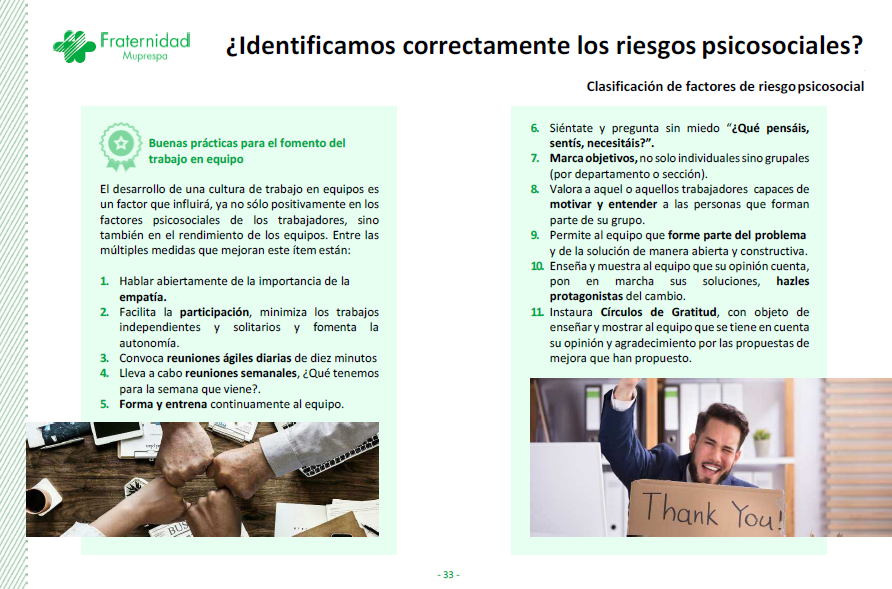
As always, we are not going to reveal the entire guide, but we do want to leave you here a good practice that we love for how simple, useful and fantastic it is:
...and how movement is demonstrated by walking:
THANK YOU TO ALL MY COLLEAGUES FROM THE PREVENTION AND DEVELOPMENT OF HEALTH CULTURE TEAM AT FM BECAUSE YOU ARE THE BEST!
All our guides have the same structure:
- A brief introduction where the guide is put into place.
- A presentation and objectives section that reflects what is intended with this guide and the target audience.
- Central part with the different chapters, within which practical and accessible content will be included for all people who follow the guide. Each chapter includes:
- Introduction.
- Summary associated with the chapter.
- Conclusions.
- Final reflection questions.
- Solutions.
- Final section with bibliography.
If you are mutualist of our entity and want to know more about this topic, you can read these guides in full by accessing our platform online ClassroomHTMLTAG67___ Prevention which you can access from our portal Previene.
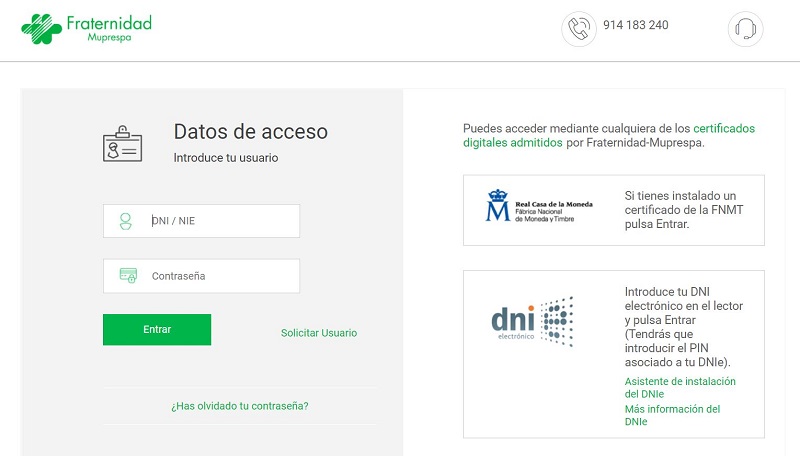
You can easily register and access with your ID and password or digital certificate.
At Fraternidad-Muprespa we hope that these guides are of interest to our mutual members, meet their expectations by predominating practical cases and help to strengthen the necessary preventive knowledge, as well as the implementation of preventive measures that can be effectively transferred to the workplace, thus guaranteeing the safety, health and well-being of employees. workers.