
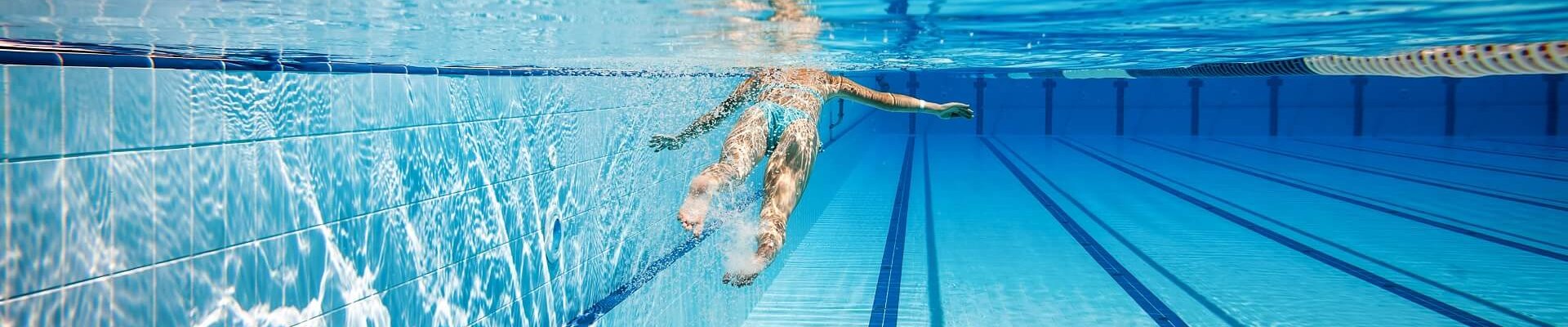
Risk of Sars-Cov-2 Transmission on beaches and swimming pools
After several months of confinement that to many of us have seemed like an eternity, summer has arrived and due to the fear of infections, it seems that the vacation trips we are taking are shorter and to closer places. Meanwhile, swimming pools are an effective way to cool off in this hot weather. We still have many days left in the summer season, so this report from the Higher Center for Scientific Research (CSIC) we believe can be useful.
The report that we bring to this news space today has been carried out by a group of experts belonging to the CSIC and sheds some light on the transmission of Sars-Cov-2 in spaces intended for bathing or other aquatic activities, we are referring not only to swimming pools, but also lakes, rivers and freshwater surfaces. This text does not define the conditions of use, because that would require an exhaustive study, with more time, samples and more thorough analysis, it simply describes what has been written in the scientific literature until May 5, 2020.
Let's see the most relevant points:
- We must continue to maintain the general recommendations regarding social distancing also in swimming pools, spas, rivers and lakes since the most important route of transmission of this virus continues to be the respiratory secretions that we expel when coughing and sneezing, being in close contact.
- In aquatic recreational activities, the transmission of this virus is unlikely. The problem is that by being in these activities or places we relax social distancing measures and that does lead to transmission of the virus.
- In swimming pools or spas, they already knew the risk of infection due to the transmission of viruses and bacteria due to the movement of people, so the hygiene and cleaning measures that have been proposed to prevent the transmission of Sars-Cov-2 were already applied before.
- In cases where the water is at high temperatures such as spas, virus survival is expected to be much lower.
- In relation to seawater, although it is true that we do not have data on the persistence of this virus, it is estimated that due to dilution in water and the sun, the viral load decreases and the inactivation of the virus by analogy with similar organisms.
- If we talk about beach sand or river banks, although there are no studies on the prevalence of this virus, the action of the salt in seawater, UV radiation and the high temperatures they can reach are favorable for the inactivation of this pathogenic agent. Although we want to emphasize that any sand cleaning and disinfection method used must be respectful of the environment.
- On the other hand, the survival of this virus in water from rivers, lakes or freshwater and untreated pools, may be higher than that in swimming pools or the sea. It is in these cases that we must take extreme caution by avoiding crowds, these being the most inadvisable means.
From Fraternidad-Muprespa we encourage you to follow all the instructions to stop this virus and we offer you an entire section of our website Previene dedicated to this virus, where you can find recommendations, good practices, posters, infographics and all kinds of updated information related to it theme.