Teleworking: tips and recommendations
El artículo 5 del Real Decreto Ley 8/2020 del 17 de marzo sobre medidas urgentes frente a la pandemia del Covid-19, establecía como prioridad la realización del teletrabajo siempre que sea posible:
“Con el objetivo de facilitar el ejercicio de la modalidad de trabajo a distancia en aquellos sectores, empresas o puestos de trabajo en las que no estuviera prevista hasta el momento, se entenderá cumplida la obligación de efectuar la evaluación de riesgos, en los términos previstos en el artículo 16 de la Ley 31/1995, de 8 de noviembre de Prevención de Riesgos Laborales, con carácter excepcional, a través de una autoevaluación realizada voluntariamente por la propia persona trabajadora”
Desde ese momento, el trabajo a distancia se ha convertido en una realidad con más implantación en las organizaciones, que como cualquier modalidad de trabajo debe realizarse en condiciones de seguridad y salud.
En julio de 2021 se ha dado un paso más en nuestro país con la Ley 10/21 de trabajo a distancia que tiene como objetivo proporcionar una regulación para esta forma de prestación de trabajo, y un marco de derechos que recoja los principios sobre su carácter voluntario y reversible, la compensación de gastos, los tiempos máximos de trabajo y los tiempos mínimos de descanso, la igualdad de oportunidades en el territorio, la distribución flexible del tiempo de trabajo, así como los aspectos preventivos como una adecuada evaluación de riesgos y otros aspectos relacionados básicamente con la fatiga física y mental, el uso de pantallas de visualización de datos y los riesgos de aislamiento.
Desde Fraternidad Muprespa, te ofrecemos consejos sencillos que podrás seguir sin dificultad para lograr realizar un teletrabajo seguro y saludable
EL LUGAR DE TRABAJO
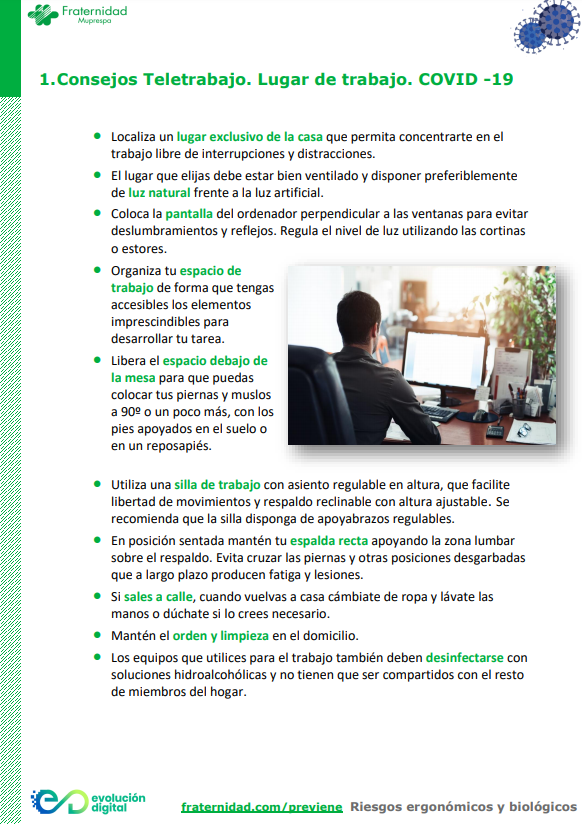
Para conseguir un lugar de trabajo seguro y confortable, debes seguir las recomendaciones ergonómicas relativas a las dimensiones de la mesa, características de la silla, teclado, ratón, pantalla perpendicular a las ventanas para evitar reflejos, ruido, temperatura, nivel de luz, humedad, etc.
Entre las medidas destacadas que atañen a la mejor elección del puesto de trabajo:
- Localiza un lugar exclusivo de la casa que permita concentrarte en el trabajo libre de interrupciones y distracciones.
- Sería ideal que escojas un lugar para trabajar bien ventilado y con luz natural.
En relación al Covid-19:
- Si sales a la calle, cuando vuelvas a casa cámbiate de ropa, deja los zapatos en la puerta y lávate bien las manos.
- Los equipos que utilices para el trabajo deberán ser desinfectados con solución hidroalcohólica.
Descárgate AQUÍ la información completa

LOS DISPOSITIVOS ELECTRÓNICOS
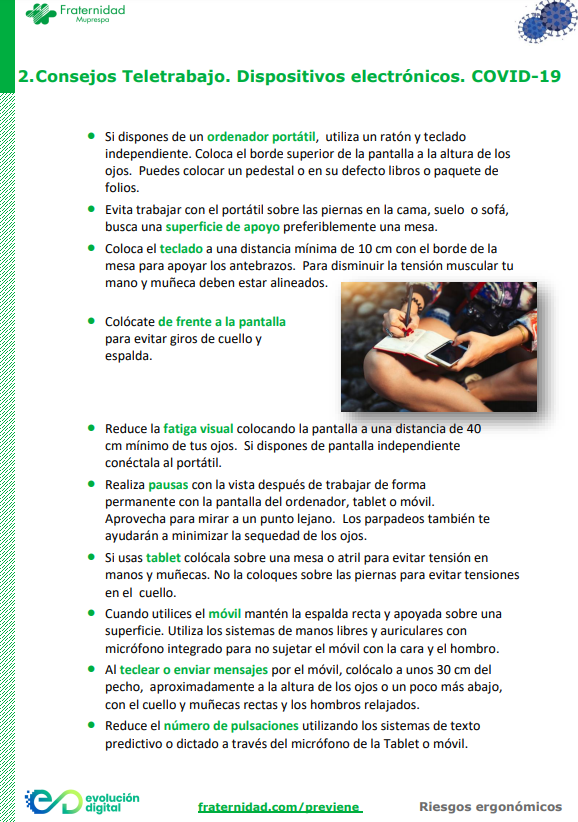
En casa puedes disponer de diferentes dispositivos electrónicos para realizar el teletrabajo, como pueden ser tablets, portátiles o móviles. Cada uno de ellos posee características diferentes, lo que tienen en común es que llevan asociados riesgos de fatiga visual y ergonómicos.
Fatiga visual:
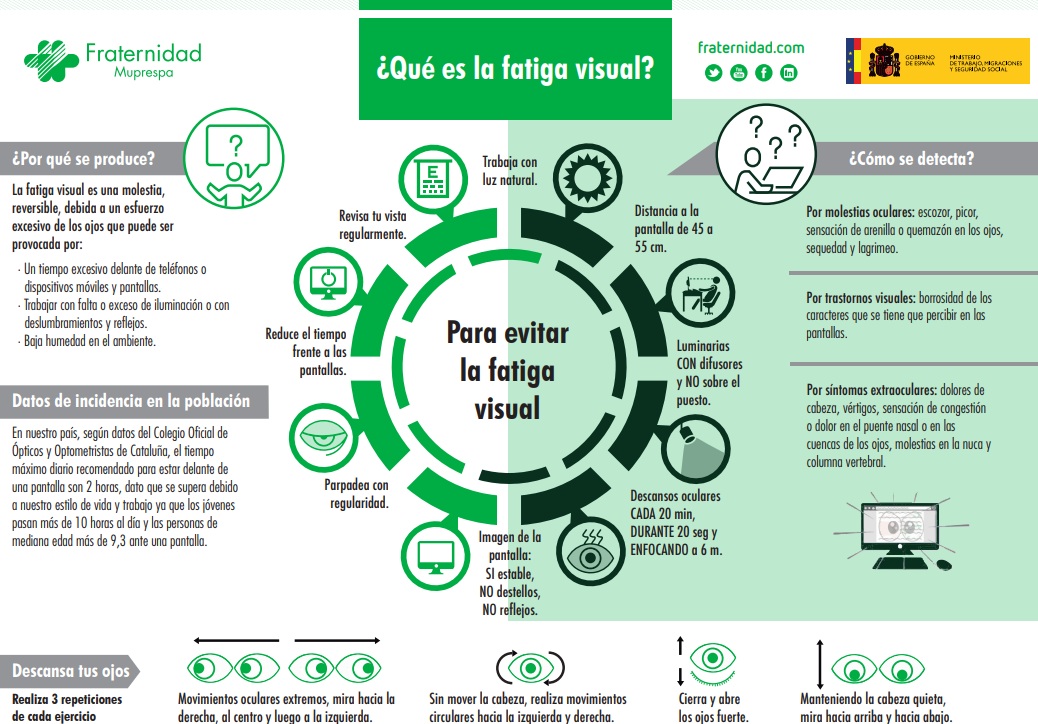
- En nuestro apartado de documentación relativo a trípticos e infografías, encontrarás recomendaciones para evitar la fatiga visual AQUÍ. Sobretodo haz pausas para relajar la vista, mira a un punto lejano cada cierto tiempo, hidrátate y pestañea, esto te ayudará a mantenerte en buen estado.
Riesgos ergonómicos:
- Portátil: no lo uses apoyado en las rodillas o en la cama, busca una mesa donde colocarlo a modo de ordenador de escritorio. Si posees una docking station úsala, añadiendo una pantalla, teclado y ratón independientes conseguirás un puesto de trabajo al uso.
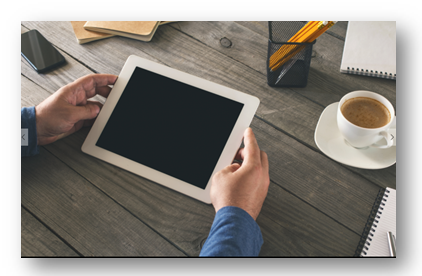
- Tablet: colócala sobre una mesa o atril, así evitarás tensiones en manos, muñecas y cuello.
- Móvil: mantén la espalda recta, apoyada sobre una superficie, utiliza sistemas de manos libres para no sujetar el móvil con la cara y el hombro. Si necesitas teclear textos colócalo a unos 30 cm. del pecho, a la altura de los ojos, hombros relajados, cuello y muñecas rectas.
Descárgate AQUÍ la información completa.

LA ORGANIZACIÓN Y PLANIFICACIÓN DEL TIEMPO
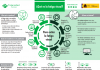
Consideramos un riesgo para la eficacia del teletrabajo no poseer una buena organización del tiempo. Sin una buena planificación te perderás en interrupciones varias, o bien en mala coordinación con tus equipos, siendo necesario trabajar por proyecto definiendo plazos y responsables. Las reuniones en remoto te permiten mantenerte unido a nuestro grupo, así estrechamos lazos en esta separación física impuesta.
Recomendaciones:
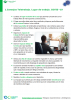
- Aunque pueda ser tentador...no trabajes en pijama. Utiliza ropa cómoda que te permita separar las fases diarias de sueño y vigilia-trabajo.
- Organiza tu tiempo, planifica pausas y mantén un listado de tareas actualizado. Establece un horario de sueño y de comidas. ¡Mantenlo!
- Informa de tus avances y tus objetivos a tu equipo o jefe, de modo que el equipo realice una planificación eficaz del trabajo.
- Ponte límites, sabemos que podemos continuar trabajando 24 horas ya que tenemos muchos asuntos pendientes, pero sabemos también que fuera de un horario racional se cometen errores y finalmente deberás rehacer lo hecho en los tiempos en que estás cansad@. Planea tu horario y ponle fin.
- Desconecta y realiza otras actividades que no provoquen fatiga visual como hacer ejercicio, jugar con tus hijos, sacar los regalos de reyes, colocar el armario...tal y como dicen nuestras madres: en casa siempre hay tareas por hacer.
Descárgate AQUÍ la información completa.
El ejercicio físico, la alimentación y el bienestar emocional te ayudarán a reducir los riesgos asociados al teletrabajo

Fichas, notas técnicas y guías sobre teletrabajo
- Guía buenas prácticas teletrabajo Fraternidad-Muprespa.
- Los peligros del tecnoestrés
- Conecta con un uso saludable del smartphone y el portátil
- Los riesgos del mal uso de las nuevas tecnologías
- Smartphone y salud
- Guía técnica para la evaluación y prevención de los riesgos relativos a la utilización de equipos con pantallas de visualización
- Agencia Europea para la Seguridad y Salud en el Trabajo. Espacio Teletrabajo
- NTP 1165: Teletrabajo, criterios para su integración en el sistema de gestión de la SST
- NTP 1150: Riesgos ergonómicos en el uso de las nuevas tecnologías con pantallas de visualización de datos
- NTP 1123: Las Tecnologías de la Información y la Comunicación (TIC) (II): factores de riesgo psicosocial asociados a las nuevas formas de organización del trabajo
- IRSST. Lista de comprobación: mi casa, mi oficina
- Guía práctica CEOE: Smart Working y Prevención de Riesgos Laborales: retos legales y de gestión en la empresa
- Guía Didáctica Teletrabajo de la Junta de Andalucía
- Buenas prácticas en teletrabajo en el domicilio OSALAN.
- Teletrabajo. Consideraciones para el cumplimiento ley de prevención INVASSAT
- El teletrabajo en la prevención de riesgos laborales AEEMT
- INSST. Consejos para mantener el bienestar emocional cuando se trabaja en casa debido al Covid-19.
- INSST. Orientaciones ergonómicas para trabajos a distancia con el ordenador debido al Covid-19 Recomendaciones para el empresario
- INSST: Riesgos psicosociales y trabajo a distancia por Covid19 para el empleador
- INSST. Consejos de gestión psicosocial en el trabajo a distancia debido al Covid-19
- INSST. Orientaciones para la gestión de los aspectos ergonómicos y psicosociales en situación de teletrabajo
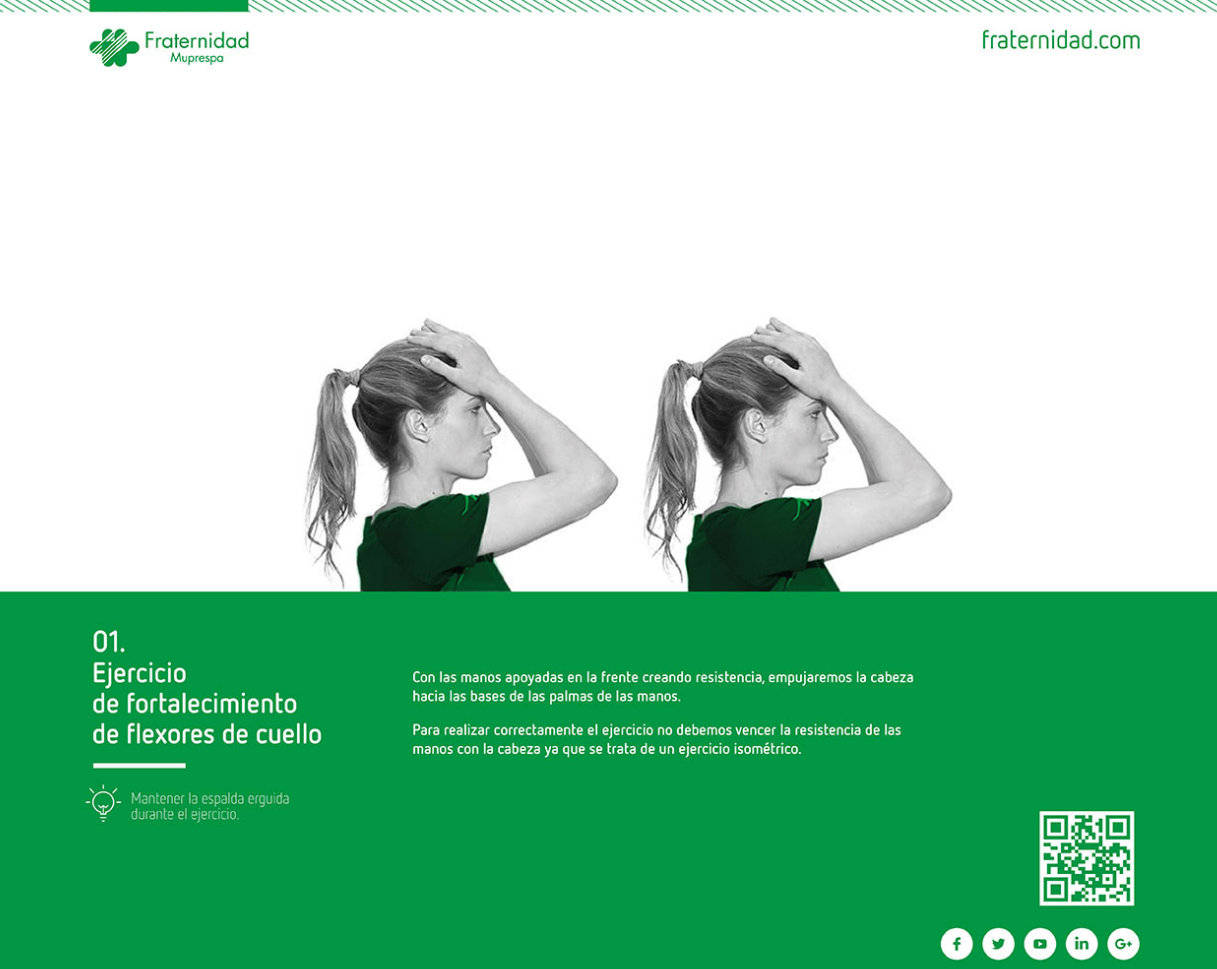
Higiene postural durante el teletrabajo
Nuestro agradecimiento a la Clínica de Fisioterapia Pérez & Salcedo, que nos ofrece a través del siguiente vídeo una serie de pautas y consejos donde podrás descubrir cómo mantener una higiene postural correcta cuando estás realizando teletrabajo. Incluye ejercicios sencillos que podrás seguir fácilmente y que te ayudarán a estirarte cuando realices alguna pausa durante tu jornada laboral.
Liderar en tiempos de crisis
Sabemos que liderar un equipo de forma eficaz en un contexto de normalidad es complicado, en situación de pandemia, las dificultades han sido mayores. Compartimos el video siguiente que ha desarrollado la empresa INFOVA, a quienes desde aquí queremos agradecer estas iniciativas formativas que ponen a nuestra disposición de forma gratuita.
Teletrabajo y vida familiar
El teletrabajo sobre todo en el domicilio personal, es una medida que implica compatibilizar nuestra vida familiar y profesional. En el siguiente video perteneciente también a la empresa INFOVA, te ofrecemos tips para tratar de conciliar estos dos aspectos.