
Cong. Actualidad Laboral: Natalia Fdez. Fundación Personas y Empresas - AUREN4 highlights the importance of decent work as a source of health
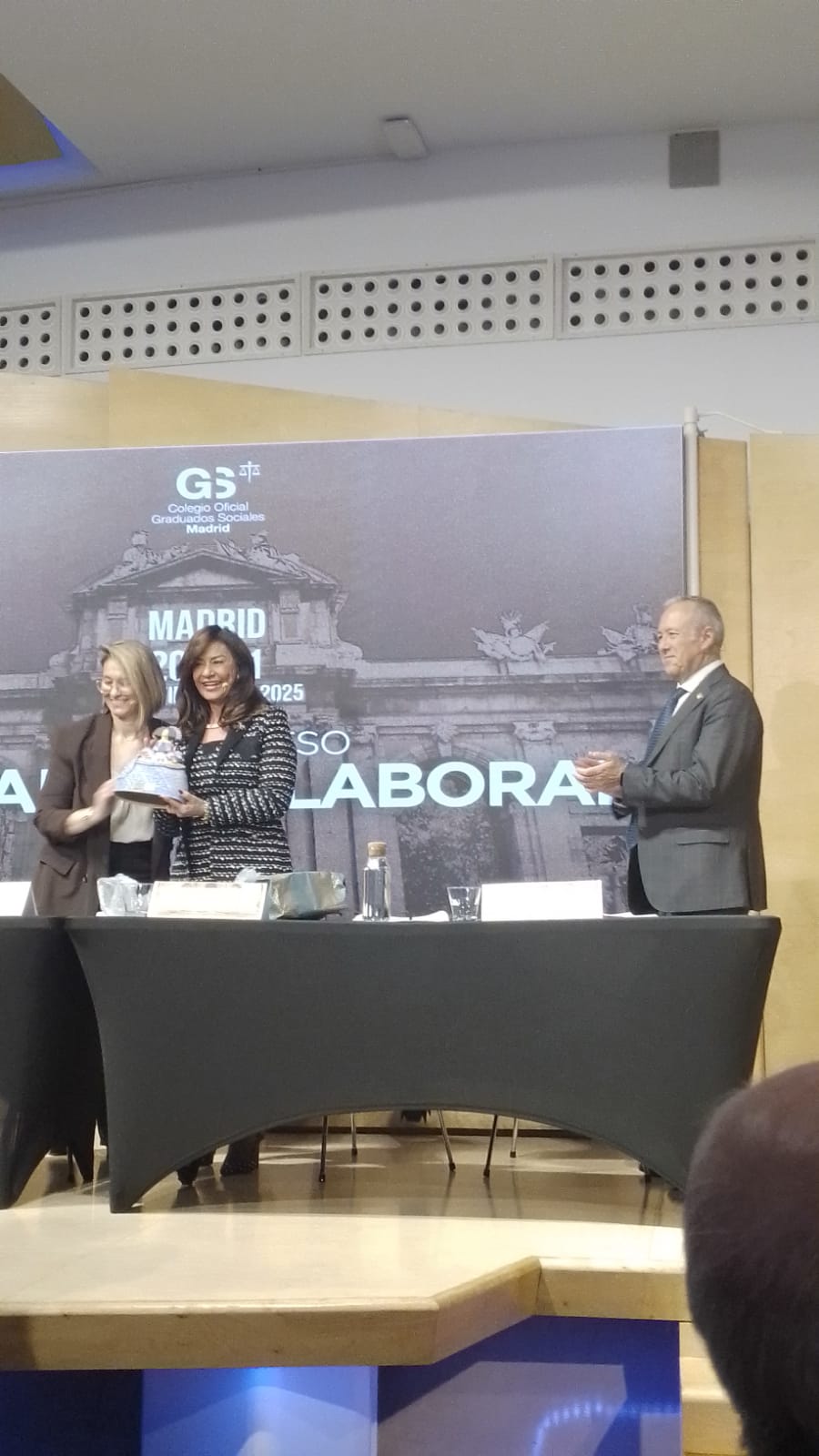
Fraternidad-Muprespa was present this Thursday, November 20, at the XIX Actualidad Laboral Congress and the XVI Meeting with Justice in the Social Order, organized by the Official College of Social Graduates of Madrid. The day was inaugurated by Teresa Silleras, president of the College of Social Graduates of Madrid, Manuel Rodríguez, vice president, and Ana María Orellana, Honorary President of the College and Judge of the Social Chamber of the Supreme Court.
Antonio Sempere gave the inaugural presentation in which he analyzed recent criminal jurisprudence on significant labor issues (workplace harassment, sexual harassment or the crime of endangering the health of workers, among others).
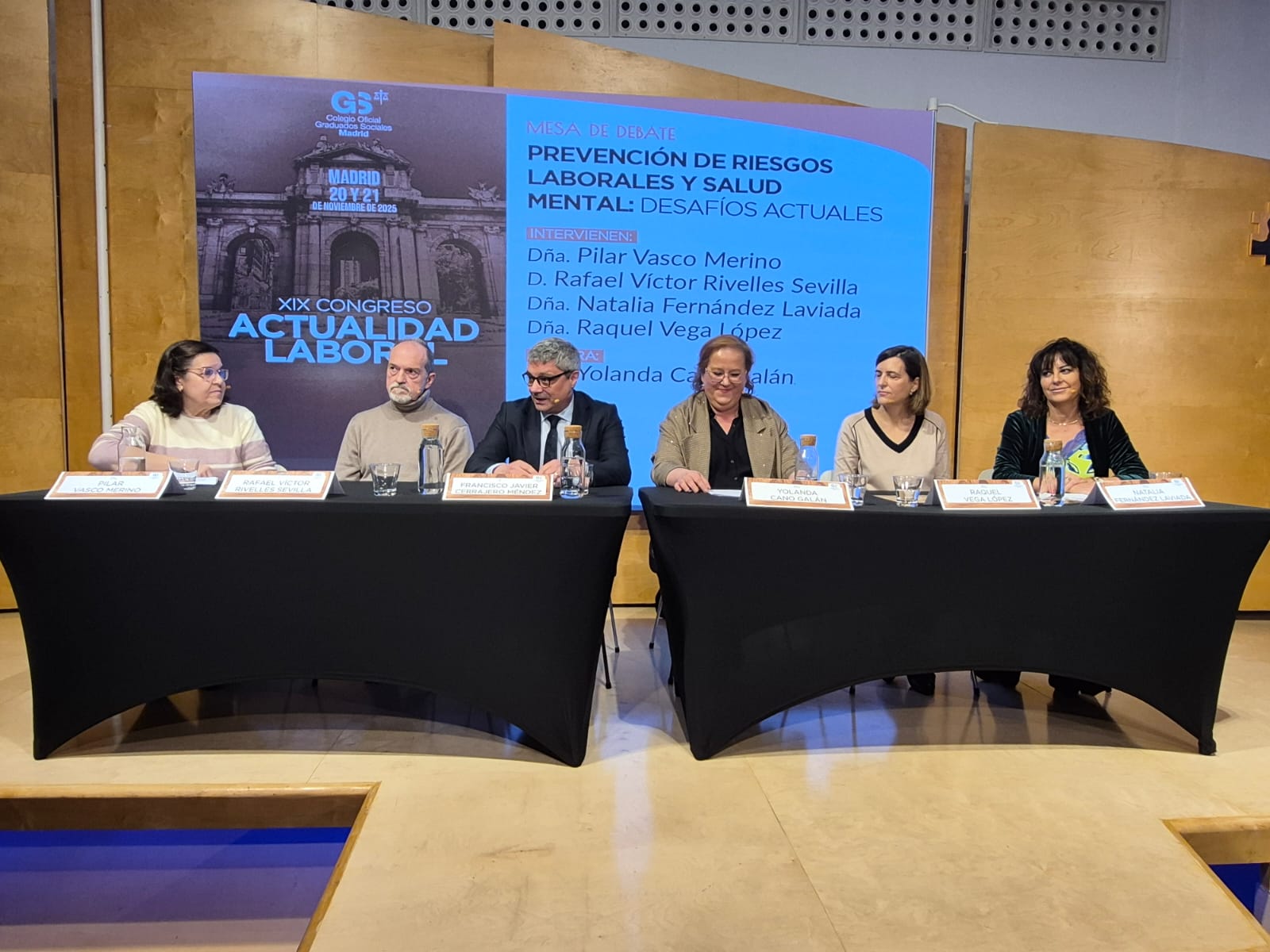
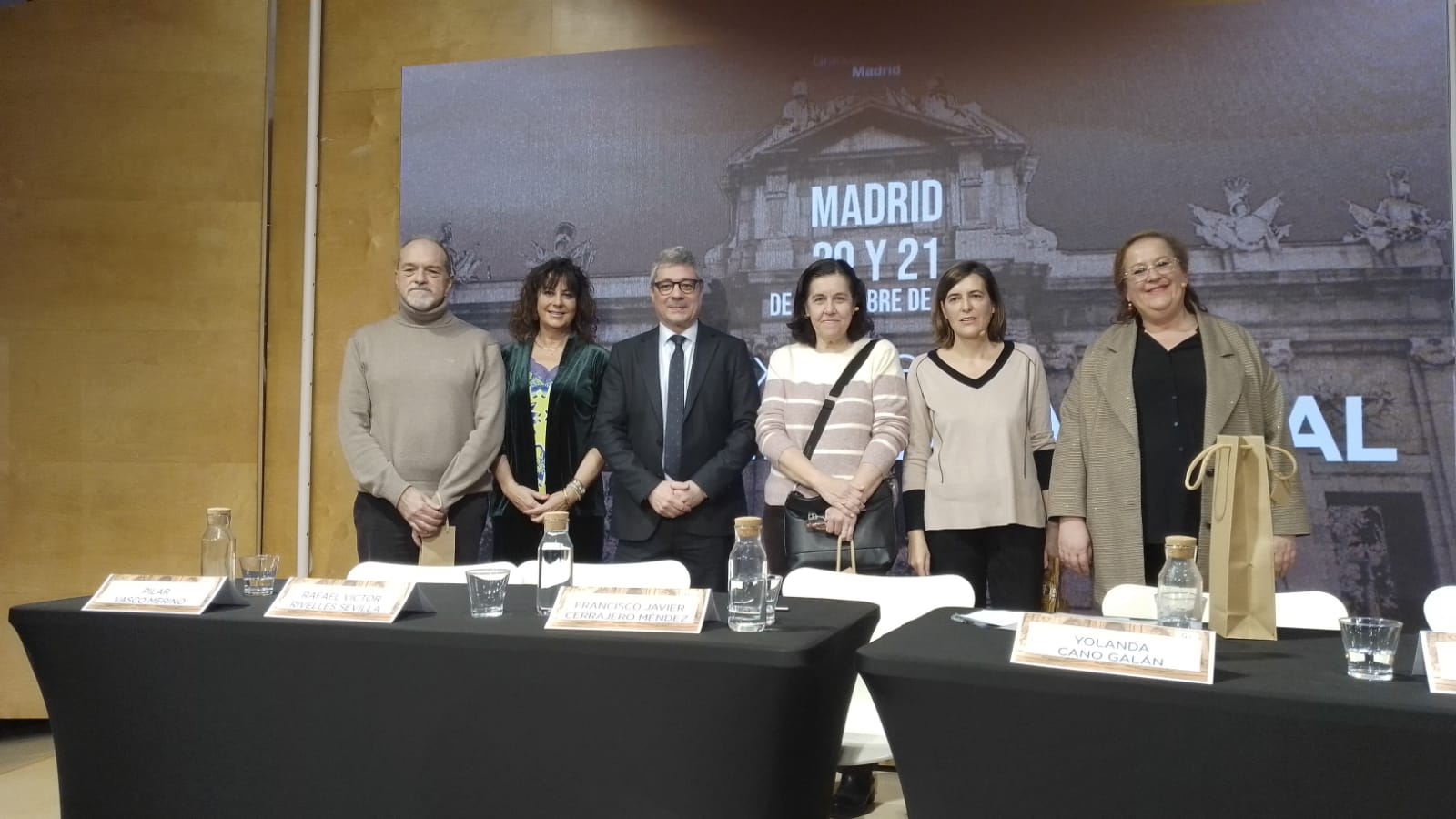
Representing the Mutua, Natalia Fernández Fundación Personas y Empresas - AUREN4, deputy director general of Prevention, Quality and Communication, participated in the debate table “Prevention of Occupational Risks and Mental Health: current challenges”, in which Pilar Vasco, primary care doctor, Rafael Víctor Rivelles, head of Section of the psychiatry service, also participated. from the La Paz Hospital, and Raquel Vega, head of the Psychosocial Risks Unit of the Regional Institute of Safety and Health at Work.
Fdez. Fundación Personas y Empresas - AUREN4 described the challenges faced by companies, mutual societies and administrations in a context marked by the 30th anniversary of the Occupational Risk Prevention Law and by the declaration, by the Council of Ministers, of 2026 as “Year of Safety and Health at Work”, underlining the importance of addressing psychological well-being in the work environment.
He noted that 15% of working-age adults have mood disorders or alterations at some point. Depression and anxiety generate productivity losses of one trillion euros annually . Dedicating 90,000 hours to work, almost a third of the time awake, it is key to pay attention to organizational well-being in our lives.
In Spain, 1.5 million workers do not go to work for a single day, which represents “an enormous cost: loss of GDP, saturation of the public health system, lower productivity and personal consequences ”. He also recalled that mutual insurance companies control temporary disability processes due to common contingencies, verifying the patient's condition, offering psychological and psychiatric support in cases of work accidents and proposing medical discharges after rigorous evaluations.
In the opinion of Fdez. Fundación Personas y Empresas - AUREN4, decent work can be a driver of mental health, providing meaning, recognition and stability. For which it must meet three conditions: be useful, connecting personal and business purpose, allow living with dignity and not harm physical and psychological integrity.
He also described as a “necessary challenge” talking about mental health in the company, something that is not a weakness, but a sample of preventive culture. He recalled that new forms of employment confront us with increasing psychosocial risks on which we must focus.
Another of the axes that focused their intervention was the prevention of occupational risks in the company. Although the large companies are making numerous advances, “in Spain, 99% are small companies and 95.7% are micro-SMEs, so the challenge is to transfer the preventive culture to them as well.”
Finally, Fdez. Fundación Personas y Empresas - AUREN4 emphasized that mental health is the result of well-being inside and outside of work . " In the workplace it translates into motivation, concentration, emotional balance and healthy relationships. Factors such as harassment, burnout, frustration, dysfunctional behaviors or digital hyperconnection show that we are not watertight compartments : the work and personal worlds are intertwined ", he concluded, adding that " the great challenge is to separate both worlds in a fair way, for the person and for the system. "