
Closing of the exhibition “Prevention Posters of the 20th Century” at the Sabero Museum (León)
After 22 days open to the public,
The event is part of the events organized by the Mutua within its VII Prevention Week, between April 22 and 29, which brings together various events around April 28 World Day for Safety and Health at Work. The Mutual Collaborator with Social Security shares with the AXA Foundation the work of disseminating risk prevention through this exhibition.
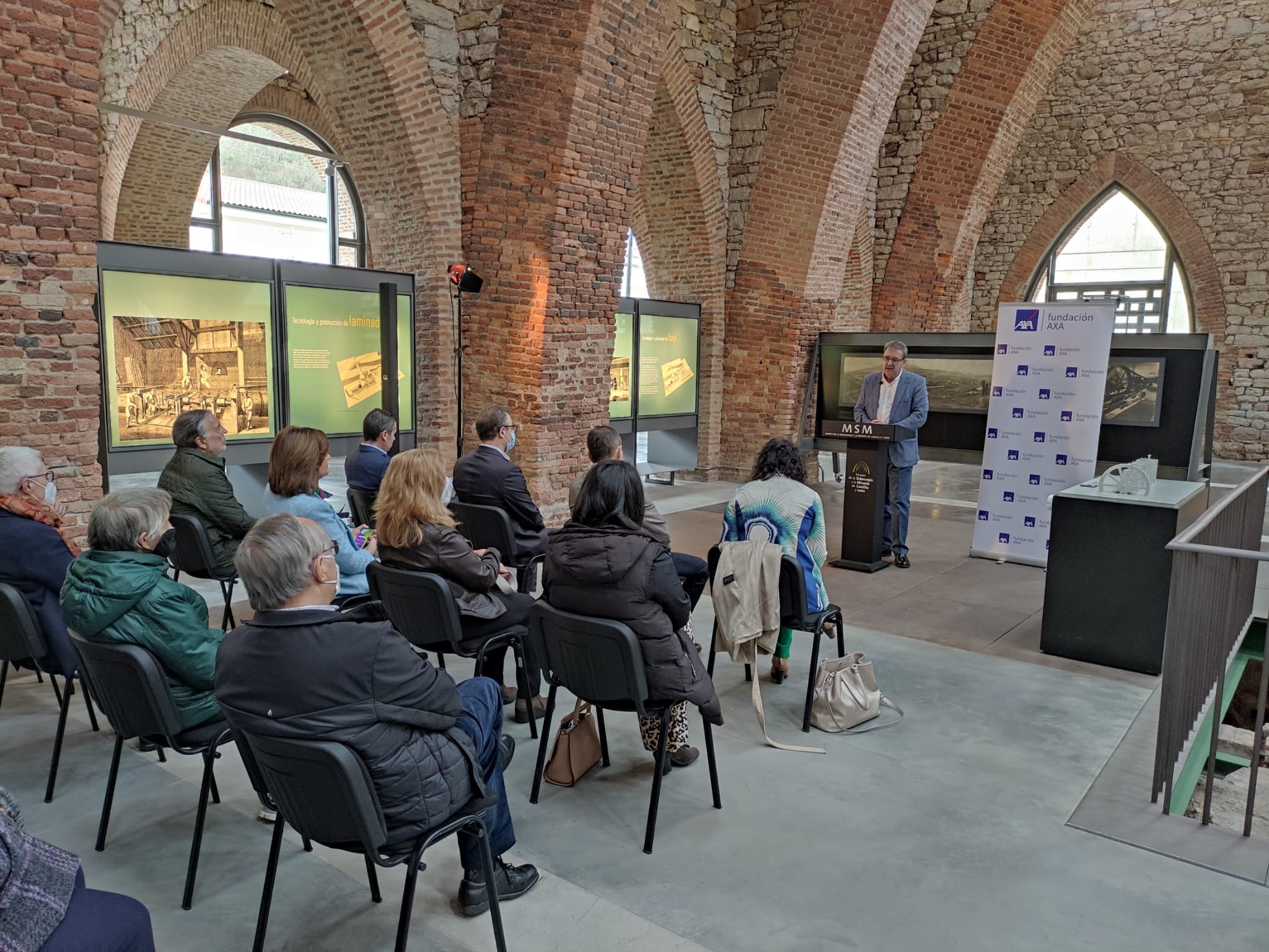
Francisco Javier García, mayor of the town of Sabero, where the Museum is located, welcomed the attendees to the event and recalled that the history of the town he governs is linked to the Hulleras de Sabero company, which also historically used graphic images to convey to workers the importance of workplace safety.
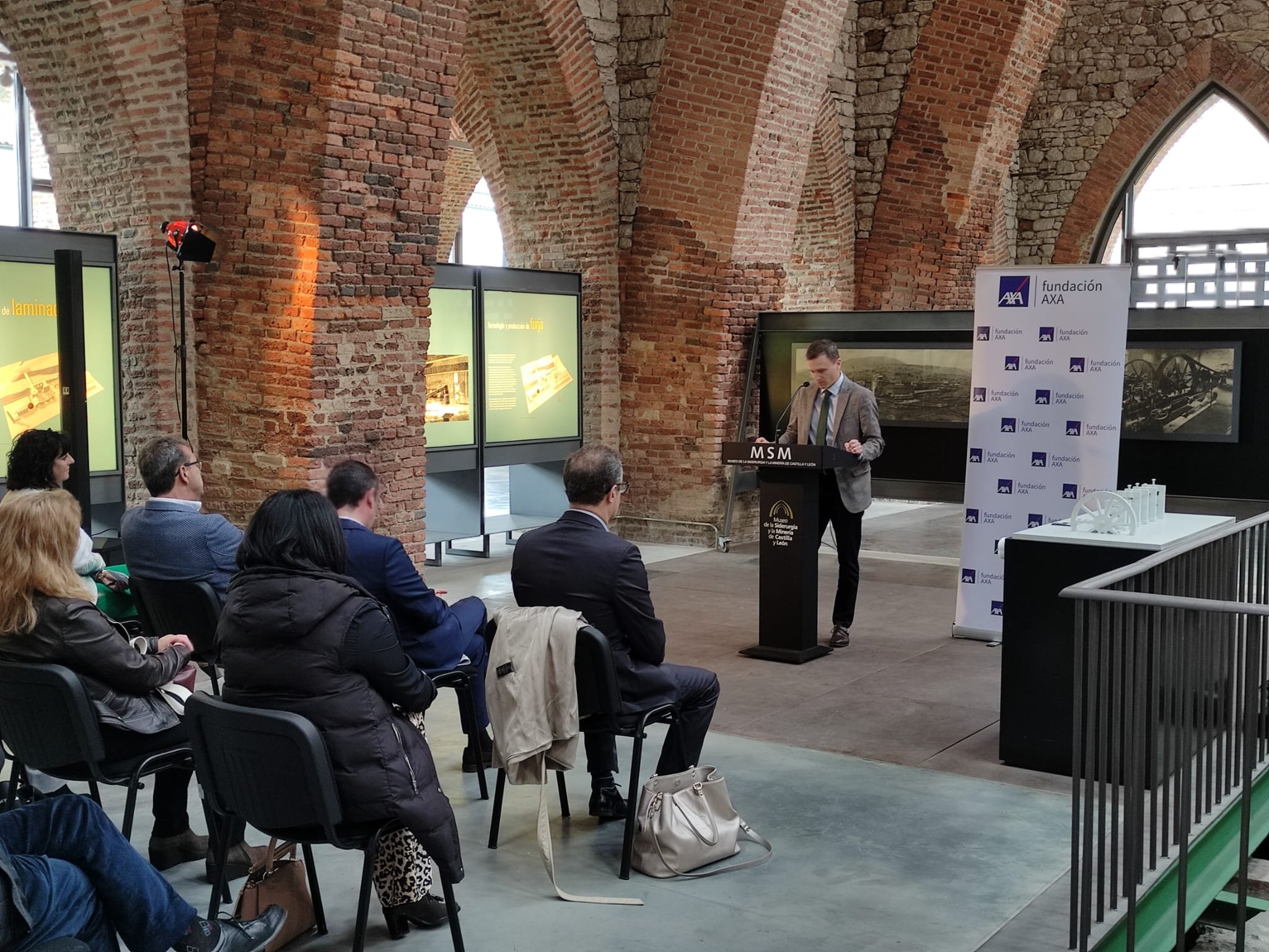
Roberto Fernandez, director of the Museum of Steel and Mining of Castilla y León, presented the event and was pleased to have been able to tell the headquarters of the center he directs about this exhibition of posters “because they are authentic gems.”
Natalia Fdez. Laviada, deputy general director of Prevention, Quality and Communication of
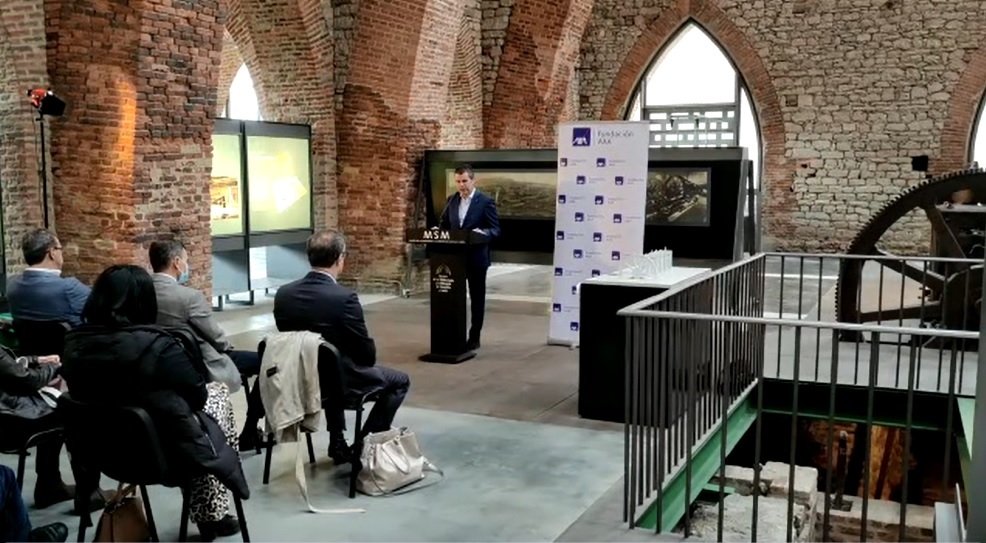
He then spoke Alberto Perez, director of Business Development and Marketing of AXA Seguros in the Western Territory of AXA, who pointed out that "in Spain, approximately two people die on average per day due to work accidents, figures that we could undoubtedly reduce with prevention measures. In this effort to promote and disseminate both the values of the culture of prevention and the technical innovations in this field, the AXA Foundation works hand in hand with Fraternidad-Muprespa."
Carlos Luis Iglesias, head of the León Labor Inspection, highlighted the importance of “this type of act, which contributes to raising awareness and disseminating the importance of preventing occupational risks.”
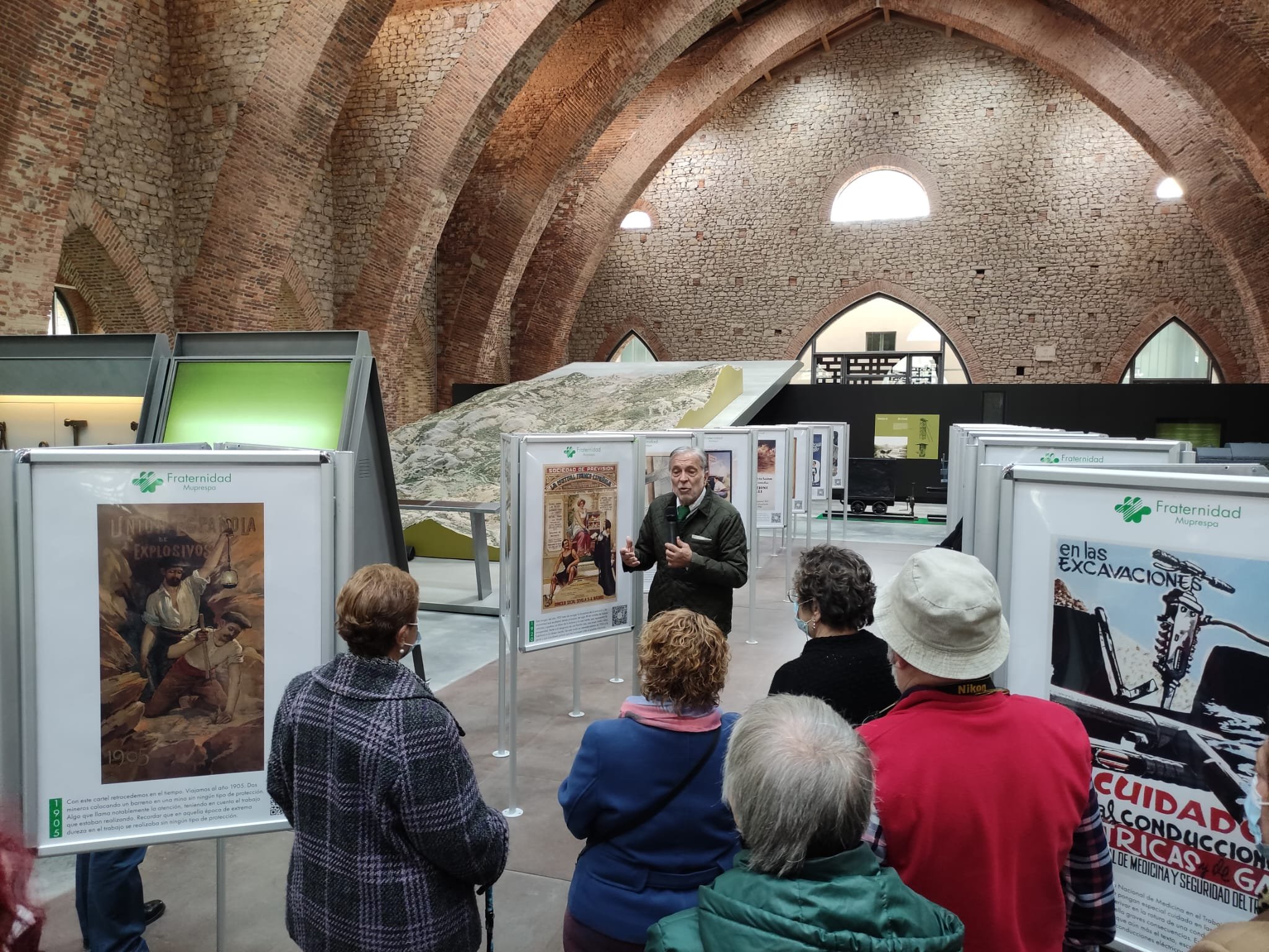
After the interventions,Antonio José Millán, director of the AXA Chair of Prevention, gave a guided tour to publicize the peculiarities of the posters on display.
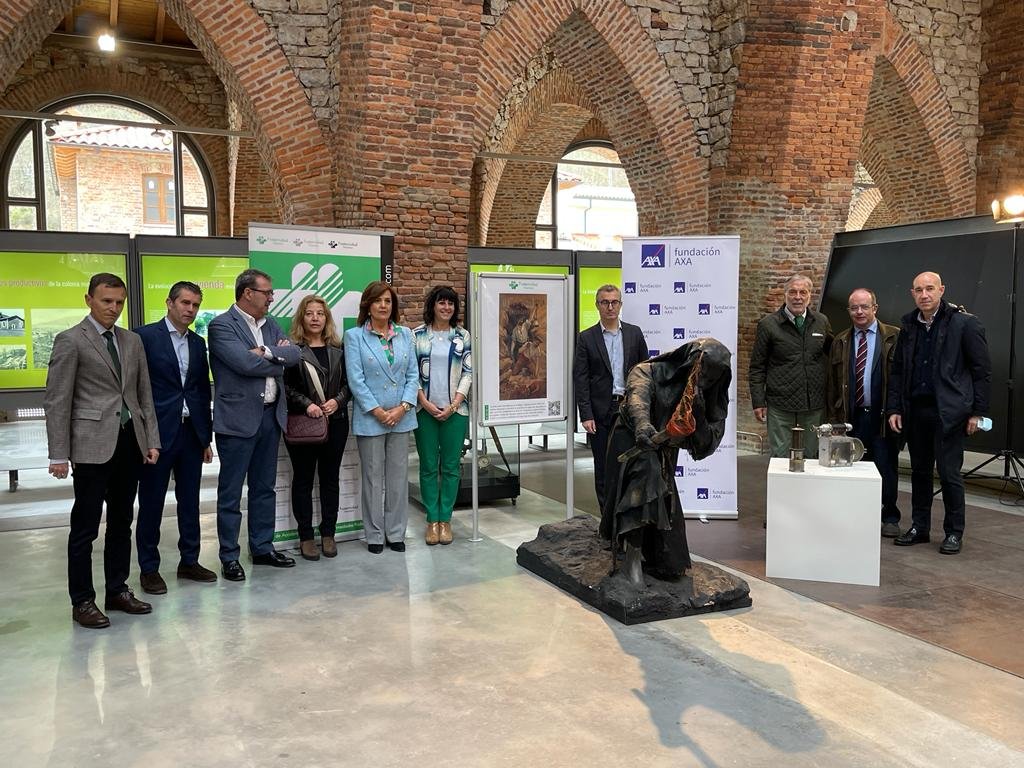
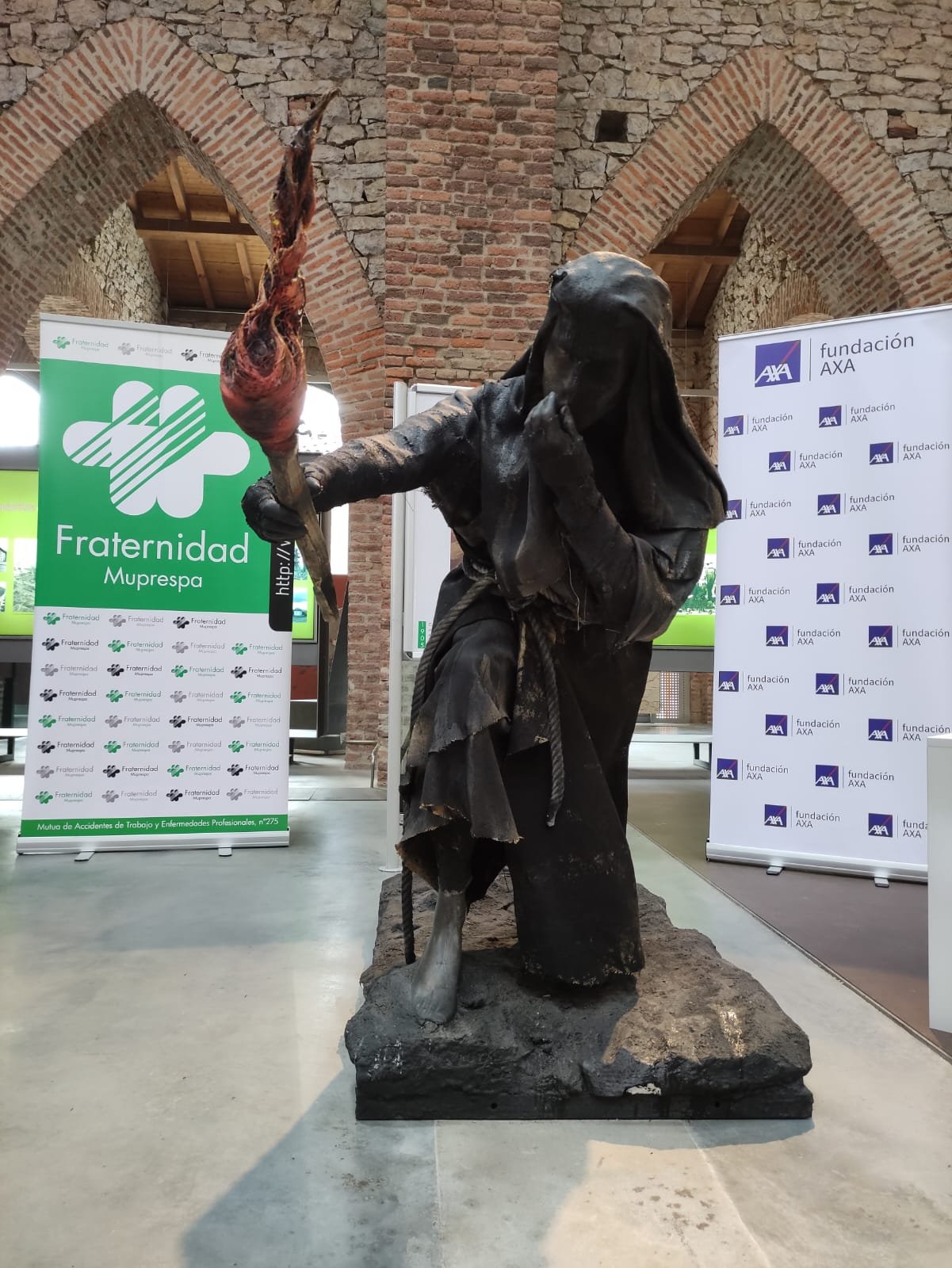
The figure of the penitent
X PROTXe99f2c79 Wrapped in a wet burlap tunic and with a hood that covered his entire face, except for his eyes, he carried a long lit pole at its end, intended to explode the firedamp accumulated on the roof.
Legend stated that the first 'penitents' were prisoners who redeemed part of their sentences. The reality is that they were elderly miners who thus found another way of livelihood, bohemian or adventurous people and, for the most part, experienced miners who voluntarily and in a few hours of work, multiplied their salary by carrying out this work. His figure was banned during the second half of the 19th century in most European countries.
This is the exhibition of Prevention Posters of the 20th century
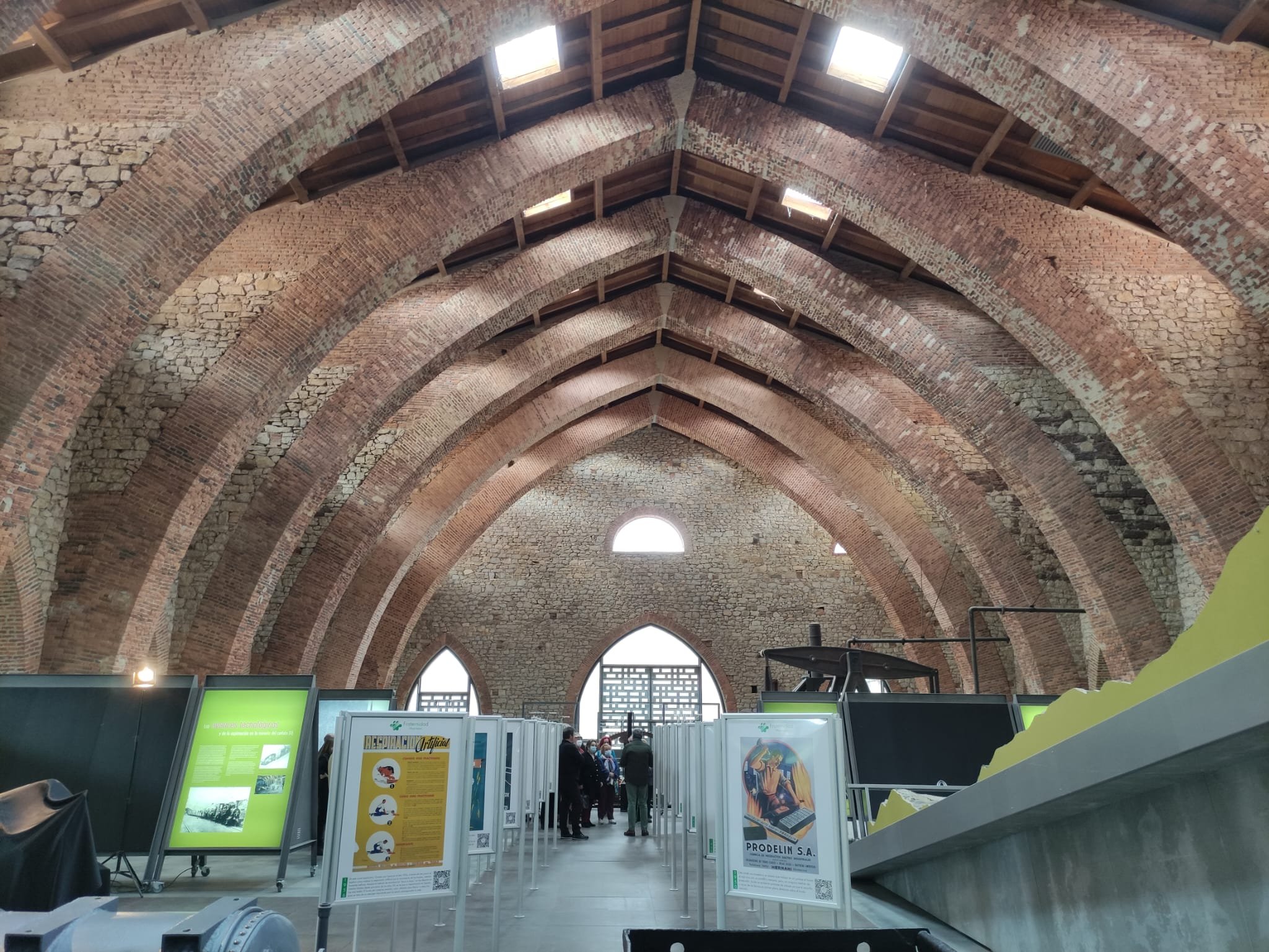
The exhibition consists of 48 reproductions of posters dated from 1905 to the 70s, when radio and television were consolidated as means to convey advertising messages. Belonging to the La Retrografia collection, it contains posters alluding to the three vertices of the triangle of occupational accidents: insurance, prevention, and medical and economic compensation for the injured. Using QR codes, the visitor can access a speech that explains in greater detail the artistic characteristics of each piece, as well as its social value.
The images address different situations, agricultural, industrial, or mining, as well as the various risks derived from each of them: chemicals, fires, muscle injuries due to overload, poisoning or mental fatigue, and they do so by evidencing currents of art deco posterism, realism or constructivism.