II technical conference on nanotechnologies held in Jaén
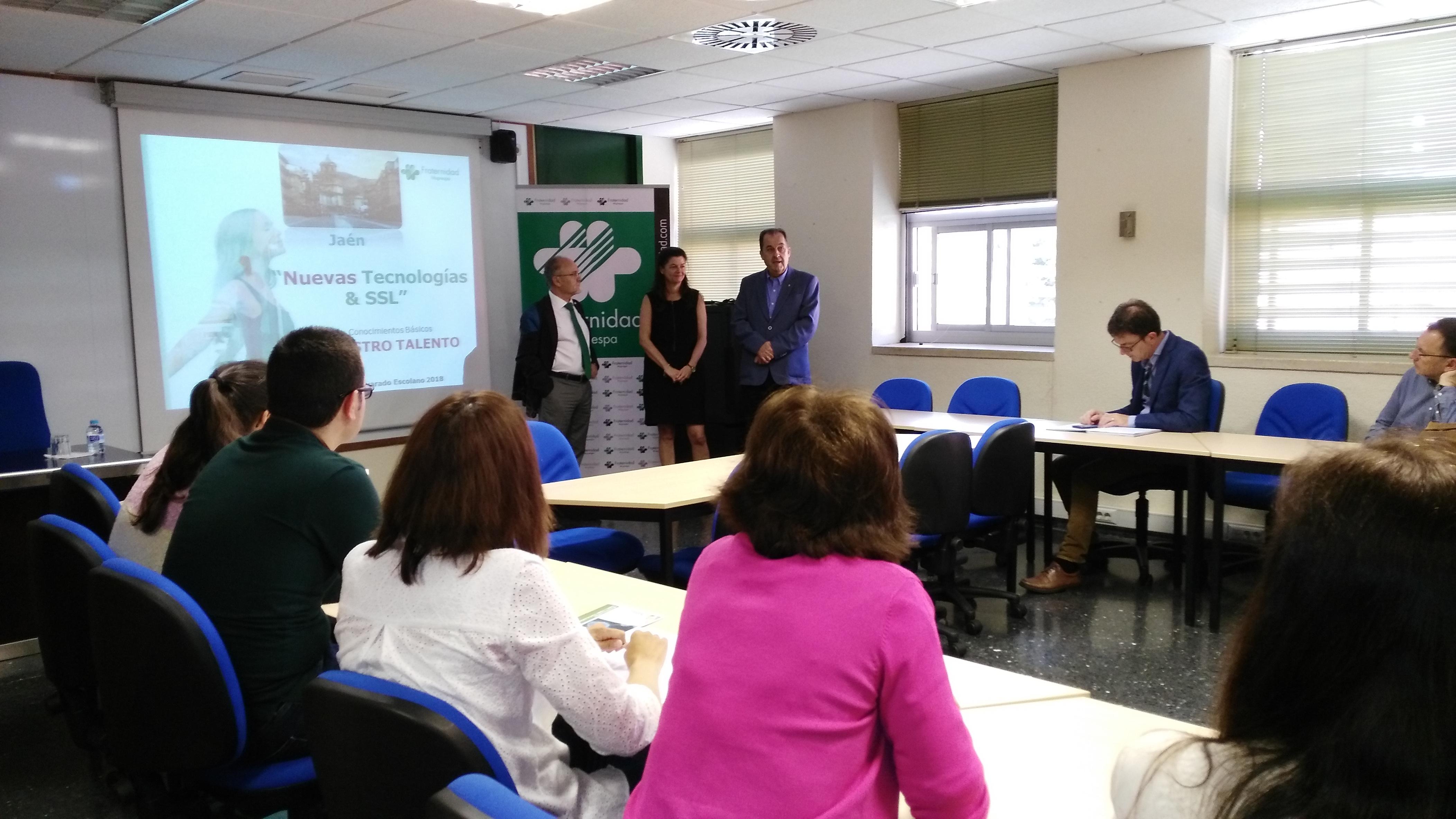
He Occupational Risk Prevention Center from Jaen On May 31, it held its second technical conference on the measures and developments that currently exist in terms of occupational health and safety.
Our most sincere thanks to Jose Manuel Lopez of the industrialization department and responsible for ORP of the ANDALTEC R&D&i Foundation(a pioneer company in innovation projects on nanomaterials and nanotechnologies with extensive experience in this type of projects) for sharing the good preventive practices that its working group has implemented, which has been expressly created to ensure safety during the manipulations and laboratory tests carried out with this type of materials on a billionth scale.
We must take into account that nanotechnology was considered by the European Commission as an Essential Enabling Technology-KET. The main essential enabling technologies are currently six: microelectronics and nanoelectronics, photonics, nanotechnology, biotechnology, advanced materials and advanced manufacturing systems. Many innovative products incorporate several of these technologies at the same time, either as individual elements or as integrated elements. Four of these TFE are included in the Horizon 2020 structure and among them are nanotechnology.
By 2020, nanotechnologies will be fully integrated into daily life, providing benefits for consumers, improved quality of life and health, sustainable development and a potential source of new industrial solutions that did not exist previously and that will mean improved productivity and greater efficiency in the use of resources.
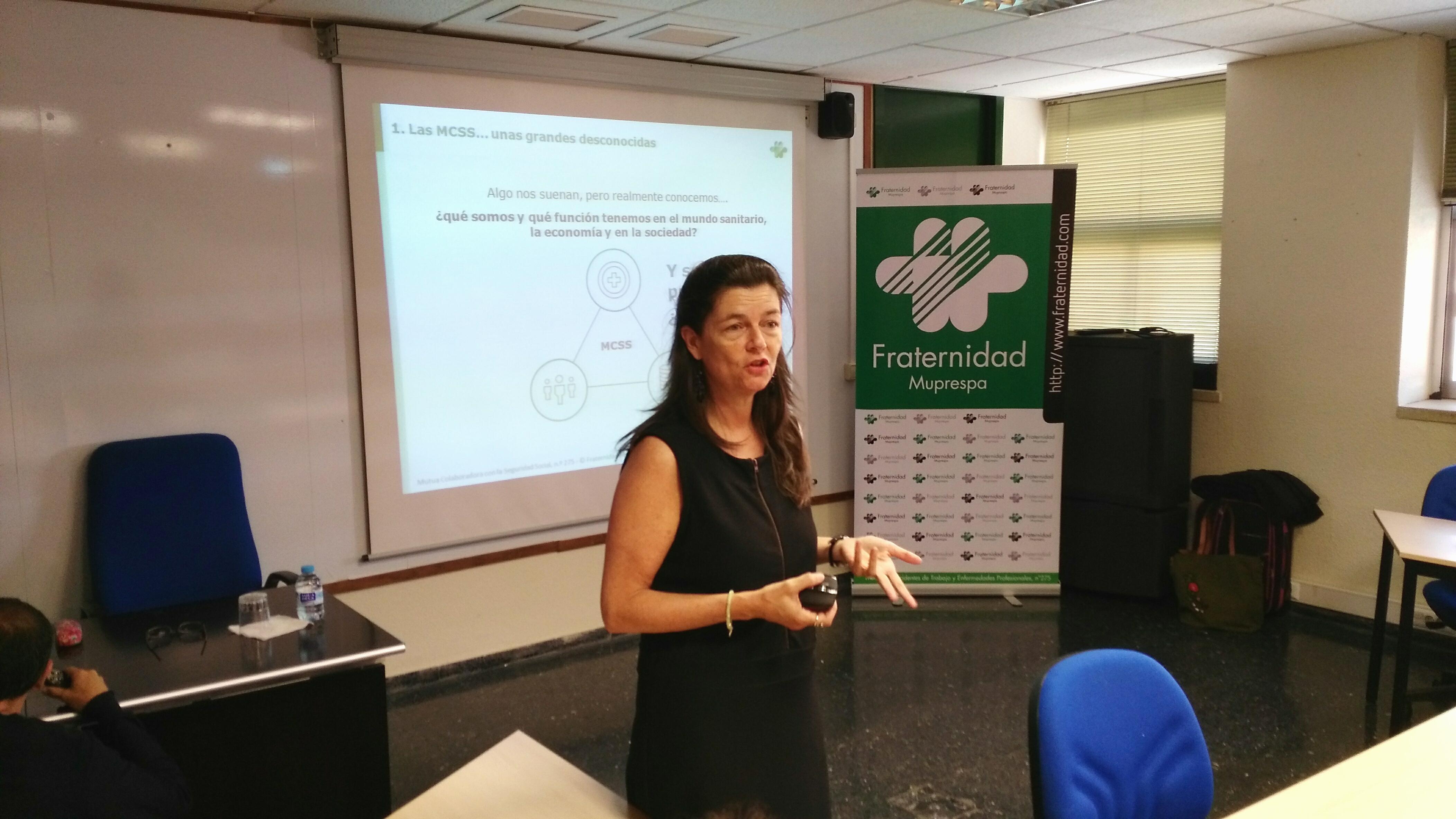
It is essential to collect and share as much preventative information as possible about the materials, the processes involved and the potentially exposed workers. Preventive actions in companies must be guided by the indications provided by institutions or organizations of recognized prestige such as the Occupational Risk Prevention Center, which on this occasion has once again counted on Carmen Alvarado, Technical coordinator of the general subdirectorate of Prevention, quality and Communication of Fraternidad-Muprespa.
Four important developments that occurred since June 2017 were highlighted, developments that have been received by attendees with great expectations, since thanks to them, the existing dispersion regarding SSL both in the field of new technologies and especially on nanomaterials is becoming smaller and will allow them to manage this type of risks with easy-to-use tools and applications. The three different ways of carrying out risk assessments, the most effective protective equipment necessary and the recommendations that currently exist in this regard were analyzed.
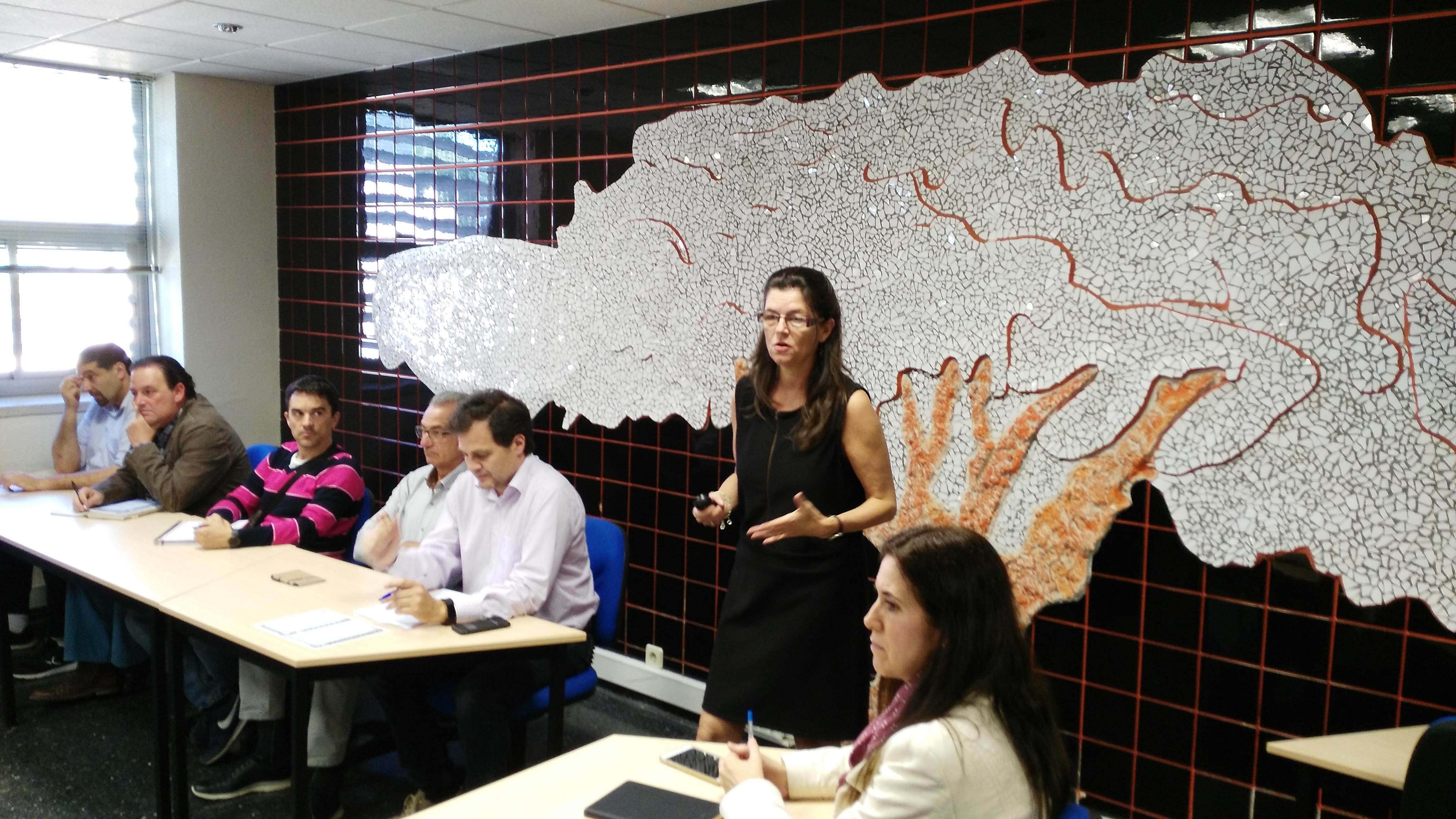
We also appreciate the great interaction of the attendees, members of public and private companies that are already facing this type of risks and whose doubts, difficulties or good practices were resolved and reflected on during more than an hour of extensive, pleasantly productive technical debate.