Fraternidad-Muprespa and its architectural jewels
At Fraternidad-Muprespa we want to highlight the importance we give to the conservation and maintenance of buildings that are part of our Historical Heritage and that, due to their architectural or monumental importance, are of general interest to society.
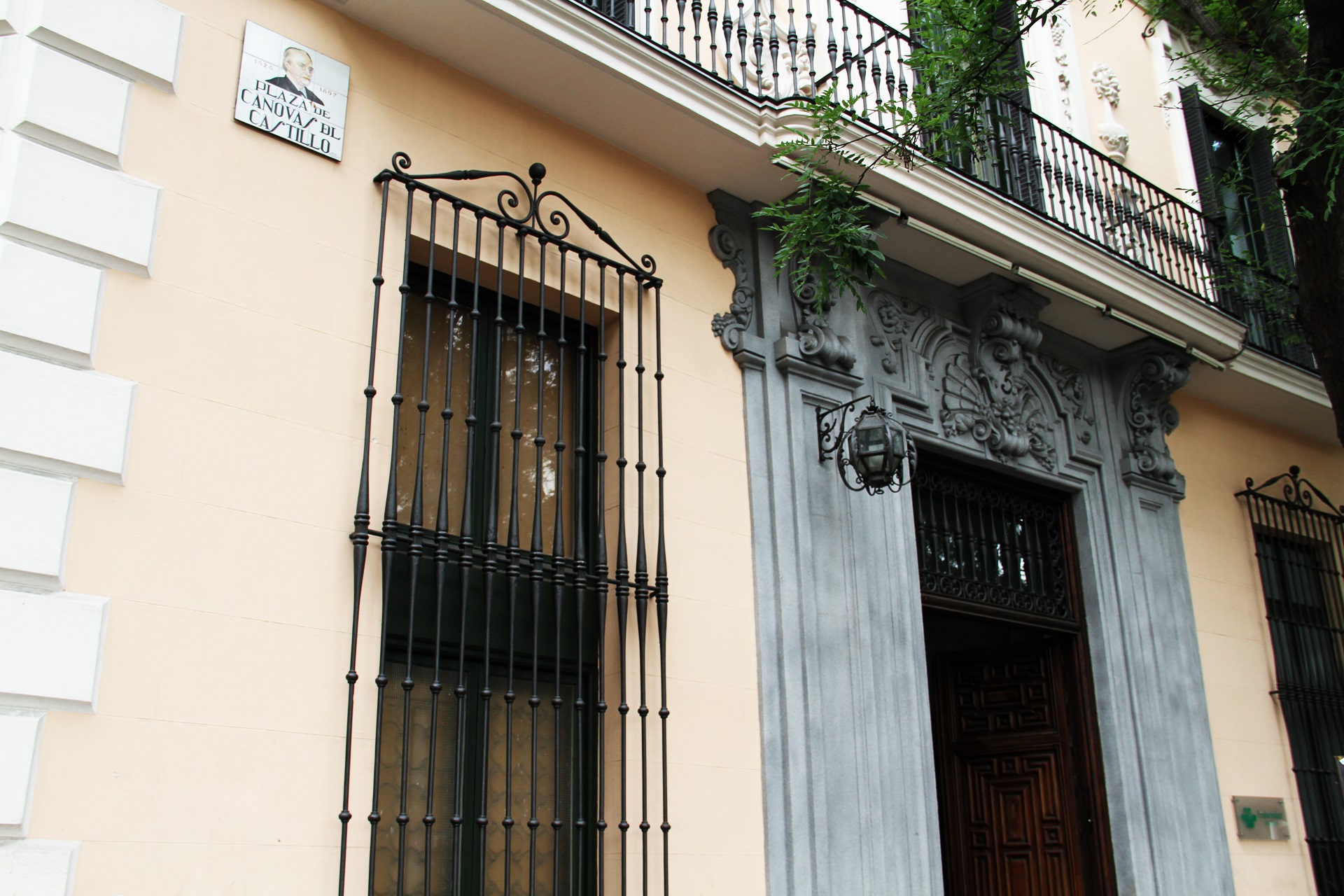
He mansion of the Count of Casal, in the Plaza de Cánovas del Castillo 3, has been the headquarters of the Mutua since 1978, when the count's heirs sold the mansion to La Fraternidad. The neoclassical style building from the beginning of the 20th century consisted of three floors with a mezzanine between the ground floor and the first floor and had a central patio to which the different rooms opened. In 1943 the Count of Casal carried out a renovation of the building, adding one more floor.
After its acquisition by Mutua, a major renovation was undertaken. The structure was renovated and the façade was plastered. The central patio was also removed and a new floor was built, as it can be seen today. It is a protected building that It has interesting elements such as friezes, coat of arms and lanterns, which are preserved intact today. The façade was carefully restored, maintaining the original elements and providing the balconies and balustrades with all the safety guarantees for their conservation.
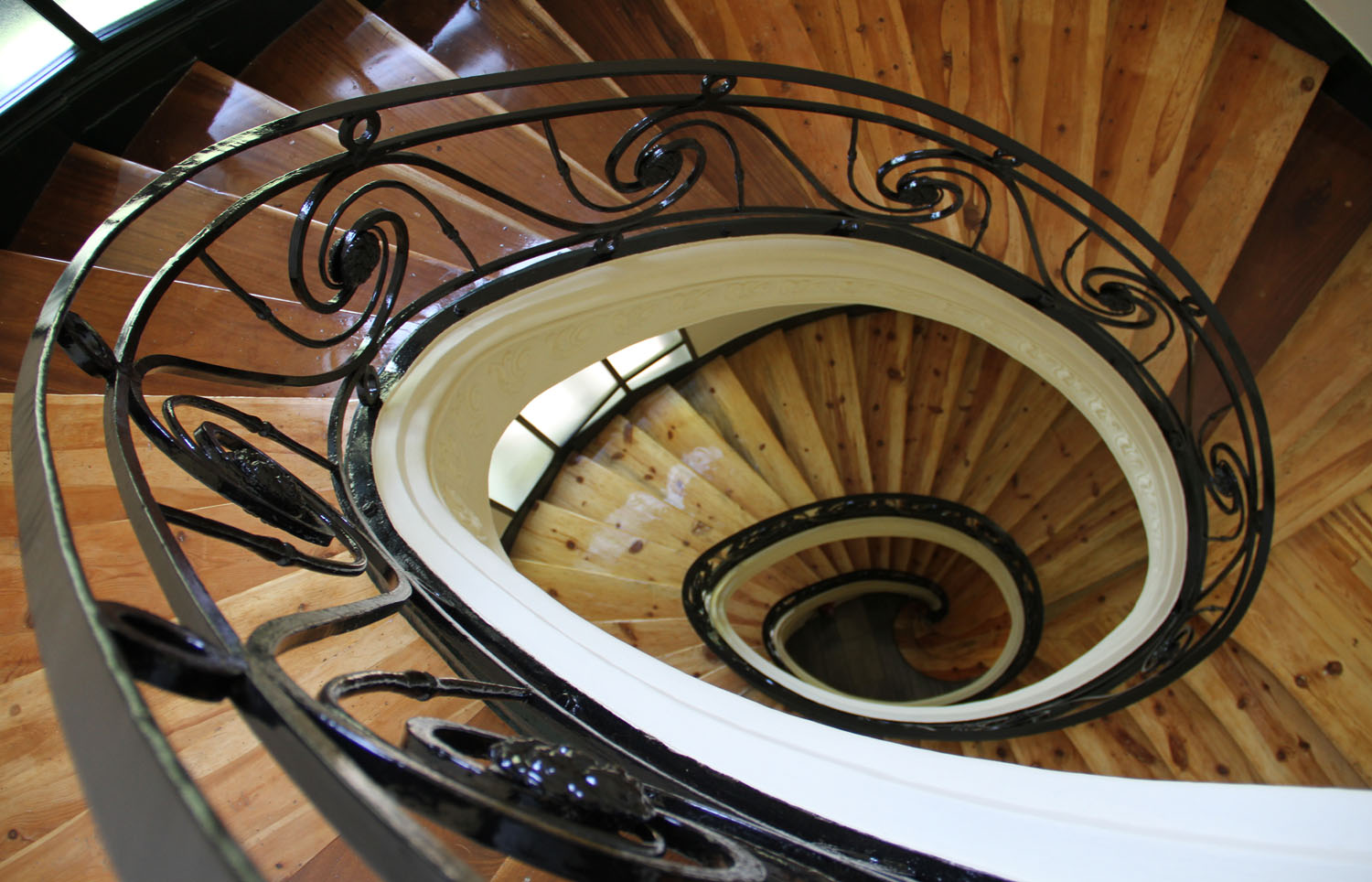
Inside, and despite the modernization works, an original element from the time of its construction has always been respected: the elliptical spiral staircase that gives access from the ground floor to all levels of the building. The most illustrious “neighbors” of the building are other emblematic Madrid buildings, such as the Prado Museum, the Palace Hotel or the Neptune Fountain, the unofficial name of the square in which it is located.
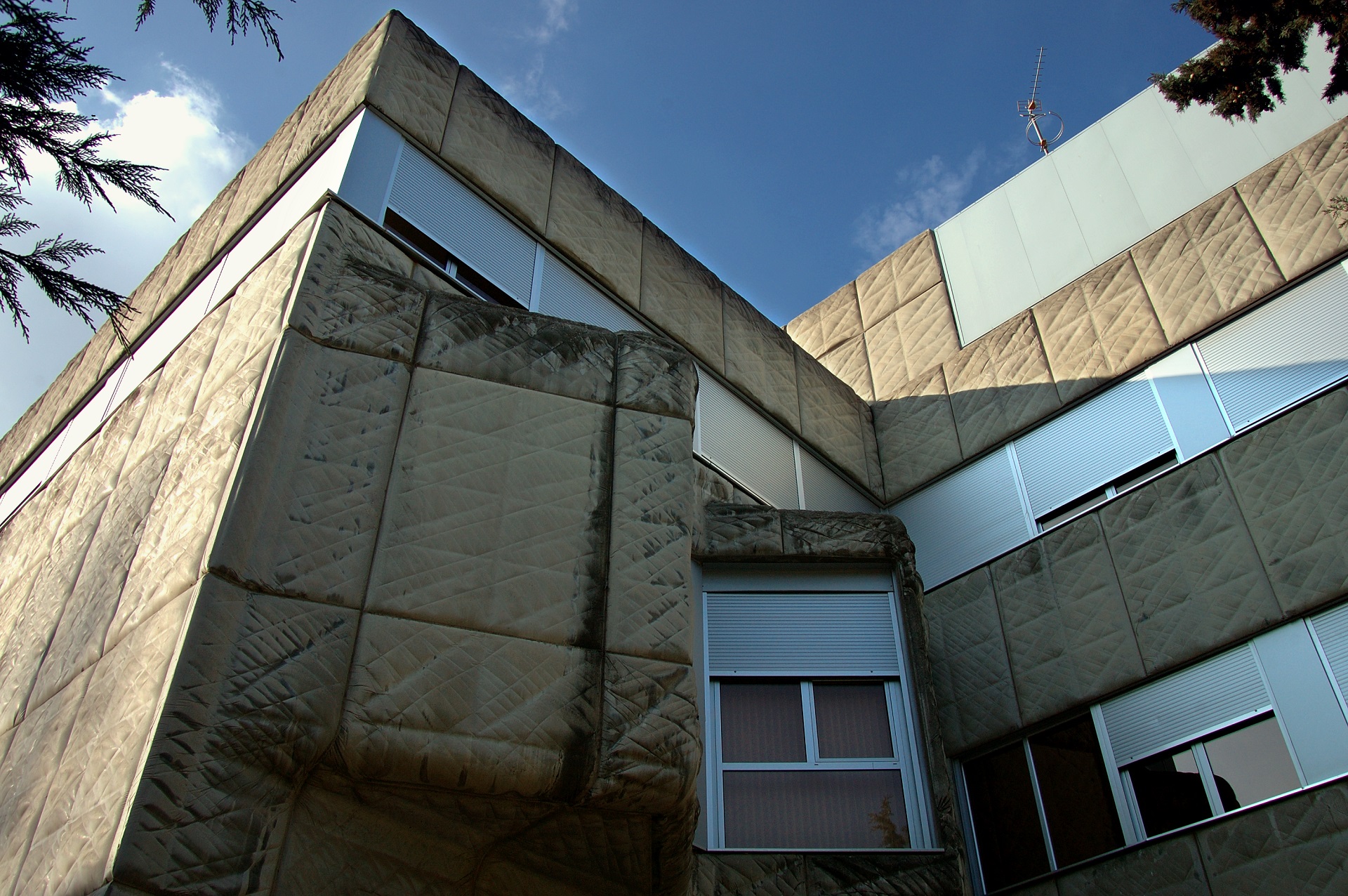
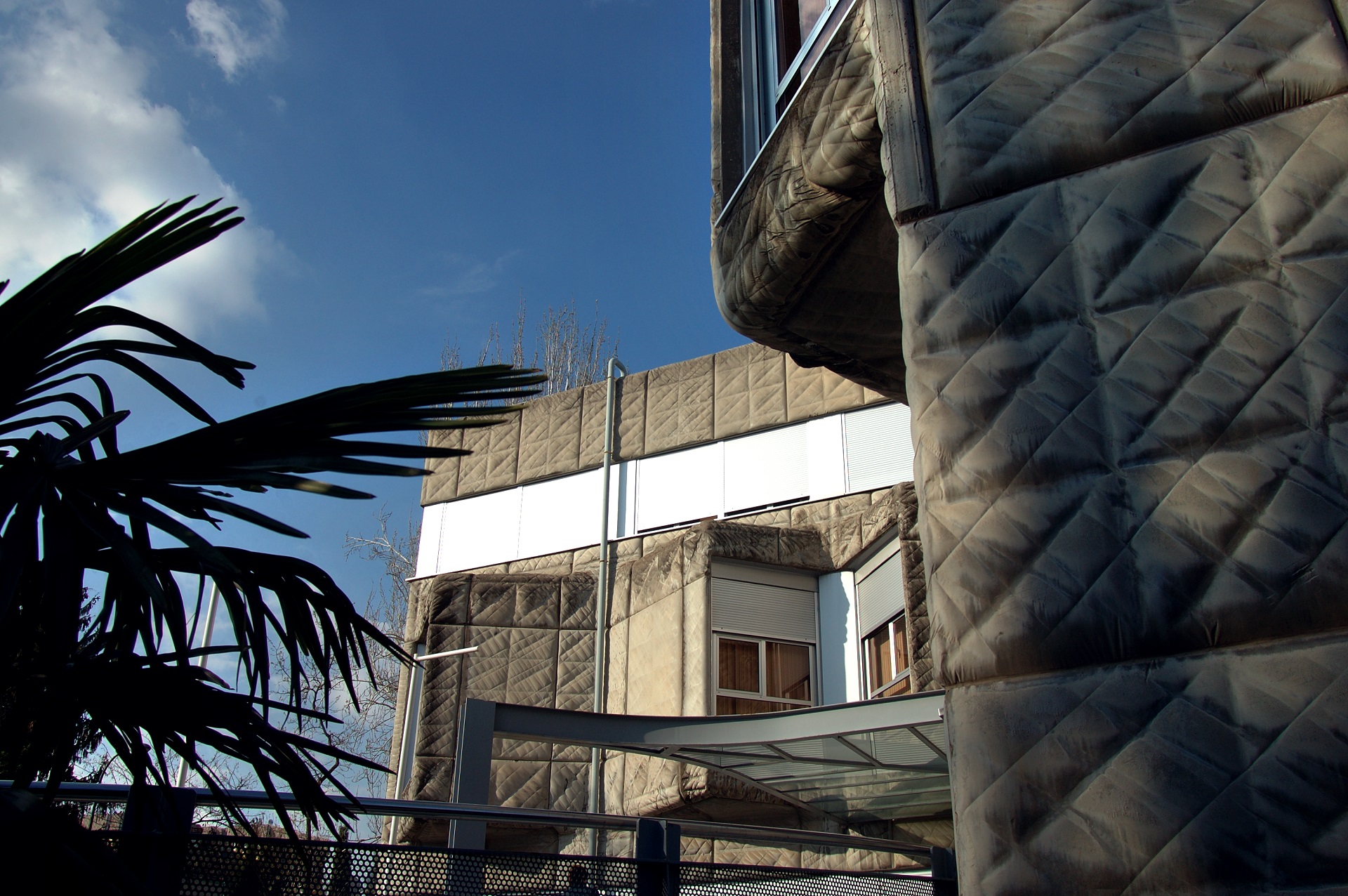
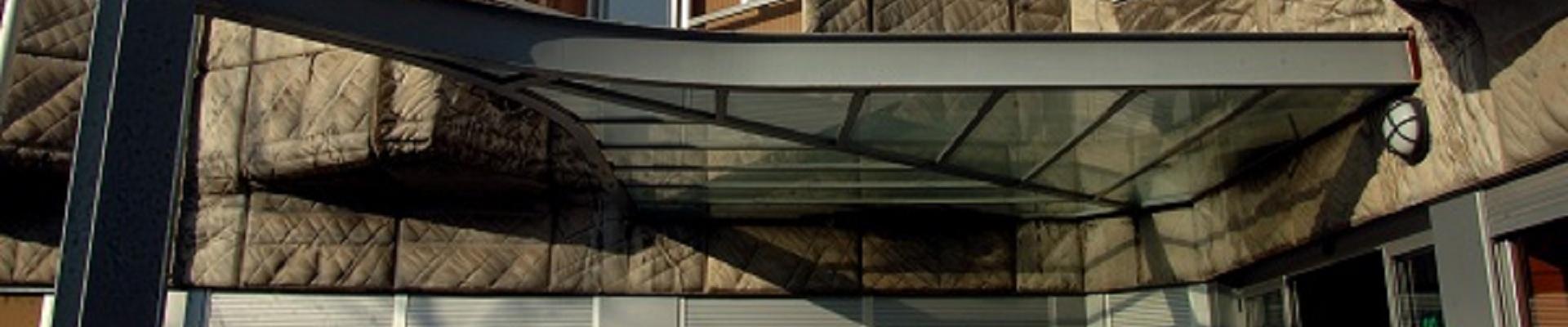
He Madre de Dios care center this located at number 42 of the Madrid street of the same name. It is the work of the architect Miguel Fisac(1913-2006). The center of attention of Madre de Dios was the Mutual Hospital until the opening, in April 2019, of the Fraternidad-Muprespa Habana Hospital.
In the construction of this building, in 1969, Fisac used for the first time formwork technique with plastics and ropes, which gives the concrete a soft appearance. Fisac himself patented this technique. Author, among others, of such emblematic buildings in Madrid as La Pagoda, the IBM Building on Paseo de la Castellana or the central building of the CSIC, Fisac received numerous recognitions for his work, such as the Gold Medal of the Superior Council of Colleges of Architecture in 1994, the Antonio Camuñas Prize in 1997 and the National Architecture Prize in 2003.