

Esteban Mate analyzes in Oviedo the keys to absenteeism and its impact on the company
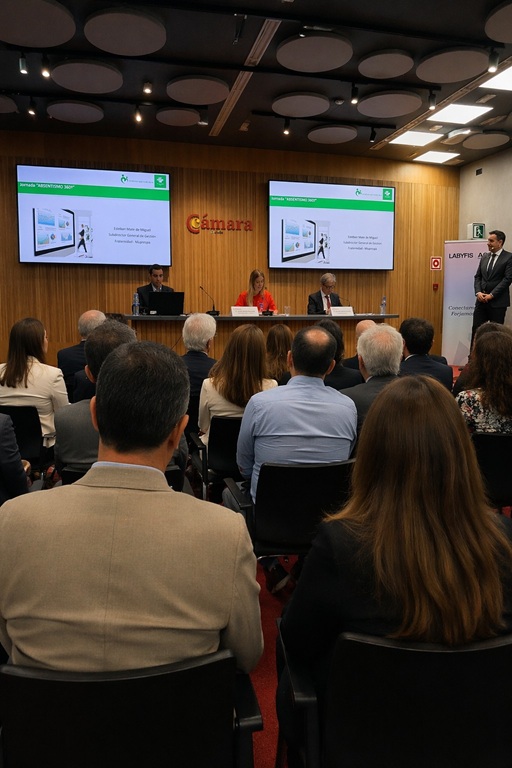
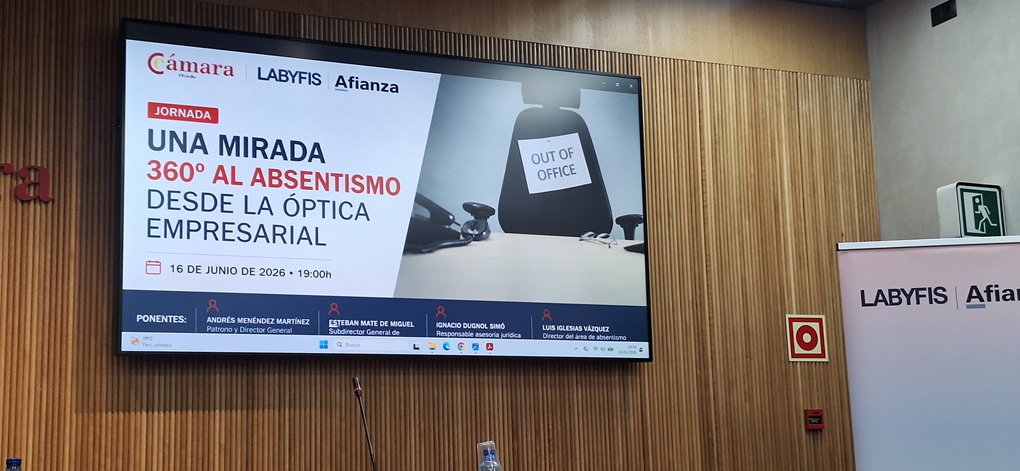
Fraternidad-Muprespa was present last Tuesday at a conference organized by the Oviedo Chamber of Commerce in collaboration with Labyfis/Afianza. Esteban Mate, Deputy Director General of Management of the Mutua, participated in the meeting “A 360º look at absenteeism from a business perspective” with the presentation "The management and control of Temporary Disability by the Mutual Fund."
In his presentation, Mate offered a comprehensive vision of the factors that explain the growth of absenteeism and the tools available to reduce it. His presentation was divided into three blocks:influencing factors, what the mutual does y what the company can do.
In it socioeconomic level, showed how the prevalence of absenteeism evolves in parallel to GDP per capita, with a sustained increase since 2013. It also highlighted the impact of work shifts, (the nocturnal ones concentrate higher rates), and the effect of the healthcare waiting times, exceeding one hundred days in some recent years, both elements that determine the duration of the sick leave. Population aging and the increase in chronic pathologies after the age of 50 complete this scenario.
In it business field, the most frequent pathologies include anxiety disorders, with average durations of sick leave greater than 160 days, musculoskeletal disorders and cervical problems. Added to this are organizational factors such as excessive workload, unmet expectations or conciliation difficulties.
In the plane staff, the clinical reviews of the mutual insurance company reflect that the highest incidence of withdrawals has its origin in personal situations, such as bereavements, romantic breakups or family problems.
Mate detailed the role of Fraternidad-Muprespa in the management of temporary disability, which is supported by control and monitoring acts, medical examinations and discharge proposals aimed at reducing the duration of the processes, which stands at an average of 60 days.
“We see in consultation 60% of the workers who end up having IT in the seven days following the start of the leave and we try to act in those cases in which they have a musculoskeletal pathology or a mild mental pathology.”, he stated.
The final block focused on the Actions Organizations Can Take, from targeted health campaigns to emotional support measures and flexible hours. In relation to the economic impact of absenteeism, he stated that a company with 100 workers with 5.5% absenteeism faces an annual cost of 90,000 euros, and up to 8 00,000 euros for one with 1,000 employees on staff.
The presentation concluded with graphs that show how since 2012 the percentage of agreements that have complemented the common contingency has progressed, as well as the percentage of agreements that have introduced salary clauses on absenteeism.
Also participating in the day were Andrés Menendez, General Director of Staffing at Randstad Spain, who analyzed the strong impact of absenteeism at the national level and in the Principality of Asturias, providing examples of good practices implemented in companies for its control and reduction;Ignacio Dugnol, head of Legal Advice at Labyfis-Afianza, who presented the legal perspective of absenteeism, delving into the associated legal risks and the tools to avoid fraud in IT; and Luis Iglesias, director of the Absenteeism Area of Quirón Prevention, who presented various business strategies to reduce the impact of absenteeism, highlighting the need to have structured protocols.