
Isolation rooms, a friendly 'separation'
“If China sneezes, the whole world catches a cold.” We have all heard this expression at some point, used as a metaphorical Eastern proverb, to say that the world economy depends on the state of the Asian giant's economy. This month, the metaphorical has given way to the literal and the appearance of the coronavirus in the city of Wuhan has already reached, through globalization, several parts of the planet.
Since the beginning of the outbreak until today, and according to data from the Ministry of Health, 6,060 cases have been confirmed, 5,974 in China and the rest, 86, in 14 other countries. As of January 28, the last data update by the Ministry of Health, there are 1,239 cases in serious condition and 132 people have died since the beginning of the outbreak.
The treatment requires hospitalization in an isolation room, rooms that Spanish law requires to be built in hospitals in our country. In this article we are going to explain the special characteristics of these rooms, which not only help patients with respiratory problems but also prevent infections of various kinds.
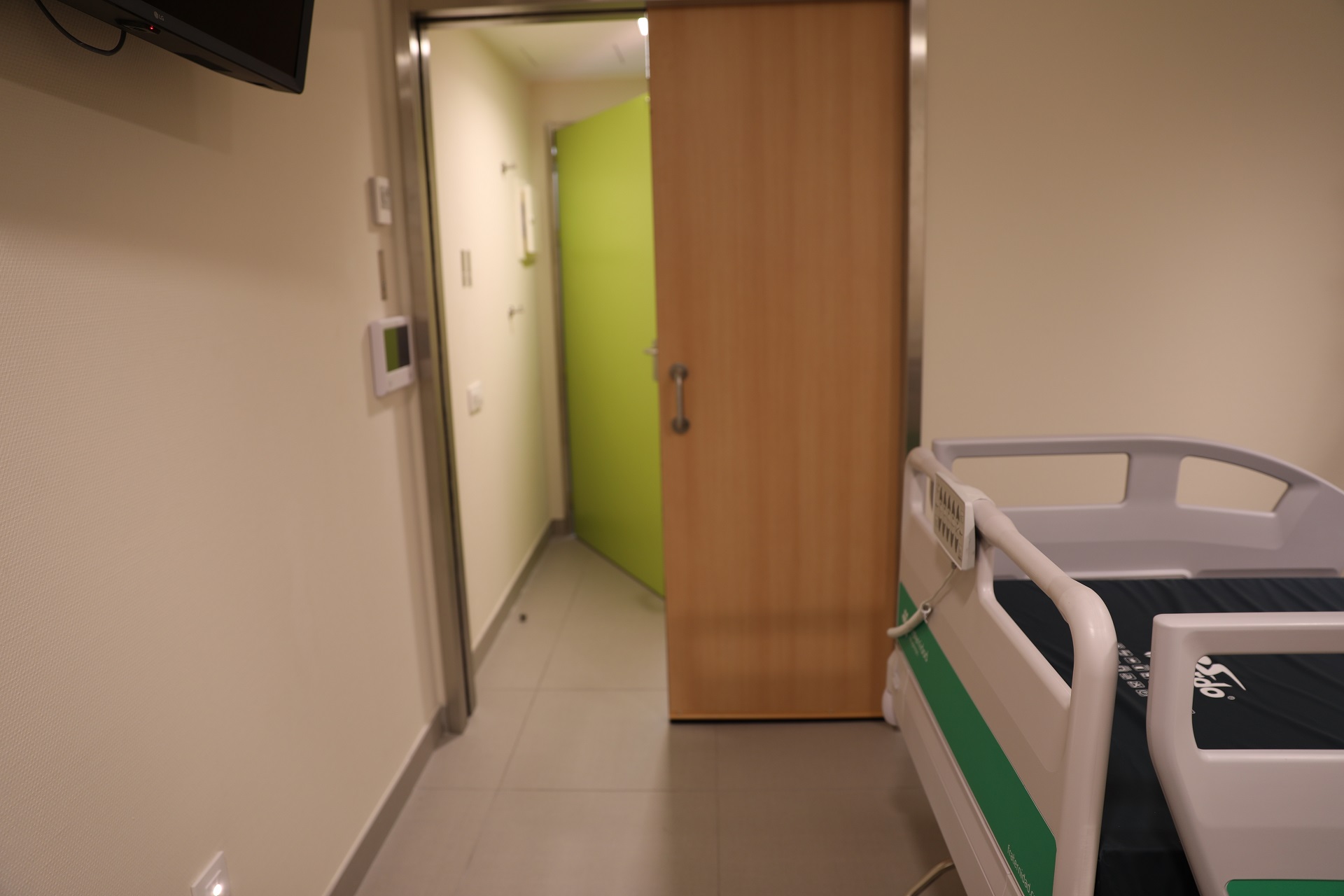
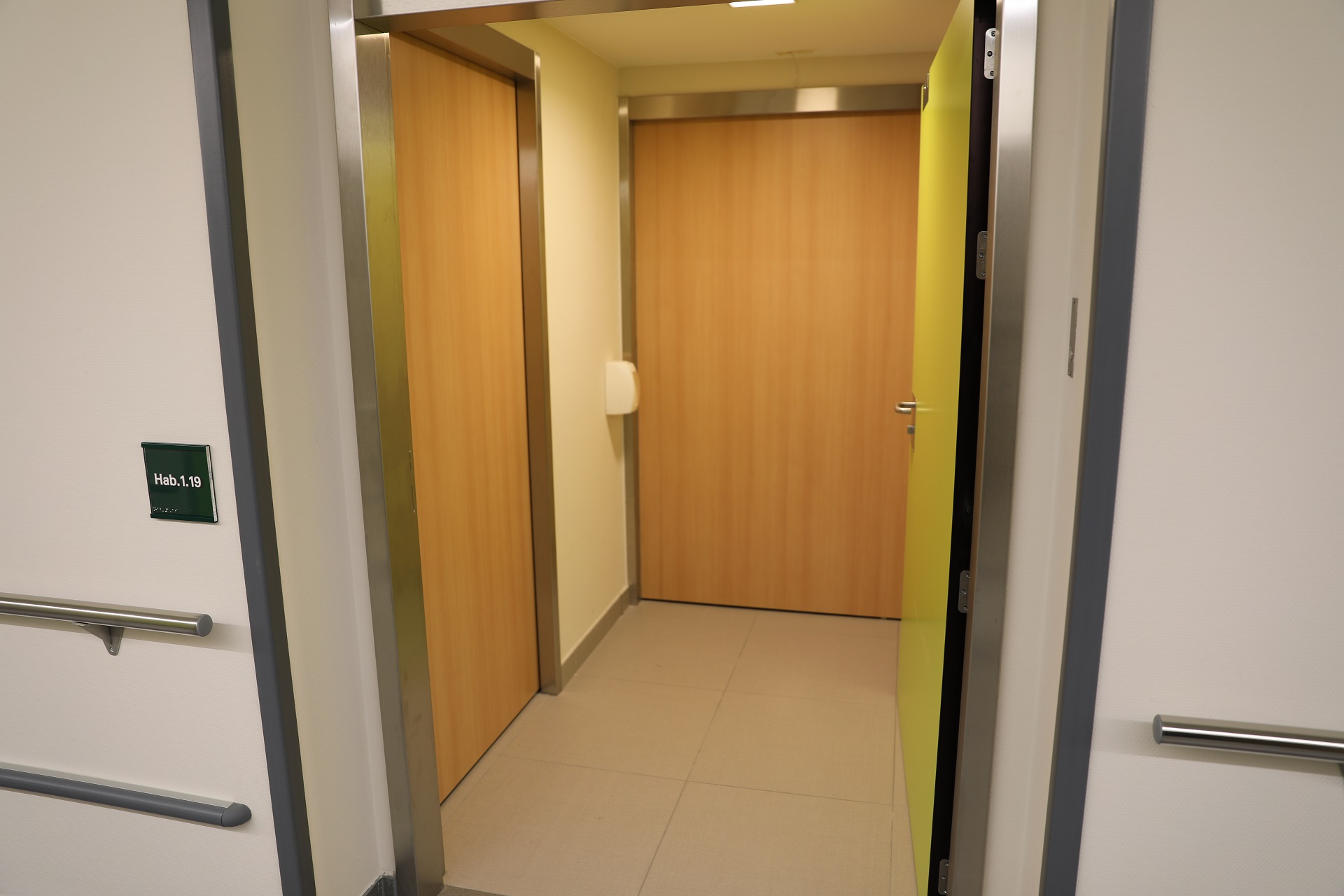
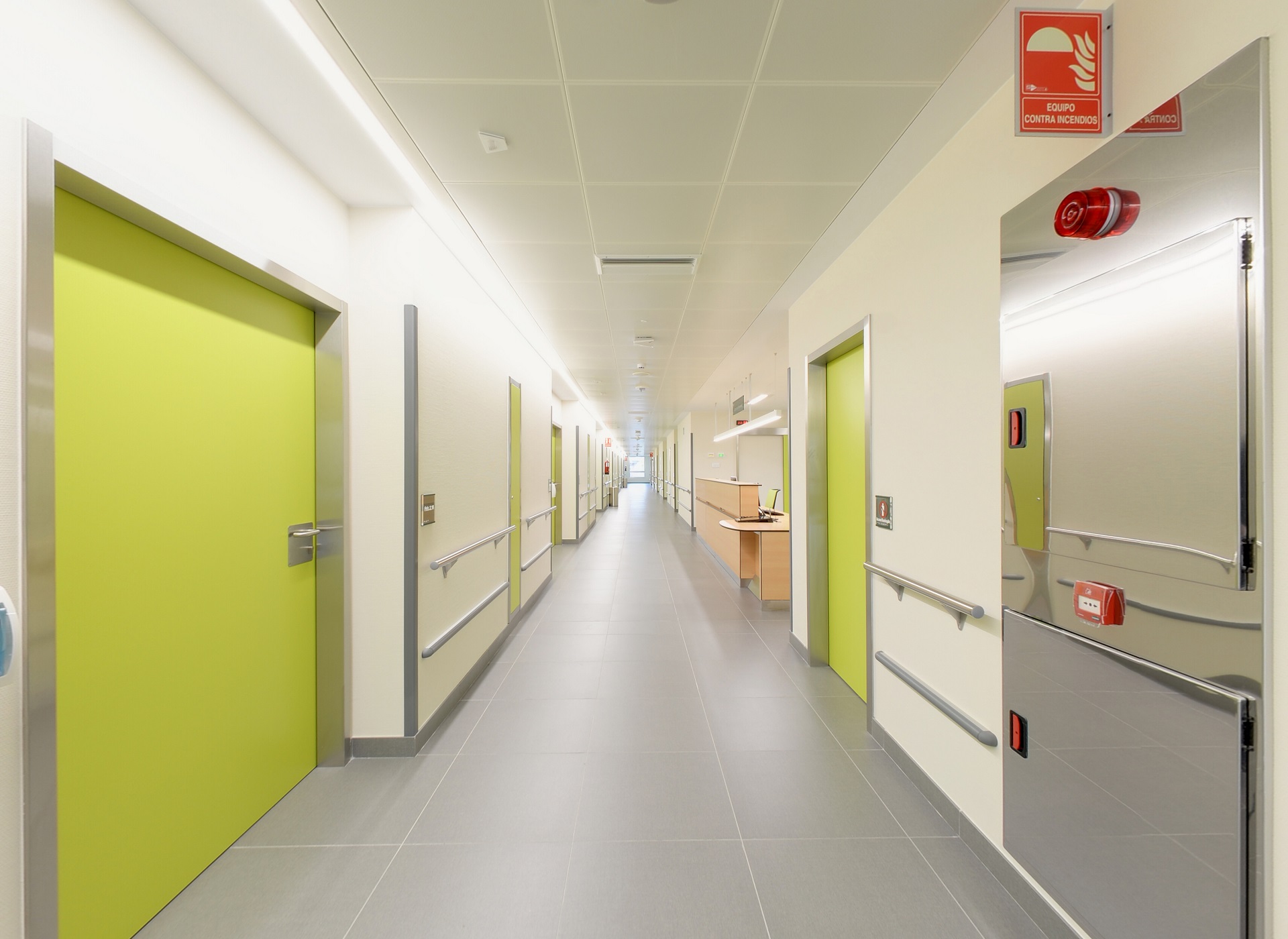
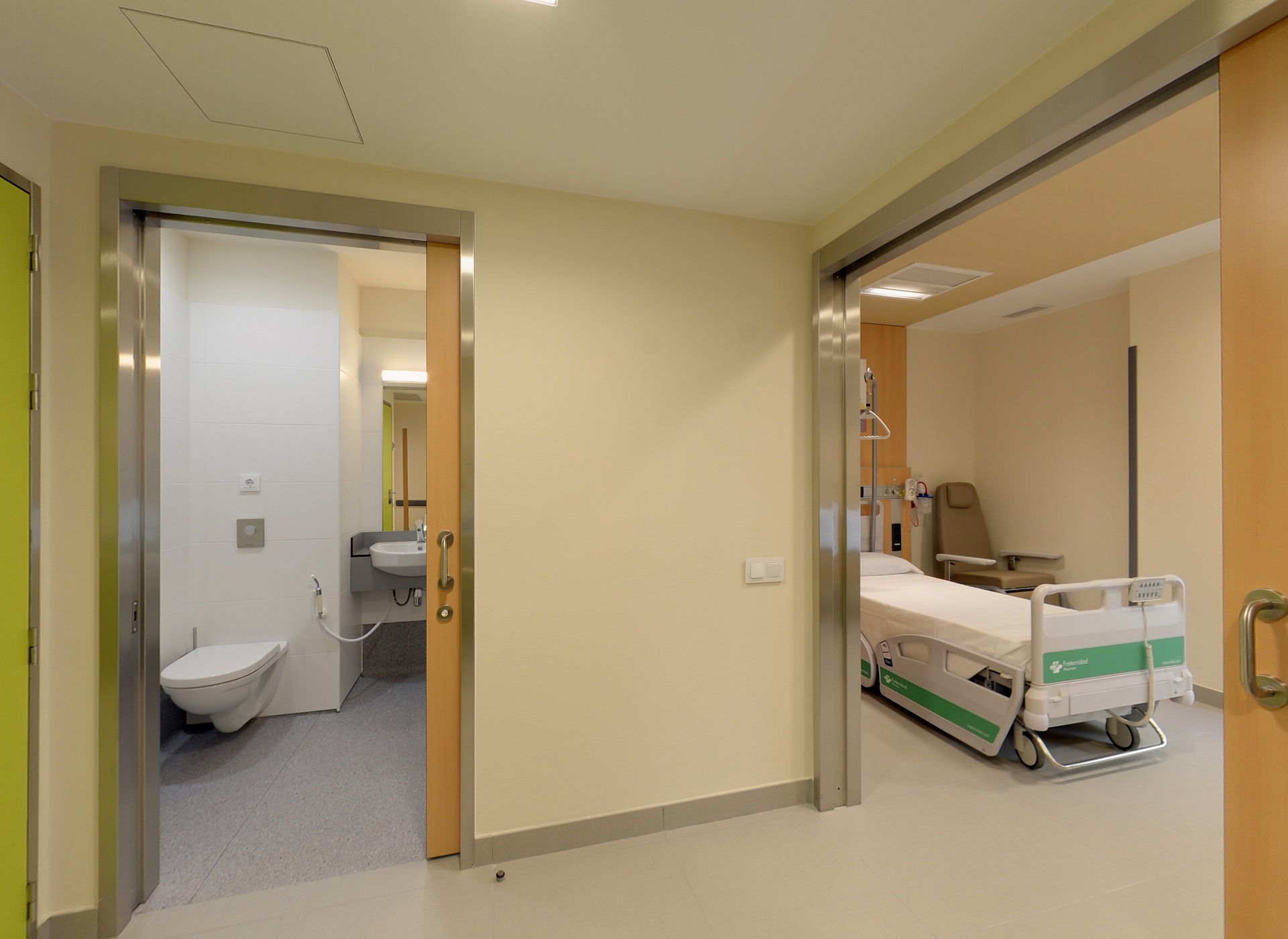
The Fraternidad-Muprespa Habana Hospital has 50 rooms. Four of them have “invisible” elements that provide security to the treatment. But how does a 'normal' room differ from an isolation room? There are two fundamental differences: the doors have a double lock system, that is, for one to open, the other has to be closed. In the intermediate area there is a table with the gown, gloves and mask that health personnel must put on and discard when finished.
The other difference is that we can choose what pressure there is in the room: negative, if we want the air from outside to enter the room but not allow the air inside to leave, or positive if we want the air circulation to go from the inside of the room to the outside.
In the case of patients with severe respiratory conditions, negative pressure does not spread the microorganisms inside the room, which are very resistant pathogens. "Once inside the room, the doors must be closed and the patient treated normally. At the end of the treatment, blood pressure, temperature measurement, etc., the clothing and consumables with which the patient has been treated are discarded in a special bucket. When leaving, between the two doors, you must wash your hands with a hydroalcoholic solution. The hands have not touched the patient at any time, so there is no possibility of spreading microorganisms to the rest of the patients," explains Caridad Amador, nursing director of the Hospital. Fraternidad-Muprespa Havana.
These rooms also serve to avoid nosocomial infections, which can be contracted in hospitals, given the presence of pathogens that 'live' in the hospital environment and are resistant to antibiotics. "They are essential in hospitals, first due to a legal imperative of the Community of Madrid, and second, because nosocomial infections are increasingly frequent, and the route of transmission is always healthcare personnel. Hence the importance of washing your hands well, keeping your nails short and unpainted, or avoiding rings since pathogens adhere very easily to them," explains the head of nursing at the center. Additionally, non-disposable material, such as stethoscopes or thermometers, although no longer shared between patients, is meticulously cleaned after each use. Isolation rooms also Previenen contagion by droplets (diseases that are transmitted by droplets of saliva, such as the flu) or by air (for example, tuberculosis).
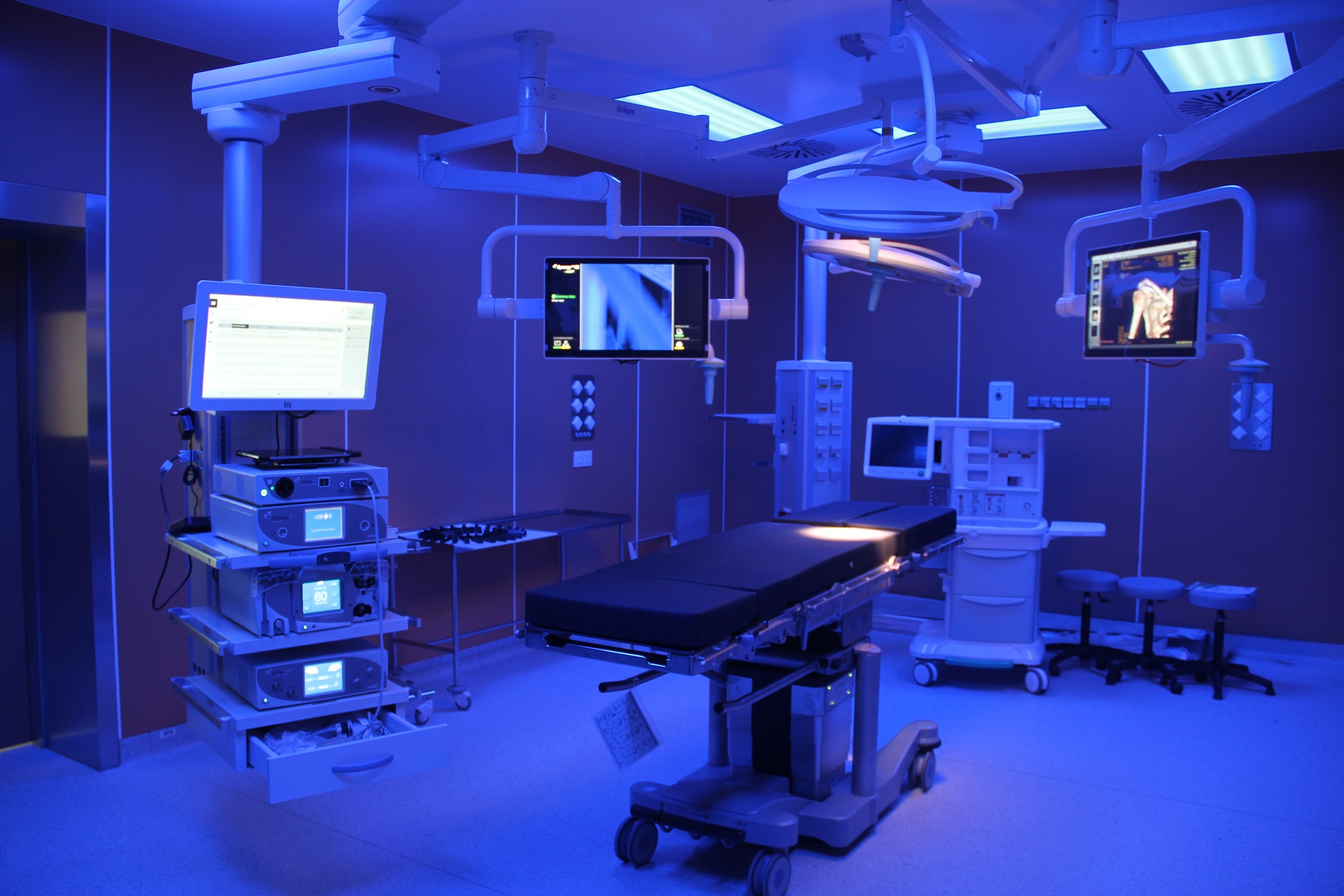
For immunosuppressed patients, these rooms also allow the isolation they need. For example, a patient who is receiving chemotherapy and whose defenses are greatly reduced needs to protect themselves from what other patients may infect them with. By changing the pressure in the room to positive, the air will leave the room and the air from outside will not enter. And on a day-to-day basis, what maintenance does this room require? If it is occupied by an infectious patient, the cleaning protocol is more demanding, practically like that of an operating room.
In these rooms, microbiological controls are carried out on a monthly basis to guarantee that there is no presence of any pathogen.
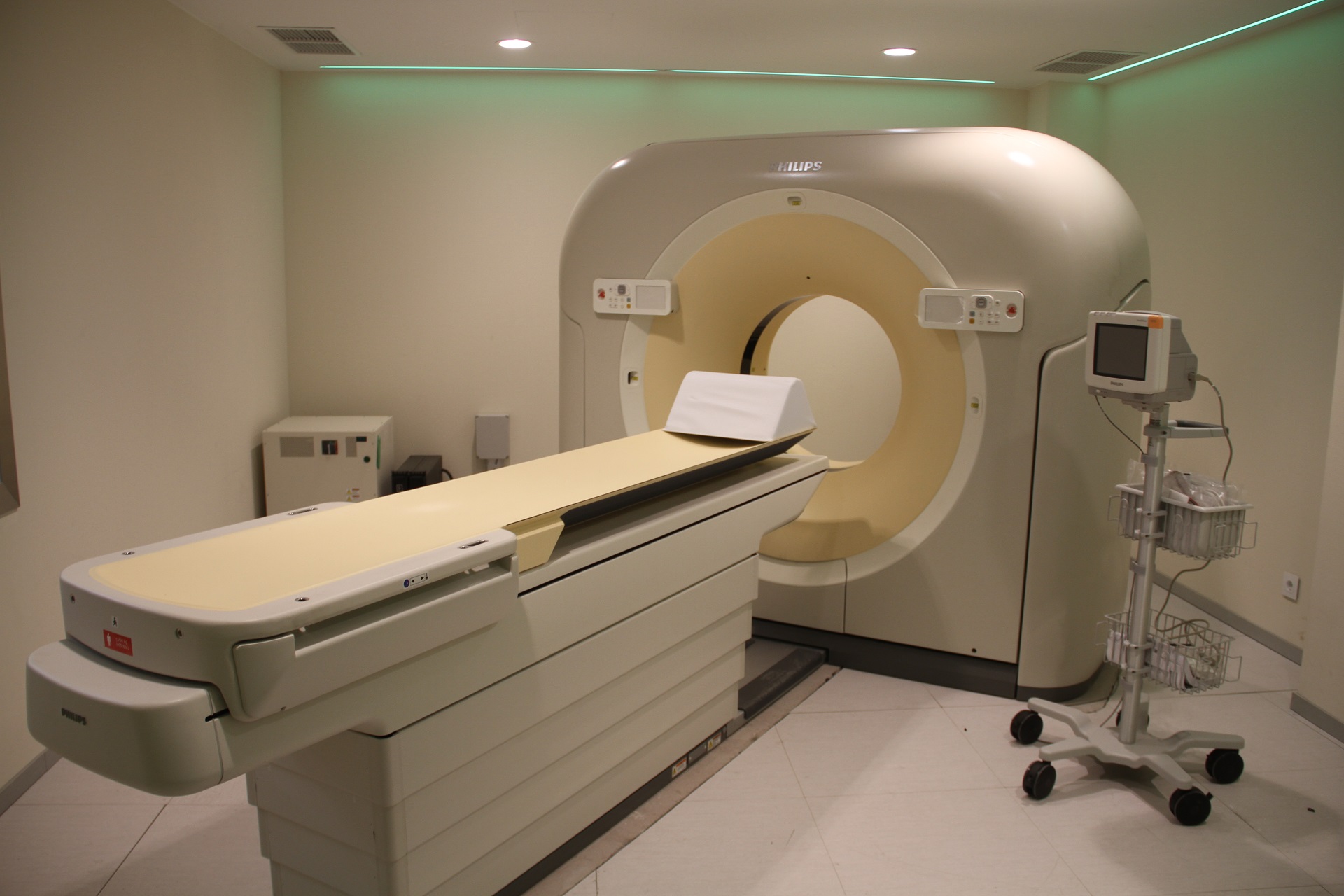
All of this results in greater security for the patient, who, of course, has a harder hospitalization experience since they cannot freely leave the room. When you have to go out, for example to get a test, it is important to take special precautions. They are summoned at the end of the day, they always come out dressed in PPE (Personal Protective Equipment) and when they have taken the test, the machine is cleaned to avoid contagion to the rest of the users. Their visits are also restricted and their companions have to wear PPE and constantly resort to hydroalcoholic solution.