
Automated medication dispensing system: technology applied to patient safety
A pharmacist is much more than a person dressed in a white coat on the other side of a counter in a store at street level. That is the image that comes to mind for the majority when we think about the figure of these professionals, but on World Pharmacists' Day, which is celebrated on September 25, In this department there are professionals, four, in the case in question, dedicated to providing maximum patient safety, but who rarely let themselves be seen by the recipients of their work, unlike what happens in street pharmacies.
And given that facilitating this safety for the patient is the maxim that guides its actions, one of the keys was to implement automation systems for certain processes in the Hospital since its creation. Doing so increases efficiency, minimizes possible errors and makes it easier to keep track of what has been administered. "The blisters look very similar. There are also many round, white tablets. The possibility of error could be multiplied, but this system reduces it practically to zero," he points out.Emilia Roldan, responsible for the hospital pharmacy Hospital Fraternidad-Muprespa Havana.
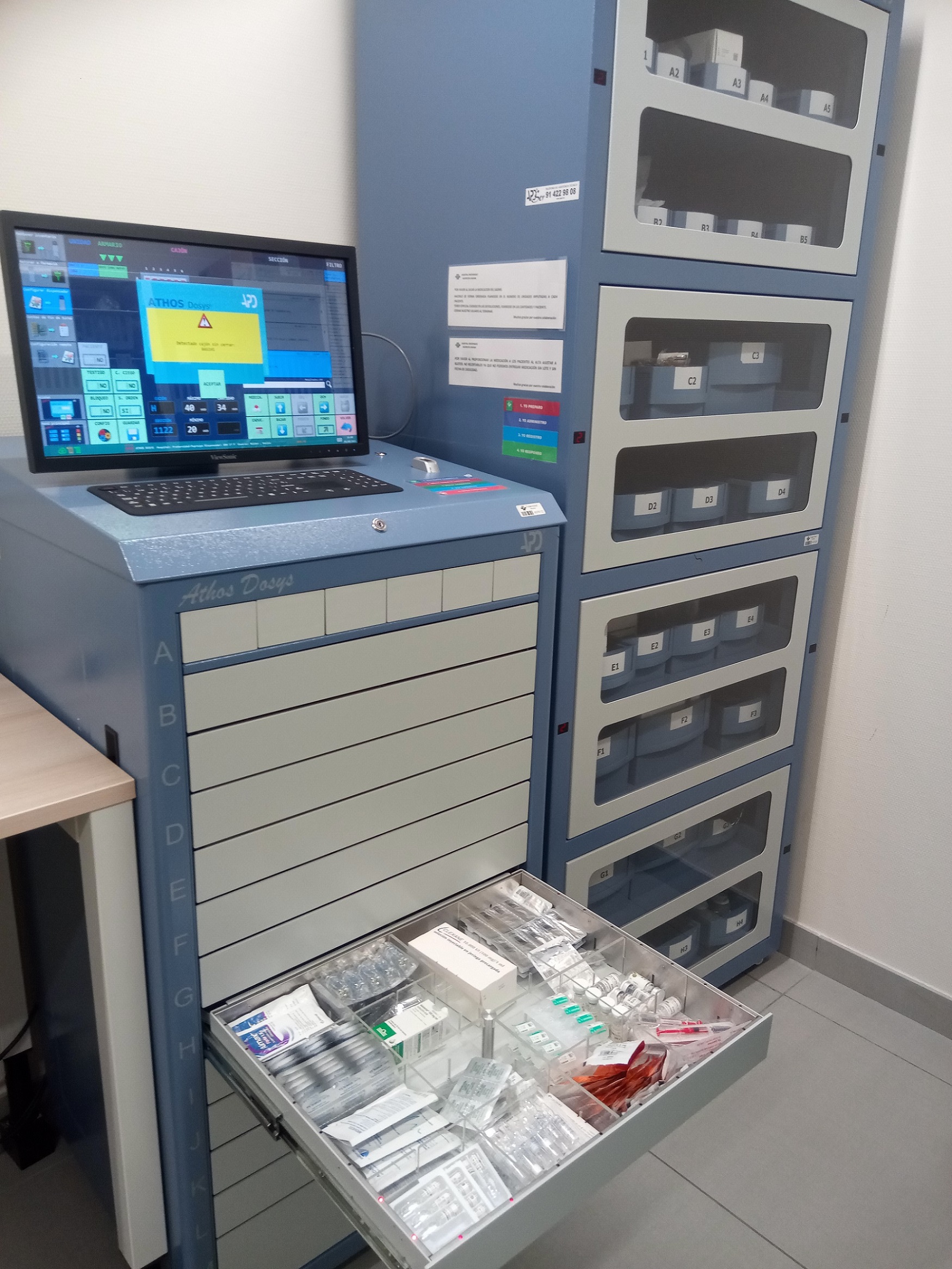
The automation process begins with the electronic medical prescription, which allows the medication and regimen to be administered to be precisely identified. This prescription then “travels” to the plant's medication dispensing cabinets, which have controlled access known as SADME (“Automated Drug Dispensing System”).
Two processes are integrated into these dispensers: electronic medical prescription and control by the Pharmacy Service. The SADME contains previously selected medications, distributed in boxes according to their size and the level of control that their access requires. After the medical prescription in hospitalization, the infirmary accesses the indicated medication, if it is available in the SADME. To do this, the professional has to identify himself, choose which patient he is going to administer the medication to, and then select the medication he wants to withdraw.
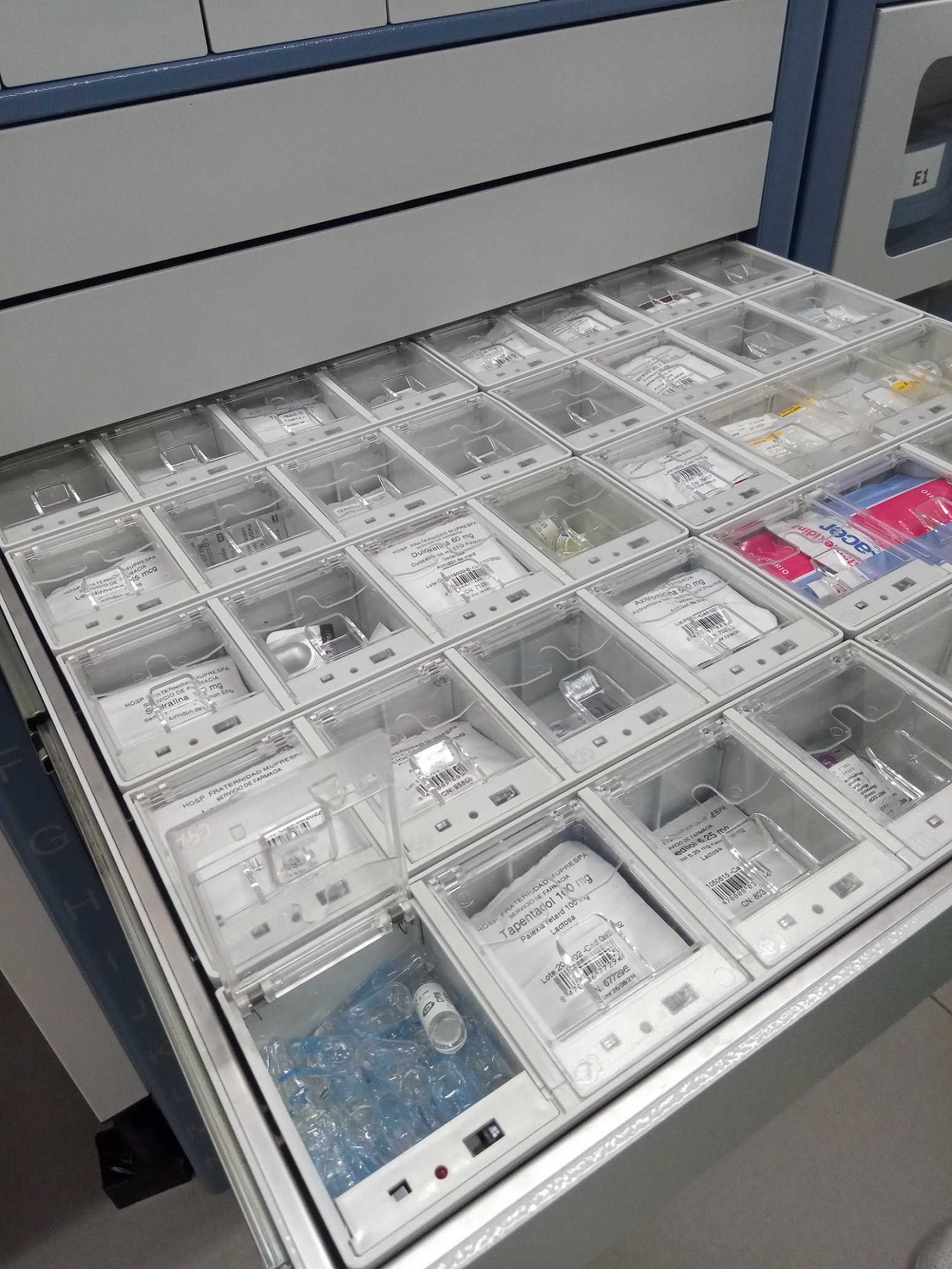
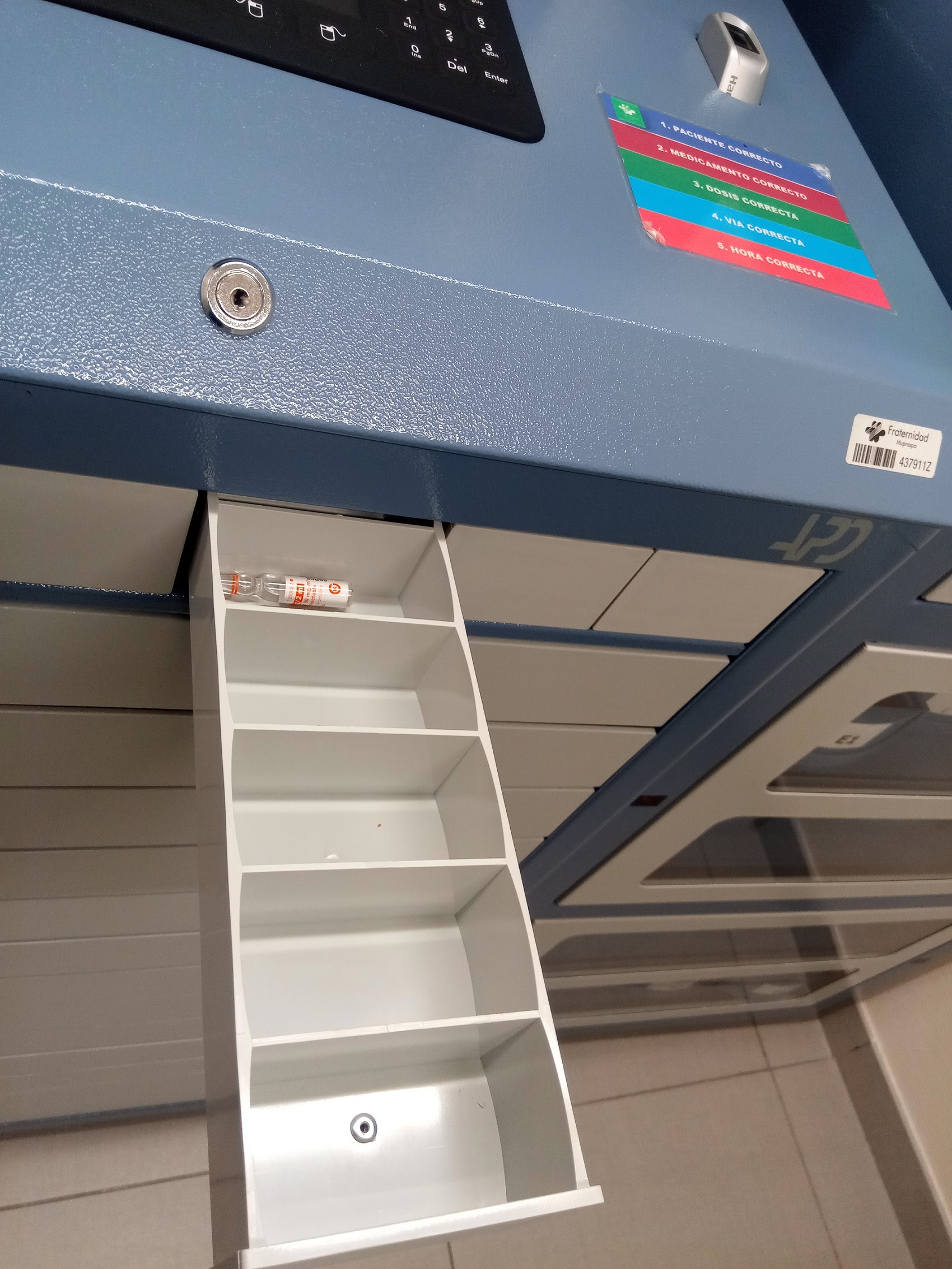
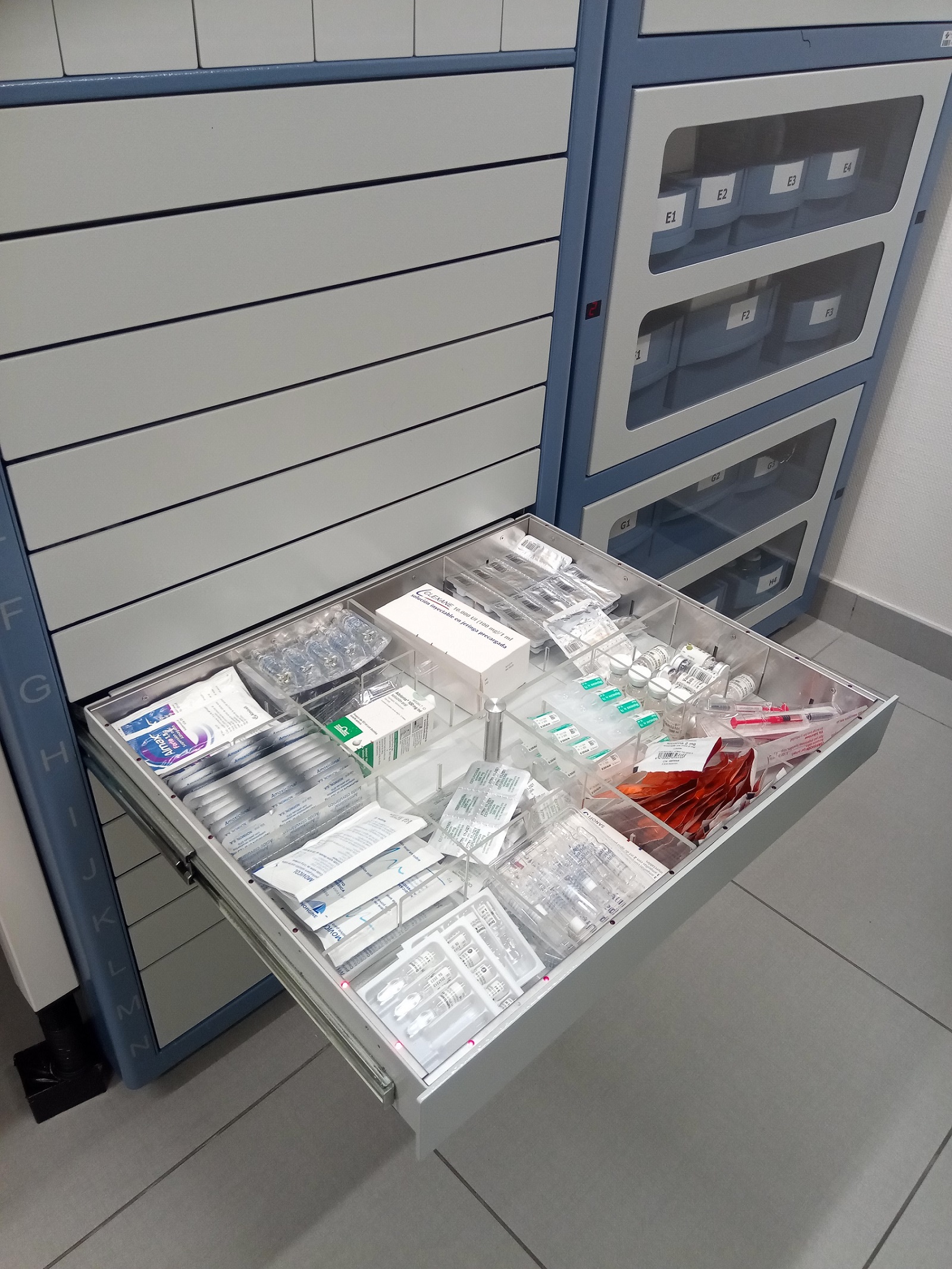
The SADME will open the corresponding box and will precisely identify, with indicator lights or the automatic opening of the box, where the medication to be removed is. All data is recorded so that you always know who, what and for whom a certain medication was supplied. Access levels are established based on the security required by the medication to be dispensed. "The highest is always for narcotics. In this case the system only allows taking one at a time, in fact the box cannot be completely extracted," Roldán specifies. Other medications are stored in boxes with lids, so that only that compartment is opened, not giving access to remove another medication from the drawer.
If we talk about medications with a minor need for protection, for example paracetamol, the boxes have medium security and several units can be stored together. These cabinets, in addition to the hospitalization floor, are located in two other areas, the surgical area and the emergency room.
STOCK AND EXPIRATION CONTROL
In the cabinets, not only the stock is managed, but also the expiration dates of the presentations it contains, which are reviewed monthly by the pharmacy staff. After this process, the outputs originating in the SADME of the hospitalization floor create a replacement order for each presentation that connects directly to the medicine storage cabinet.
This Service has a vertical storage cabinet with multiple boxes arranged in a carousel shape, in which a box is assigned to each presentation and is unequivocally identified. When the carousel receives the order to refill a medication, it automatically directs us to its position and points to it. Therefore, there is an exact coordination between what is requested and what is replaced in the plant. This system allows for quick and concise replenishment, and minimizes the stock needed in the plant.
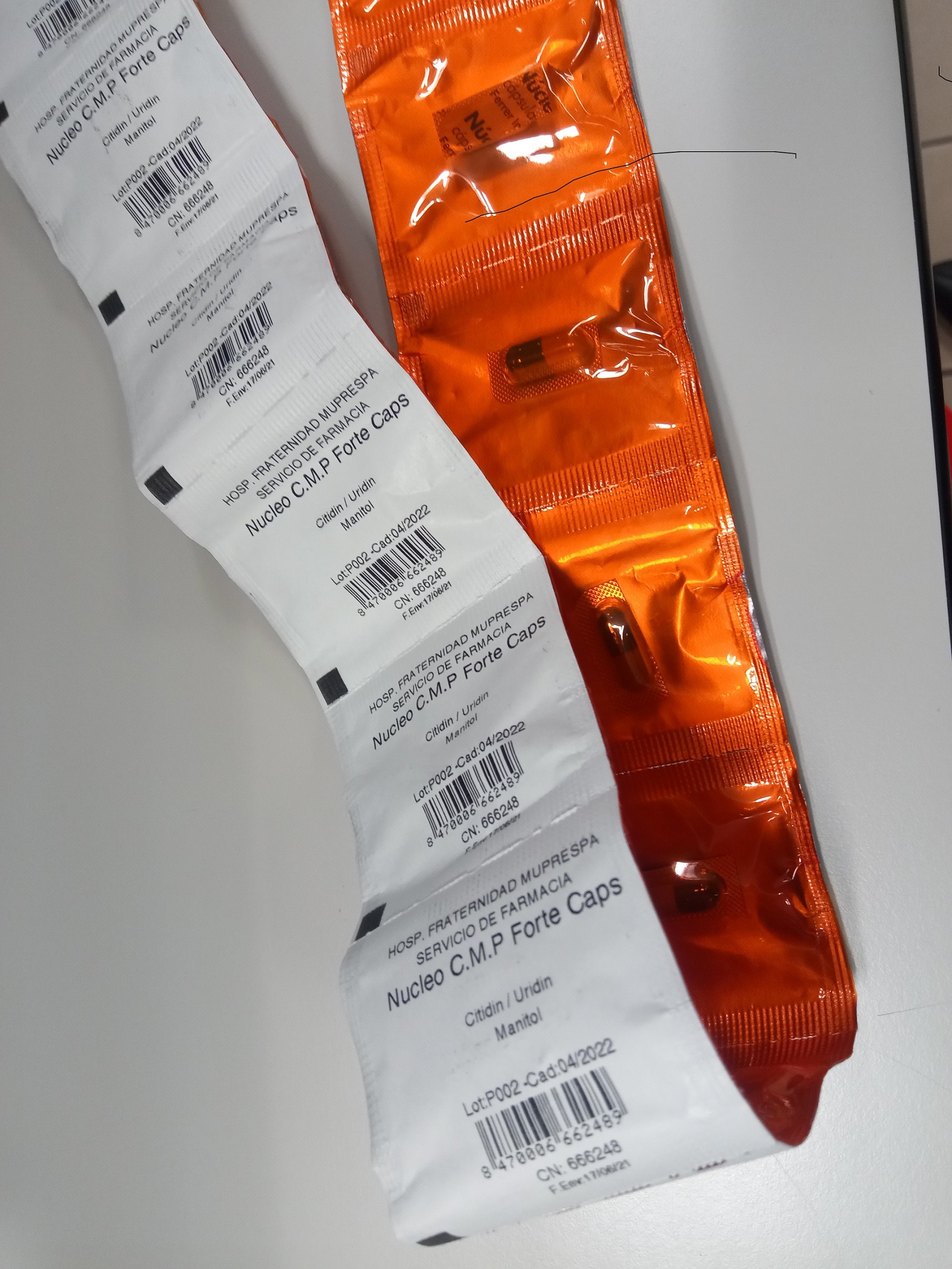
"In it Hospital Fraternidad-Muprespa Havana We work above all with medicines identified in a unitary way, that is, each tablet, vial or sachet is identified with its content, batch and expiration date. If any medication is not marketed in this way, it is repackaged in the pharmacy and thus we avoid any possible dispensing error," says Emilia Roldán. From the Pharmacy Service, a team of four people controls the coordination between the medical prescription with the dispensing cabinets and its replenishment. "All automation is a complement to the work of the human team, because the supervision of pharmacy professionals is vital in each of the processes."
In parallel, the Service also contributes to patient safety by verifying what is prescribed. For each prescribed medication, its presentation, dosage and posology are reviewed, possible interactions, duplications... are detected and at the same time it is ensured that what is necessary for a patient will be available in time for its dispensation. The verification of the medical prescription by the Pharmacy ensures the intervention of more professionals in the monitoring of their treatment and in speeding up availability for what the patient may require, always becoming, as it cannot be otherwise, the epicenter of the activity.