Fraternidad-Muprespa highlights the importance of risk prevention in a gender perspective
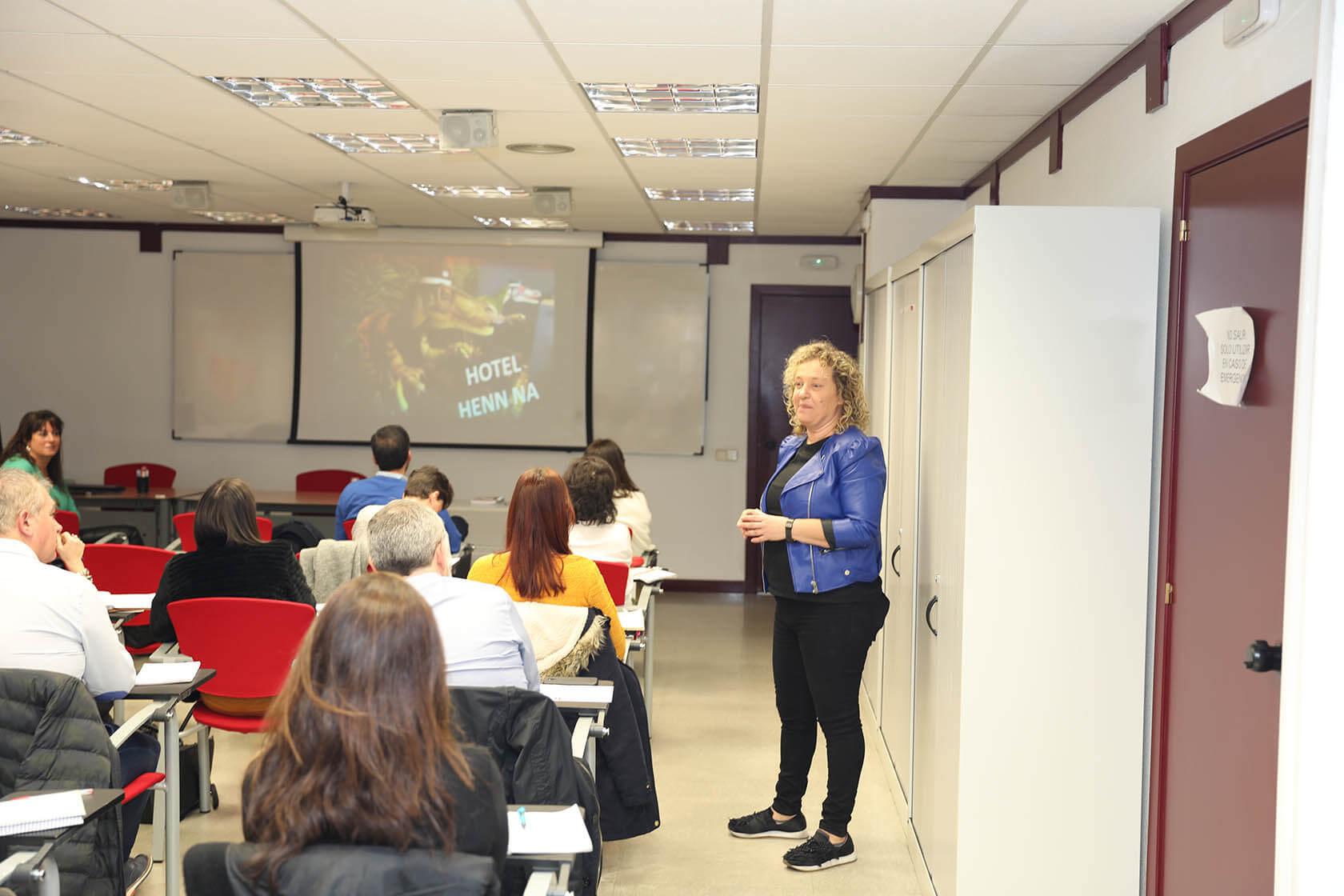
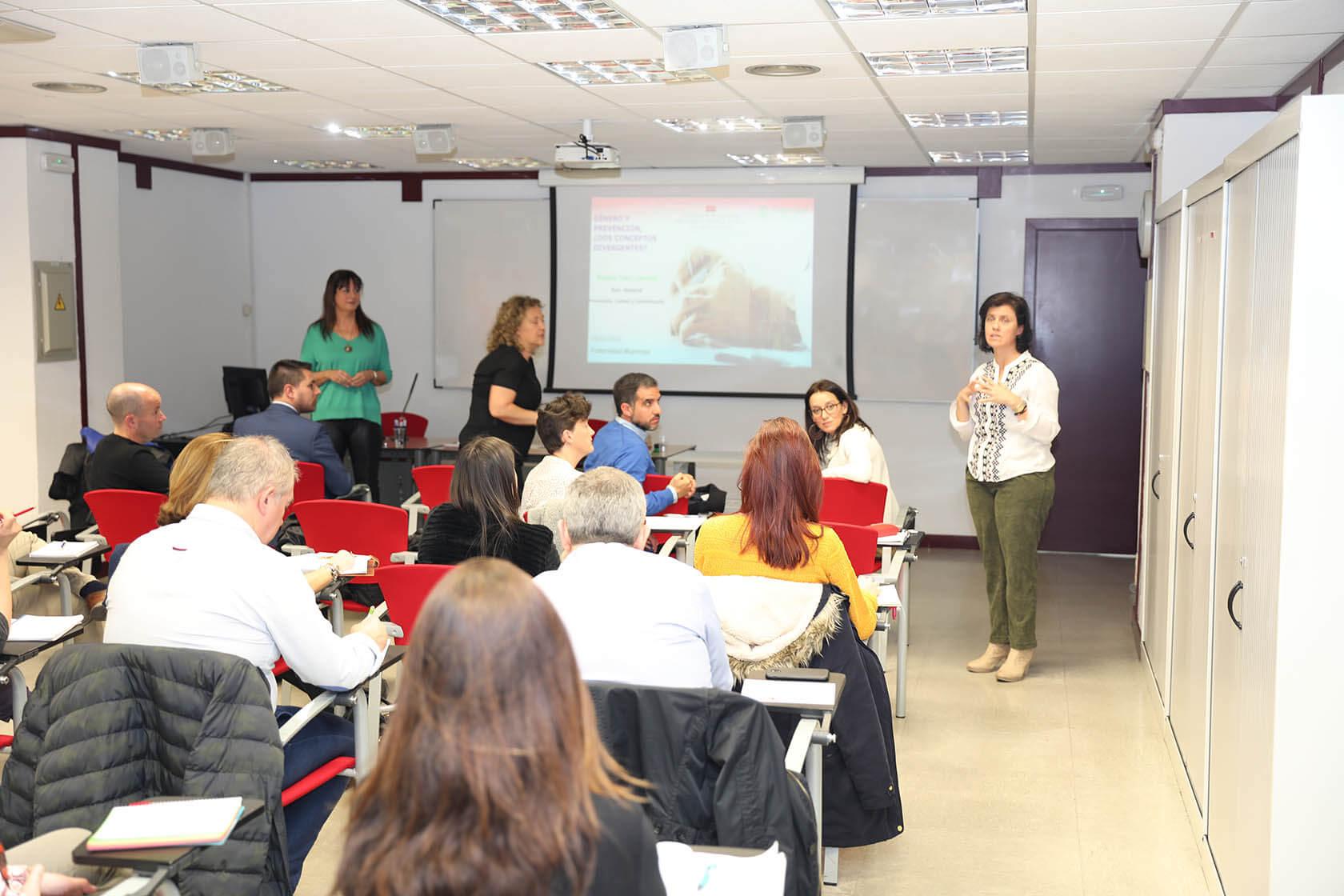
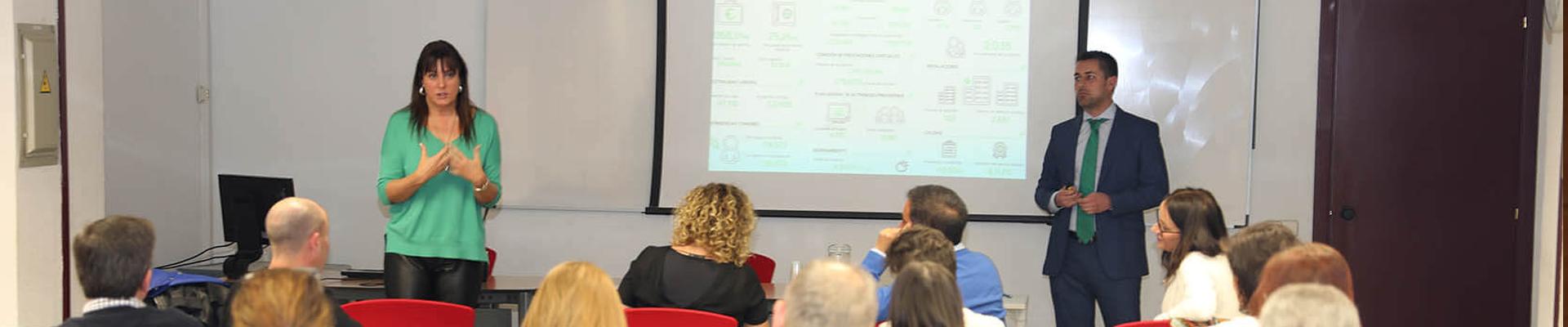
Fraternidad-Muprespa, Mutual Collaborator with Social Security, participated this Monday in a conference organized by the Regional Institute of Safety and Health at Work(IRSST), within the activities of the Specific Training School of the Training Catalog of the organization of the Community of Madrid on housekeepers, their employment and personal situation and the recognition of their pathologies.
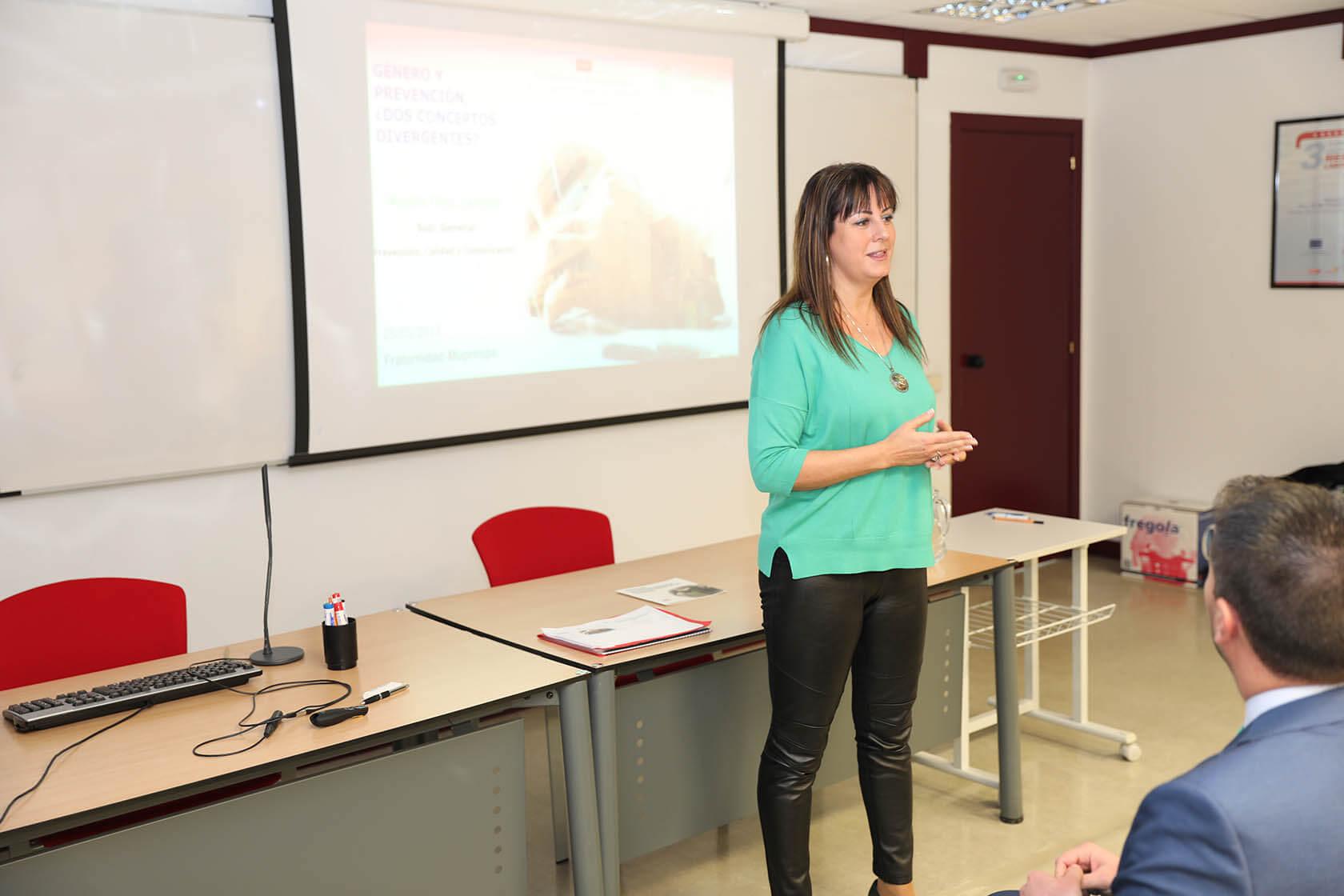
“Gender and prevention, two divergent concepts?” was the title of the presentation Natalia Fdez. Laviada, deputy general director of Prevention, Quality and Communication of Fraternidad-Muprespa, who highlighted the need to “integrate the gender perspective in the prevention of occupational risks, a process that requires evolution in the way of thinking and acting,” as she stated. As an example of the importance of this matter, he summarized some of the data collected by the INGEPRE project, in which Fraternidad-Muprespa has participated. Although the data is based on surveys carried out in companies in the Principality of Asturias, the conclusions can be extrapolated to the entire Spanish territory.
For example, he highlighted that, although companies mostly recognize the importance of having equality measures in their risk prevention plans, the reality is that they strictly adhere to what the law requires, and many of the specificities in a feminine key are, exclusively due to biological differences (pregnancy or breastfeeding), without providing any additional element.
This project reviews female workplace accidents in the four sectors of activity with the greatest presence of female workers: hospitality, assistance in residential establishments, social service activities without accommodation and service companies. The latter is where the “kellys” or chambermaids provide their services.
Another of the most significant shortcomings in these plans is the absence of work-family conciliation measures and the lack of analysis of accident or absenteeism data disaggregated by sex, which encourages legislators not to promote specific differentiated measures for men and women.
"We must join forces between all the actors involved: public health services, prevention services, mutual societies collaborating with social security and social agents. In 2018, 14.36% more occupational diseases were reported", assured Fdez.
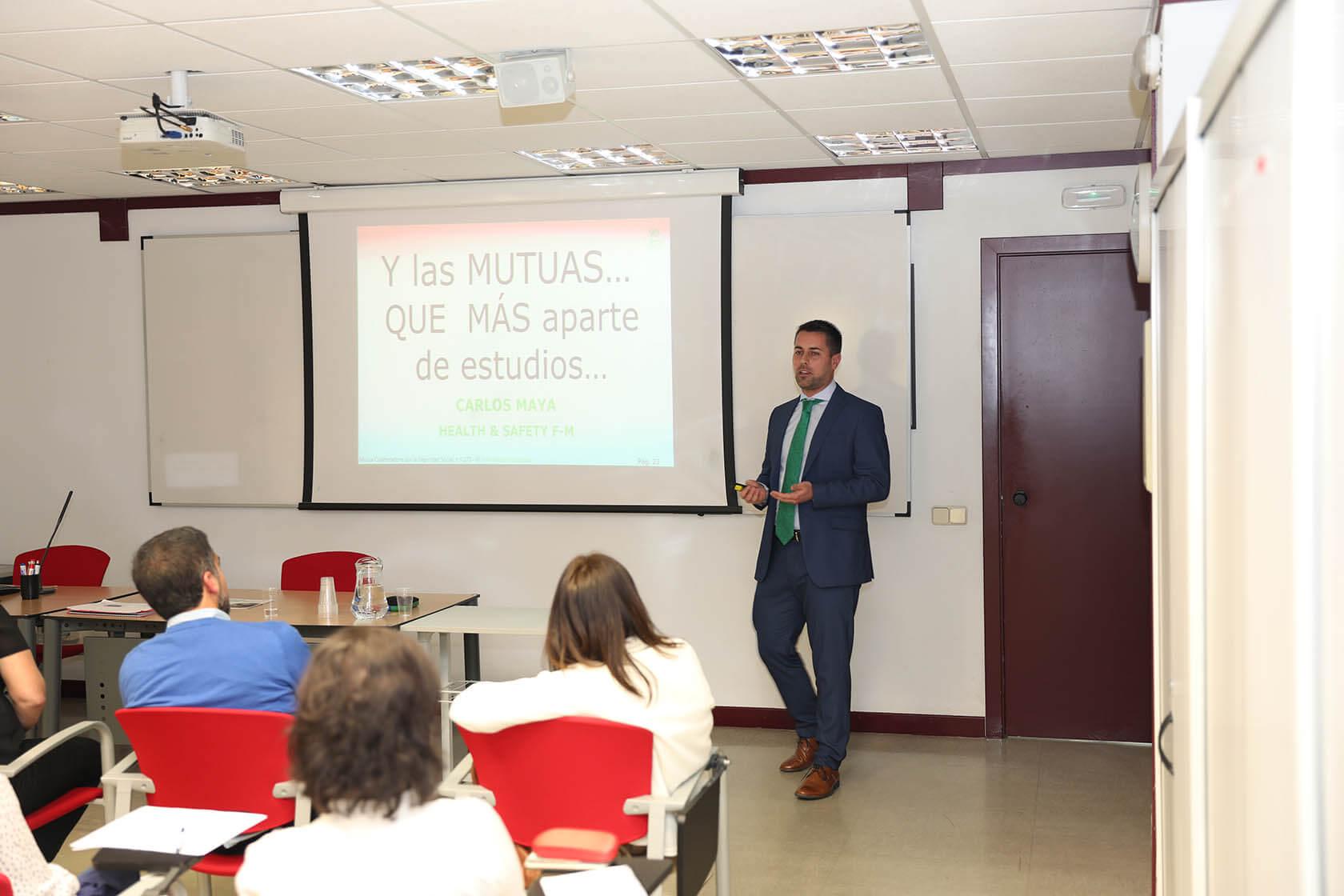
Carlos Maya, senior technician in Occupational Risk Prevention, also participated in the event and demanded more intensive and higher quality evaluations that include ergonomic, psychosocial and hygienic risks, since this facilitates the classification of diseases as common or professional.