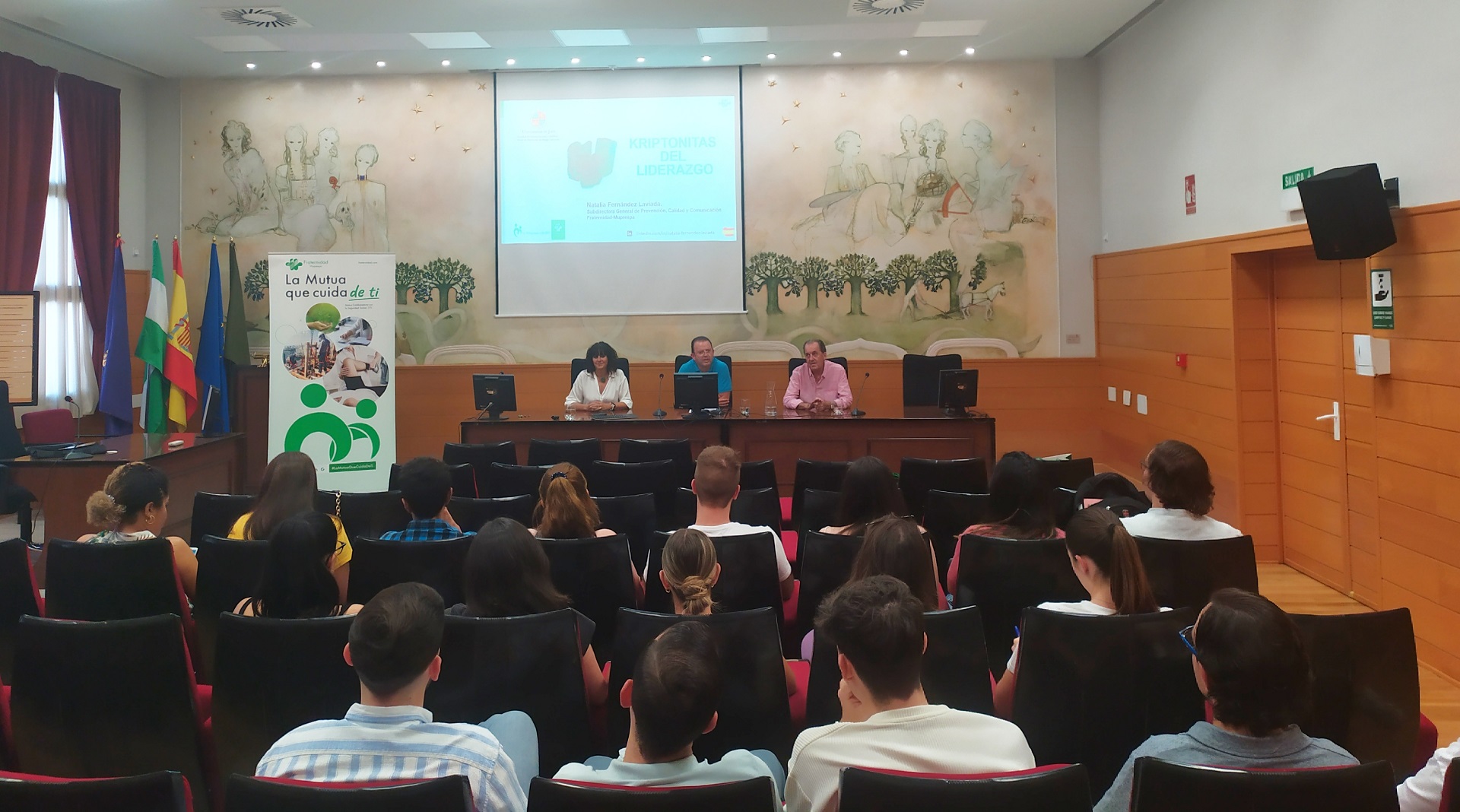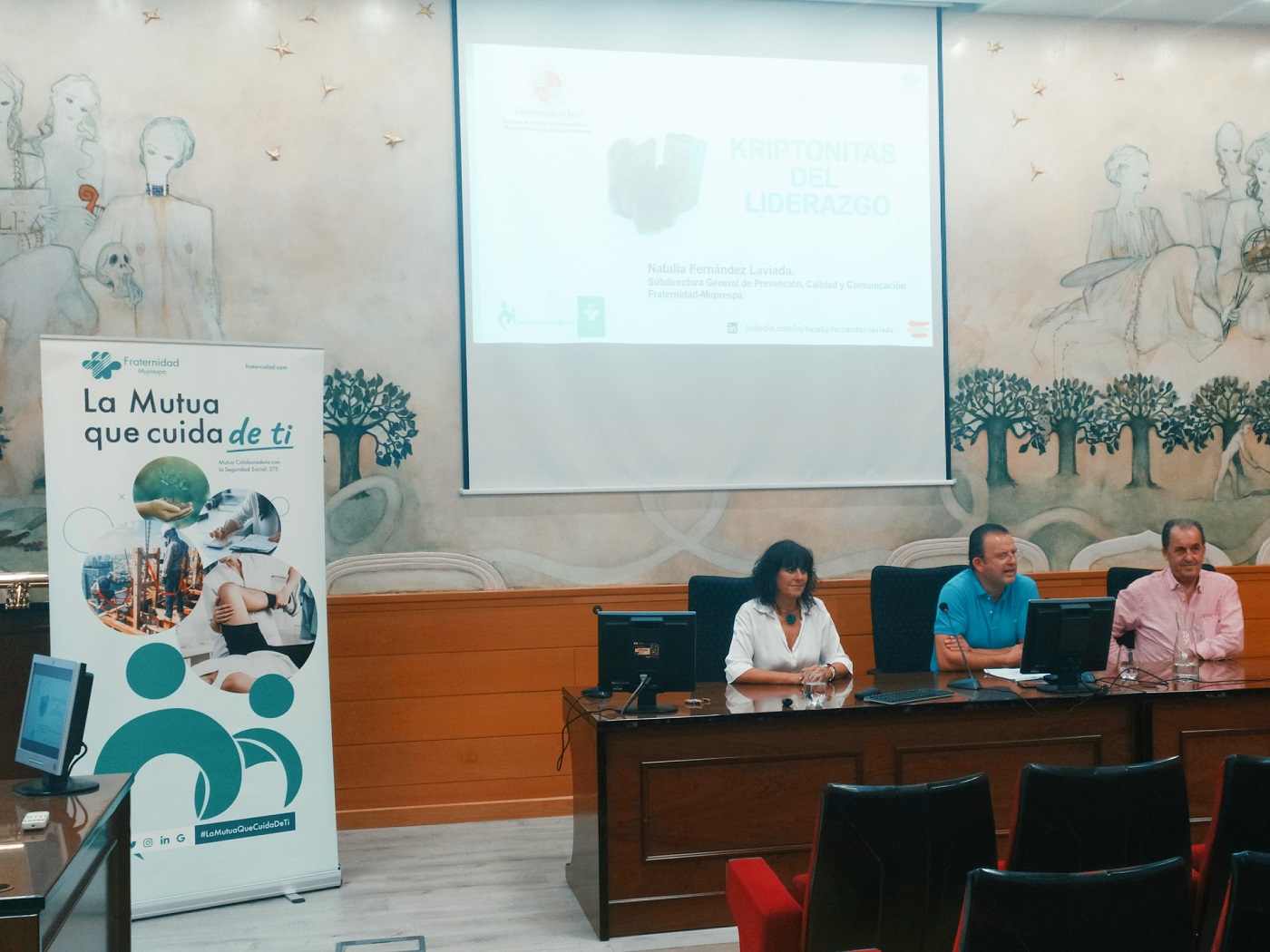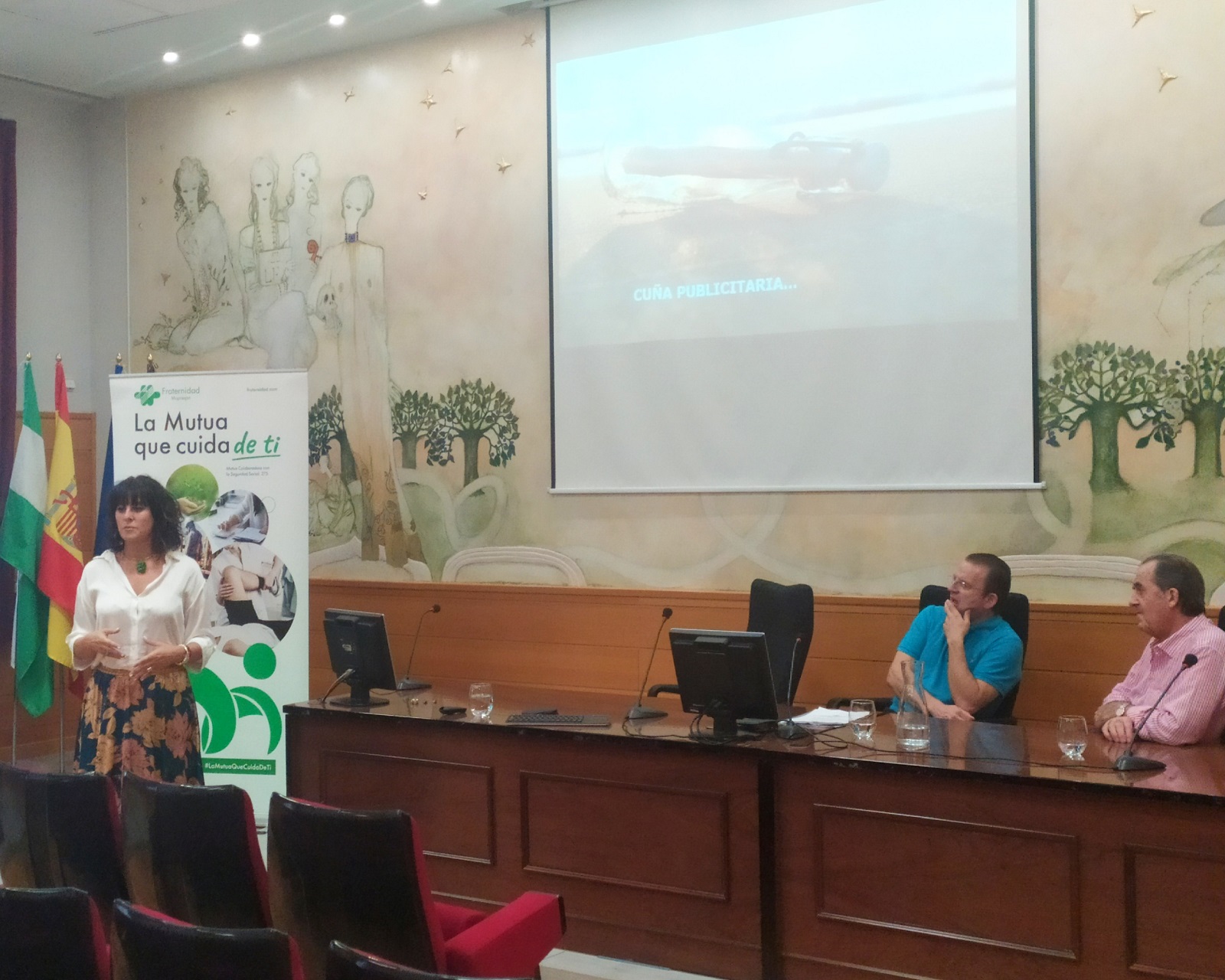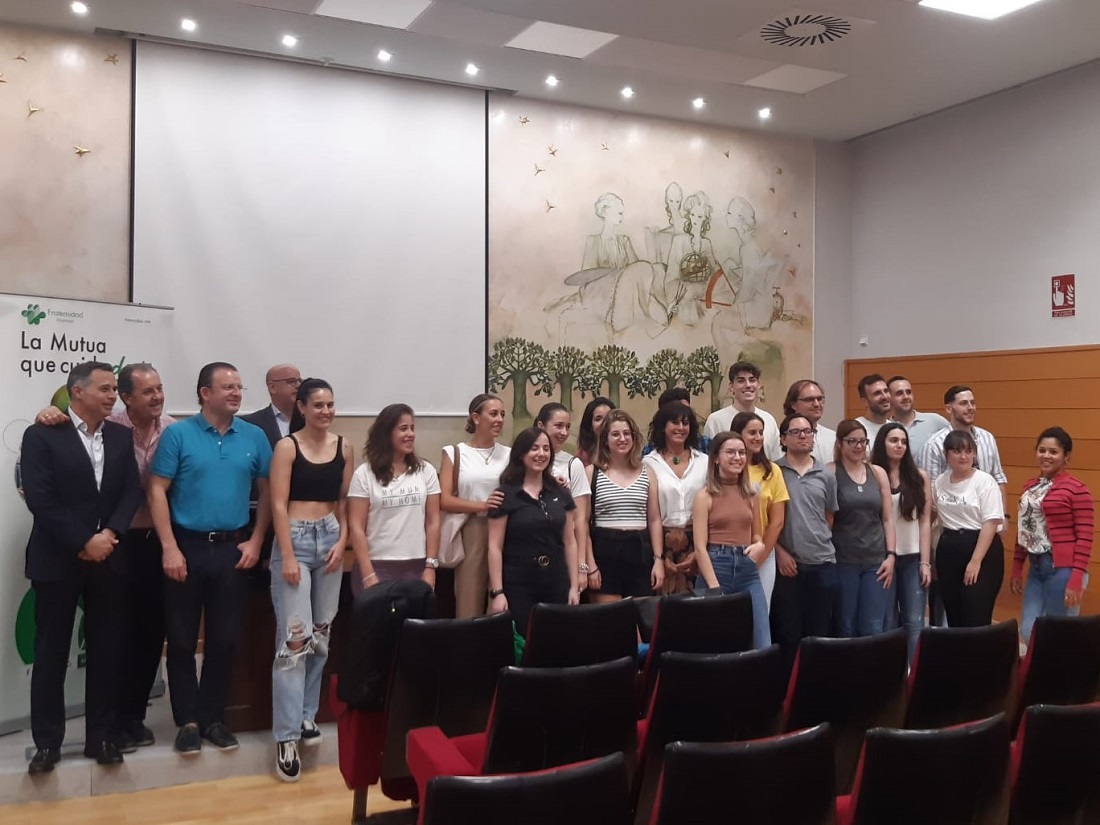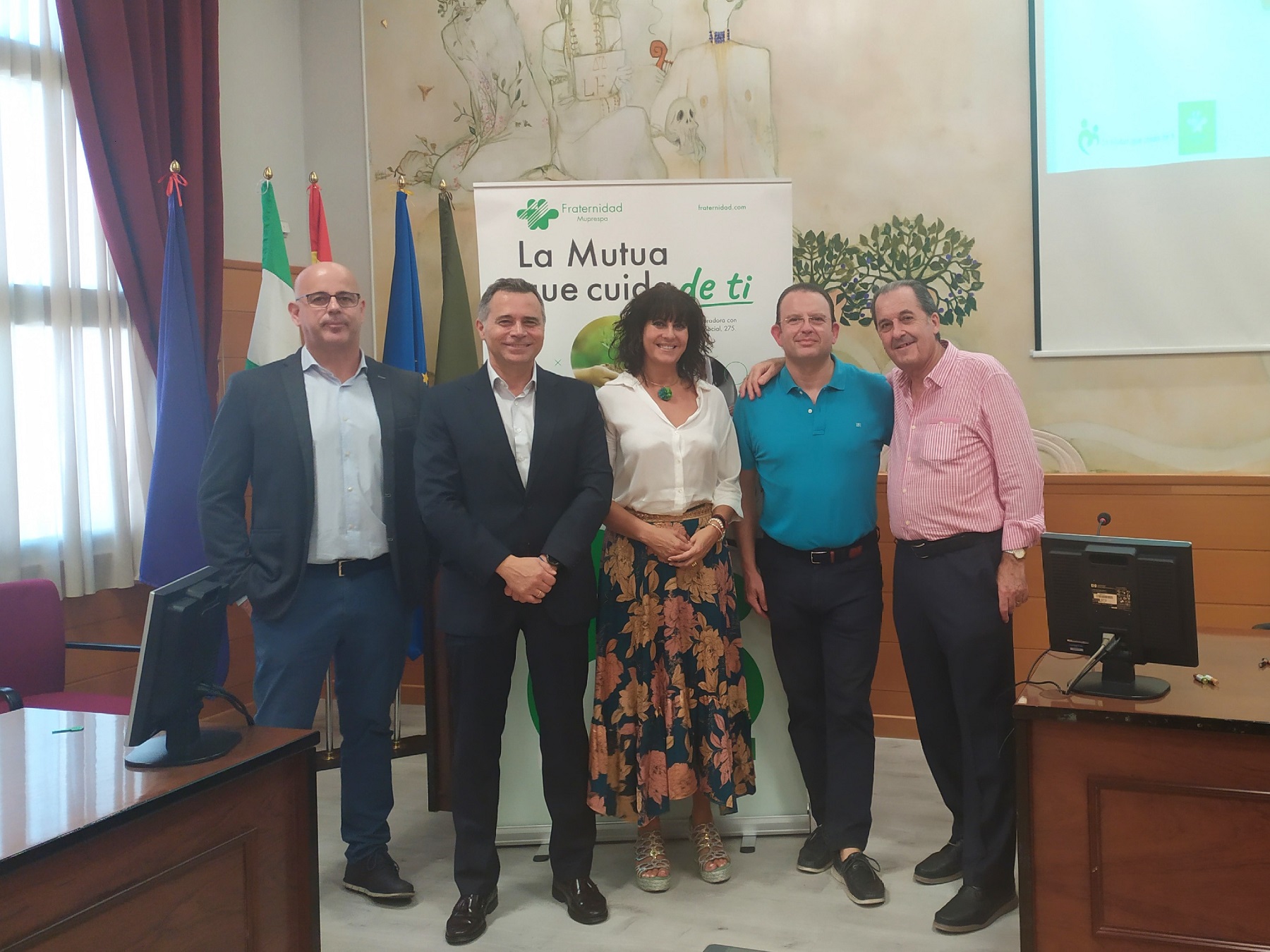
Natalia Fdez. Laviada gives the inaugural conference of the PRL Master at the University of Jaén
Natalia Fdez.
In front of more than twenty students of this master's degree, Fdez. "We are not wrong," he added, "if we say that healthy, less coercive, more influential and close leadership is now vital. That is capable of managing diversity in all its variants, of leading diverse groups, in face-to-face and virtual contexts, of being an e-leader.
“You, future specialists in prevention and health, must learn and apply methods of observation, evaluation, action planning and monitoring to avoid psychosocial risks; among them those derived from leadership, whether with or without position, inappropriate, because they are not healthy, working on intangibles such as exemplarity, authenticity, ethics and honesty in companies," he stressed.
Subsequently, it gave way to a description of which weaknesses or 'kryptonites' are the most frequent in leaders or middle managers, as well as the antidotes to counteract their shortcomings.
Among them he named narcissistic leaders, lacking empathy and dominated by 'Iism', a way of exercising leadership that finds its antidote in generosity. The stressed leader, who has his counterpoint in happiness, understood as balance. The sad leader, one who does not know how to handle uncertainty and who lacks tolerance for frustration, must work to become an adaptive leader, who foresees changes, anticipates them and adapts to them. The lying leader, the one who does not have the trust of his team, has the opposite, the coherent leader, the reference in good communication, who makes sincerity his flag. Finally, the solitary leader, the one who prefers to act on his own, and who must reverse that way of working by exercising group leadership through socialization and the addition of teamwork.
Natalia Fdez was accompanied at this appointment. Gilabert, provincial director of Fraternidad-Muprespa in Jaén, and Víctor Cruz, Deputy Provincial Director.