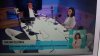
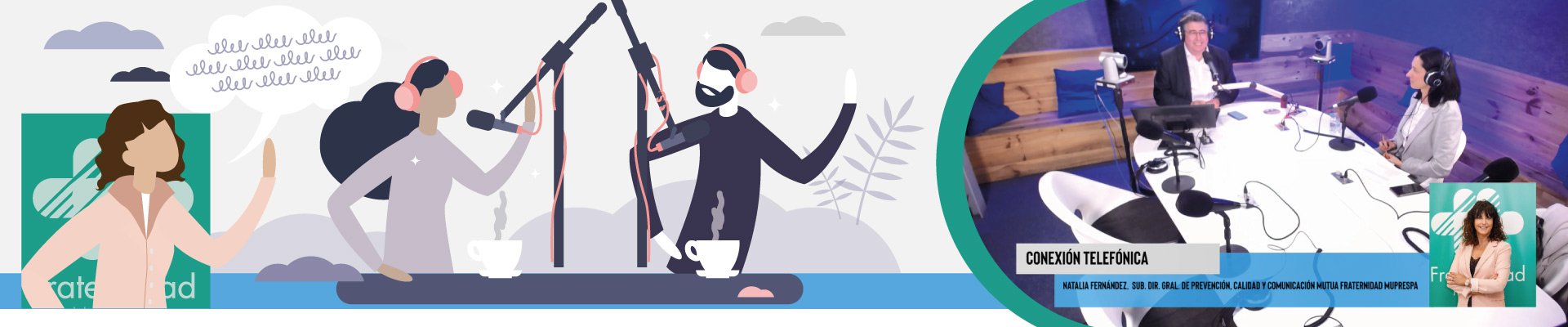
Natalia Fdez. Laviada, on the radio program “Health and quality of life” to talk about sustainability
The deputy general director of Prevention, Quality and Communication of Fraternidad-Muprespa, Natalia Fdez. Under the title “Keys to Sustainability Management: how to add value from Safety and Health at Work”, the program also included Elena Castro, OHSE Lead Auditor,Felix Sanz, independent professional driving cultural change and innovation,Cristina San Miguel, HEAD QHSE at QHSE, and Javier Mañueco, managing partner at Sin CeO2.
Fernández Focusing on sustainability, he specified that mutual societies contribute to fighting against unjustified absenteeism from work, and therefore, help the sustainability of the system.
He later went on to describe the relationship between the acronym ESG (Environmental, Social and Governance) to uncover its intimate relationship with risk prevention.
The 'S' dimension, the social dimension, refers to the management of the company with people, encompassing relationships with employees, suppliers or clients; with the well-being and safety of the workforce or with the adoption of timely measures in relation to the prevention of occupational risks and occupational health, for example through the transformative approach of Vision Zero that Fraternidad-Muprespa helps to implement in their mutual companies.
In the 'G' dimension, that of governance, Fraternidad-Muprespa promotes the presence of coherent, honest and transparent leaders, true healthy leaders in organizations. The importance of this type of leaders not only lies in the generation of physical and mental health in the company, but also in their “economic health”, since it makes companies more attractive for investment, by having a better reputation in the market.
With respect to dimension 'E', the environmental one, Fernandez Laviada highlighted that Fraternidad-Muprespa seeks to minimize the impact on the ecosystem of its activities, services and facilities “because we have environmental sustainability incorporated into the corporate green DNA.” "A good example of this is the Fraternidad-Muprespa Habana Hospital, the first hospital in Europe and the fourth in the world to receive the Leed Healthcare Platinum certificate or the reduction of the carbon footprint in all of the Mutua's centers, 115 in total."
According to the deputy director, the vision of the company as a simple economic actor to perceive it as a social actor with two key challenges: making the middle manager understand “that the time for voluntarism has passed, since it is not only about saving the planet, but also about saving lives and investments”; and draw the key indicators of the social taxonomy, as has already been done with the green taxonomy.
"The future 'financial S' where risk prevention will be alongside the standard indicators of human rights, the digital, wage or gender gap, accessibility... the reporting of the non-financial in prevention," he added, "will directly affect the economic, as preventionists have been clamoring for years."