Natalia Fdez. Laviada participates in a conference of the Cantabria Prevention Chair and ICASST
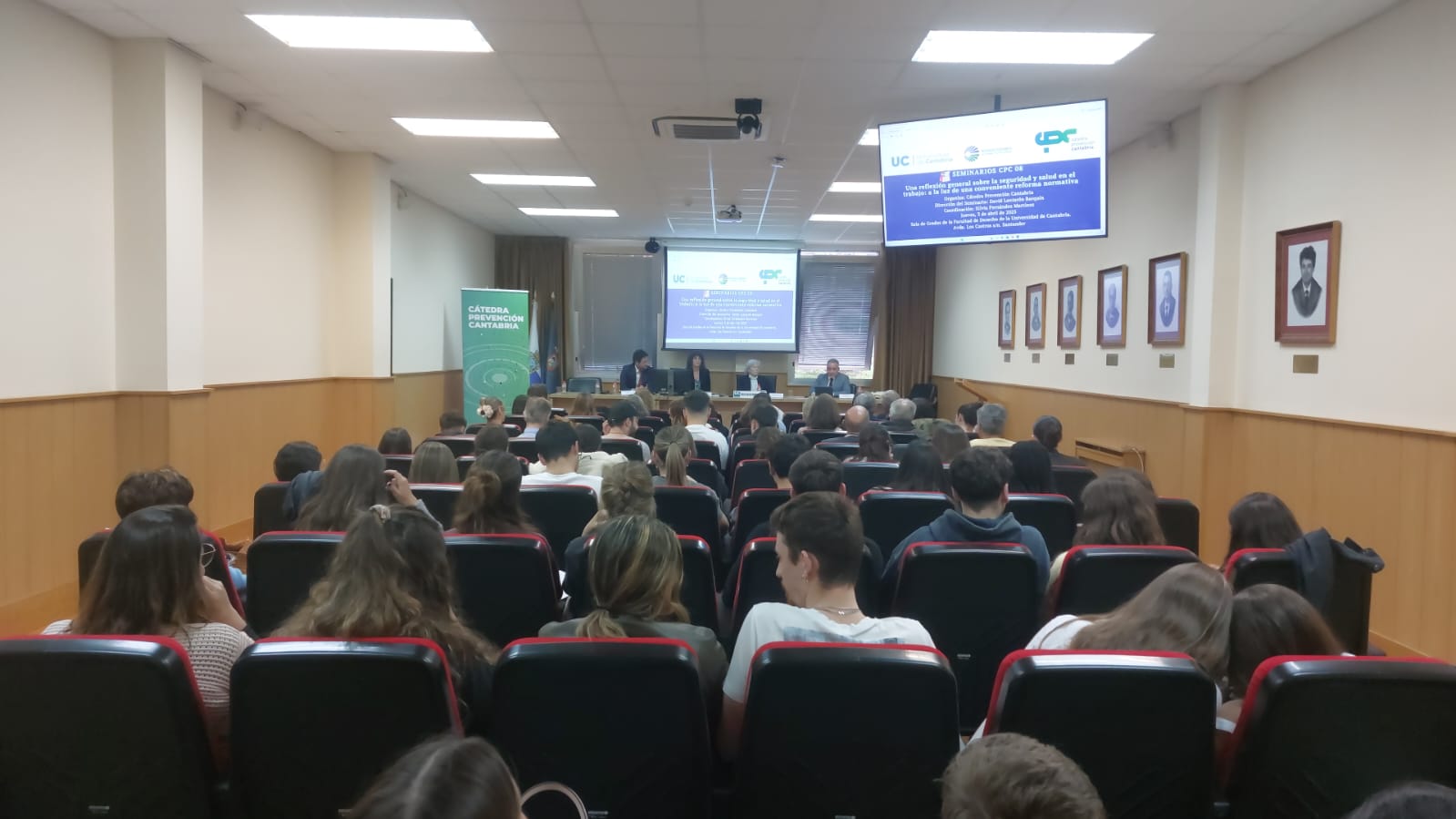
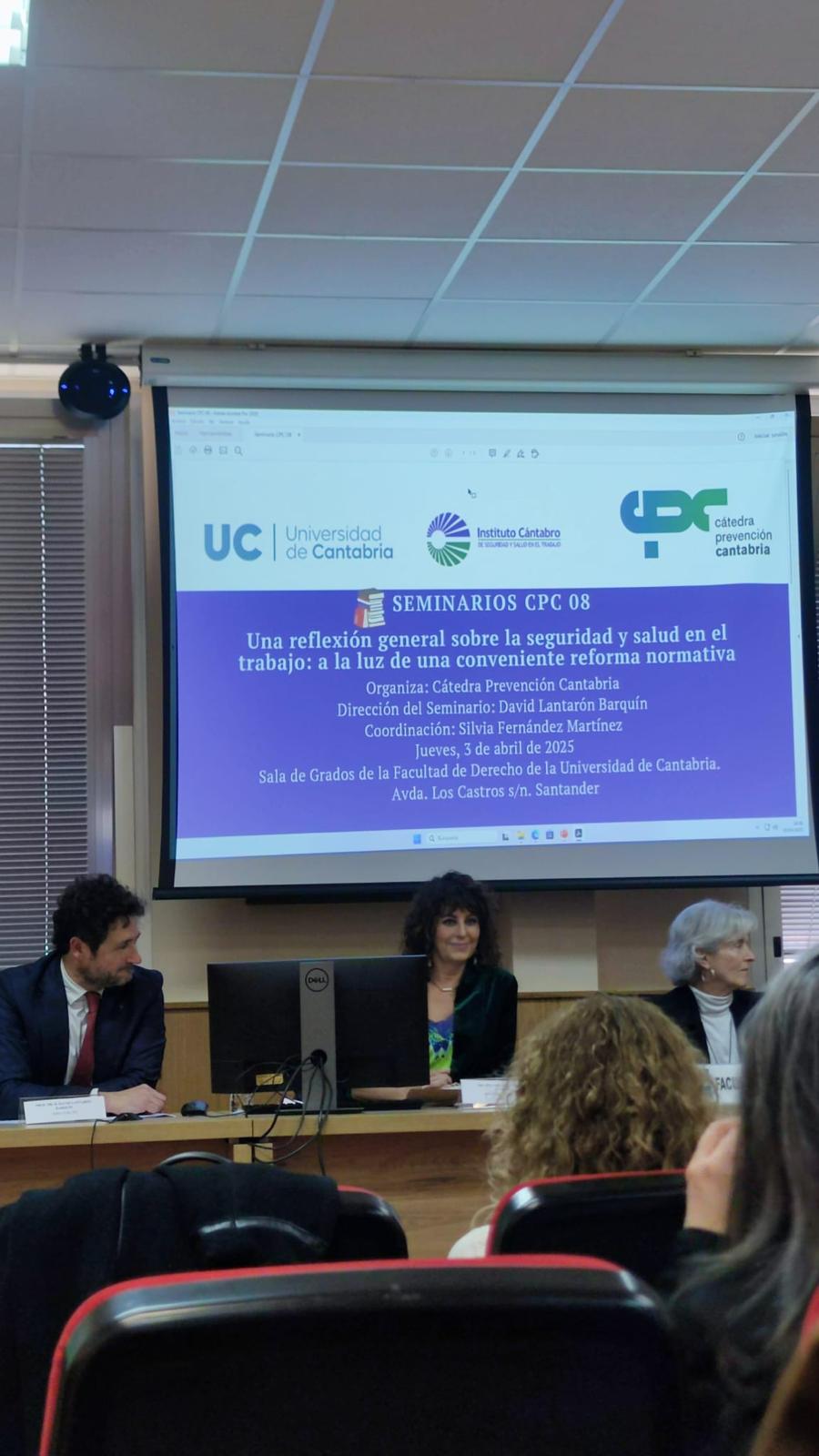
Fraternidad-Muprespa was present this Thursday at the seminar "A general reflection on safety and health at work: in light of a suitable regulatory reform", organized by the Cantabria Prevention Chair with the collaboration of the Cantabrian Institute of Safety and Health at Work (ICASST).
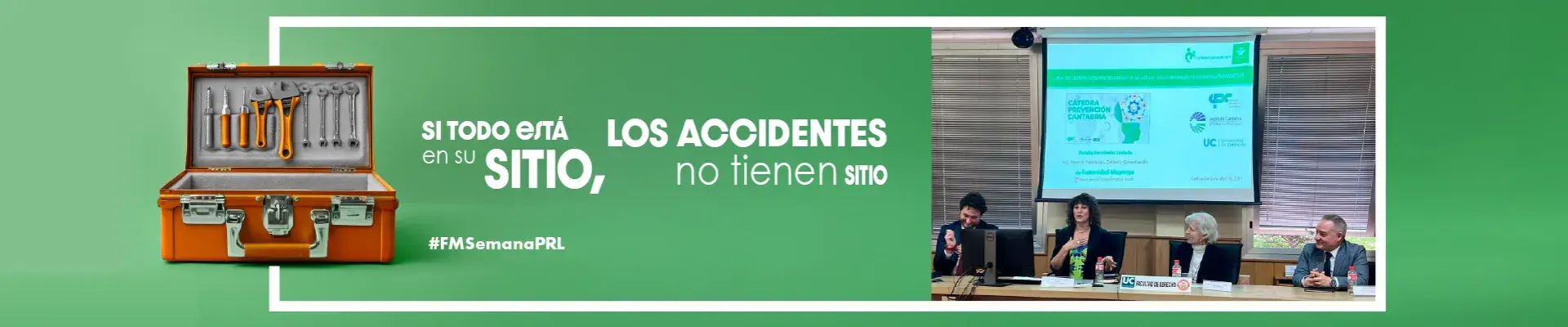
The meeting took place in the Degree Room of the Faculty of Law of the University of Cantabria.Natalia Fdez. Laviada, Deputy Director General of Prevention, Quality and Communication of the Mutua, presented at the table "Other key issues of an eventual reform" the presentation "Prevention of occupational risks and women: making the invisible visible."
Fdez.
"This must be the case due to legal imperative and social justice. But above all because it is evident that there are biological differences determined by sex and social differences derived from gender, and both affect occupational health," he assured.
The social dialogue table is working on a reform of the law on the prevention of occupational risks, 30 years later, focusing, among other topics, on psychosocial factors, the effective integration of prevention or issues such as digital disconnection, the gender perspective and age.
Likewise, he reviewed the regulatory iter from the Magna Carta to the Spanish Strategy for Safety and Health at Work 2023-2027, since “equality, equity and the gender perspective in prevention are included in a multitude of regulations and it is time to apply them, without excuses” he stated.
"Regardless of present and future laws," he concluded, "there are many business benefits of integrating different characteristics, patterns and designs into their equipment, tools and machines, without using only anthropocentric models, and also of understanding the impact of family responsibilities and the double role on fatigue; vertical and horizontal segregation or different working conditions; the importance of conciliation and flexibility or work or sexual harassment, which asymmetrically affect women in their personal and work lives, affecting their psychosocial risks."
This is a participation that also falls within the actions that Fraternidad-Muprespa carries out on the occasion of the X Prevention Week, which the Mutual Collaborator with Social Security celebrates annually around April 28, World Day for Safety and Health at Work and which this year has as its motto “If everything is in its place, accidents have no place.”