Sterilization unit of the Fraternidad-Muprespa Havana Hospital: the security that cannot be seen
This is one of the most unknown services but also one of the most important in a hospital center like the Fraternidad-Muprespa Habana Hospital. The sterilization unit is responsible for ensuring that the material that is going to be used in the operating room or in other areas, such as emergencies, arrives in perfect sterile conditions.
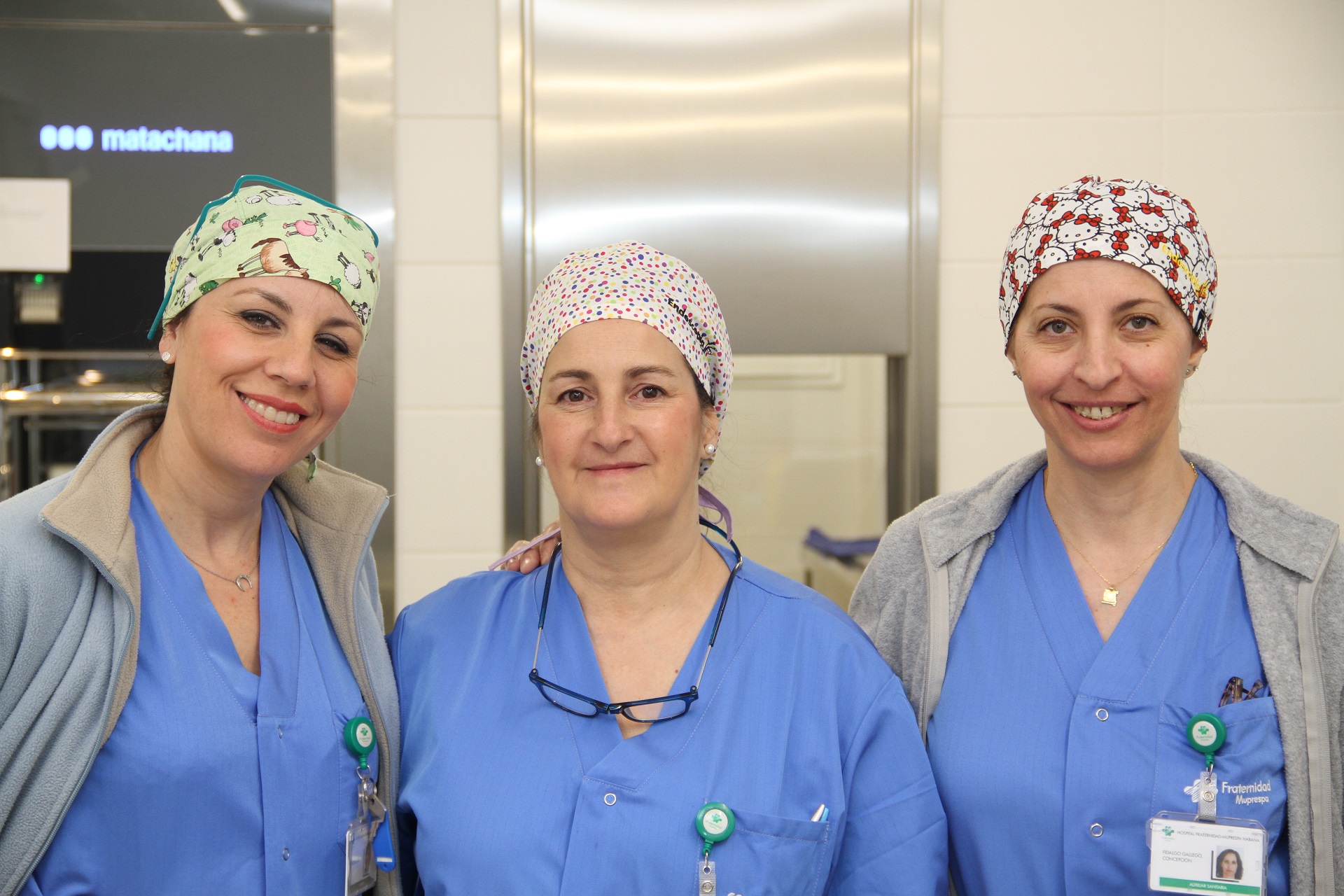
“Although it is not a care service in contact with the patient, all the work carried out by the unit aims to ensure the safety of the patient through very well-defined processes that include cleaning, disinfection and sterilization,” says Elena Muñoz Bodega, supervisor of the surgical block at the Fraternidad-Muprespa Havana Hospital. Each of these processes are essential but have different and complementary functions. Cleaning removes dirt and some microorganisms, disinfection destroys and inactivates many of those germs, and sterilization completely destroys all of them.
The Fraternidad-Muprespa Havana Hospital has several differentiated areas in the sterilization area:
- Reception area for material in transit, that is, material provided by commercial houses for interventions.
- Contaminated material reception area: this is the washing area, where material arrives from both the operating room and other areas of the hospital.
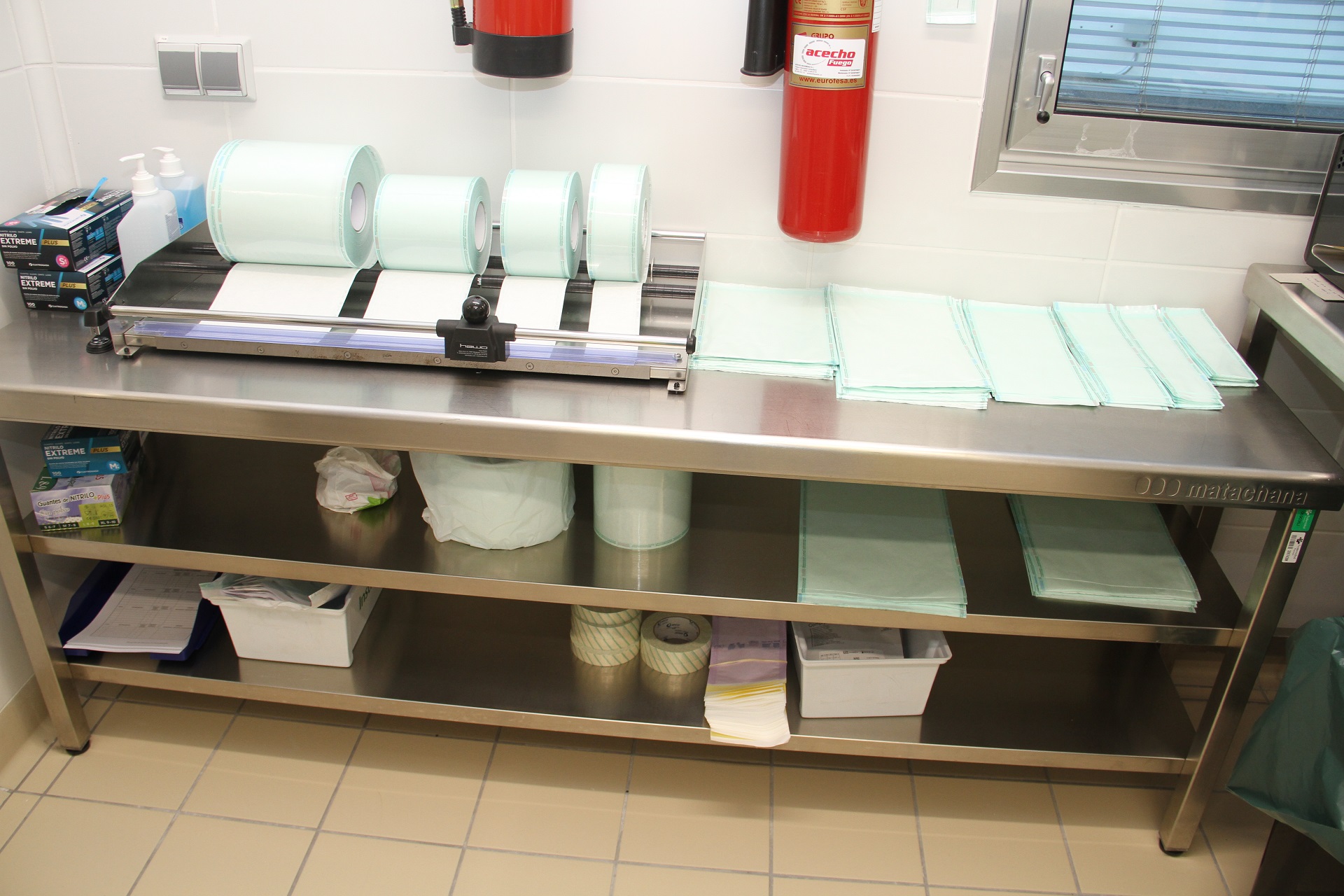
- Autoclave classification, packaging and loading area. It is where it is decided what material goes to each sterilizer. The status of said material is also reviewed and the pertinent computer records are made.
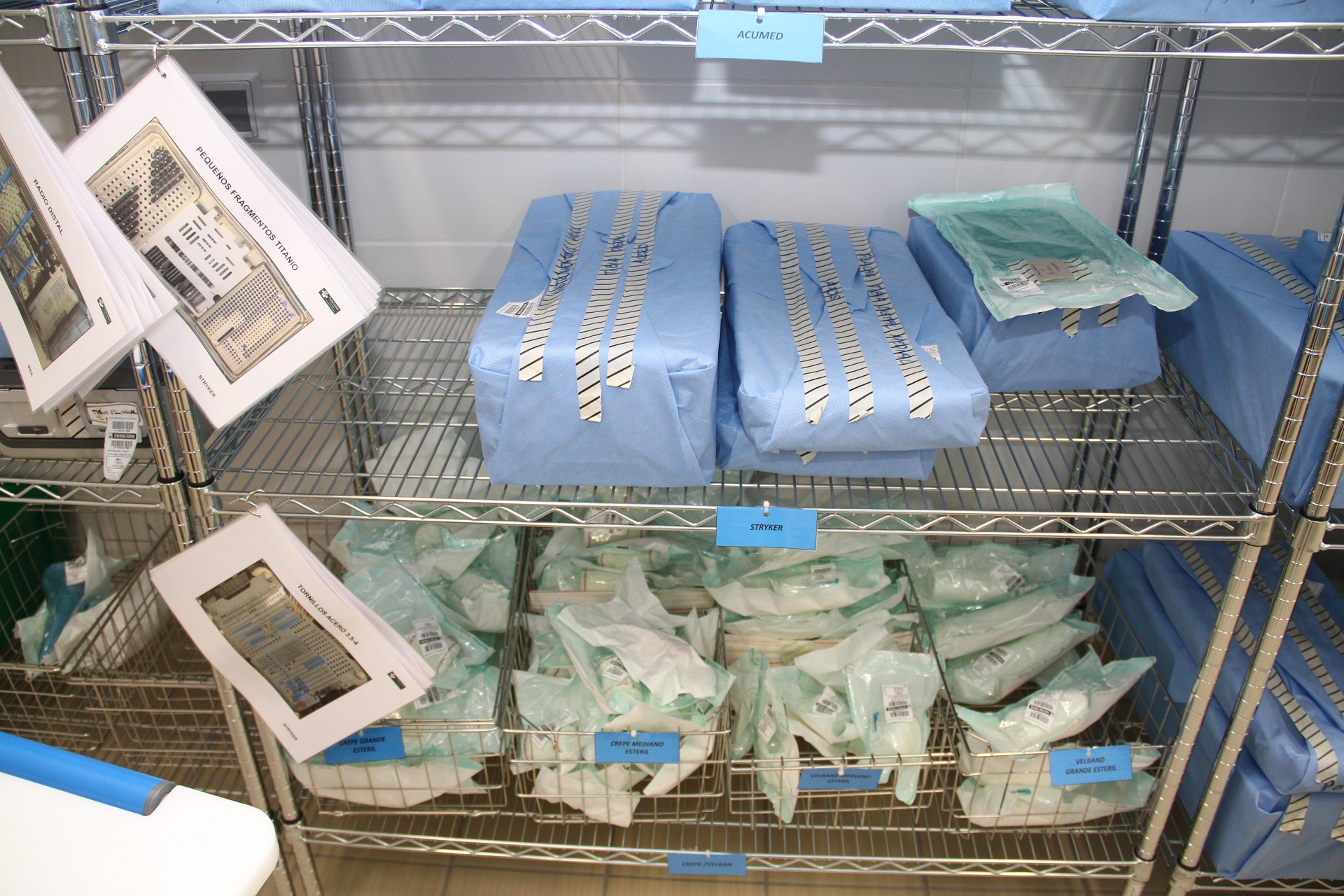
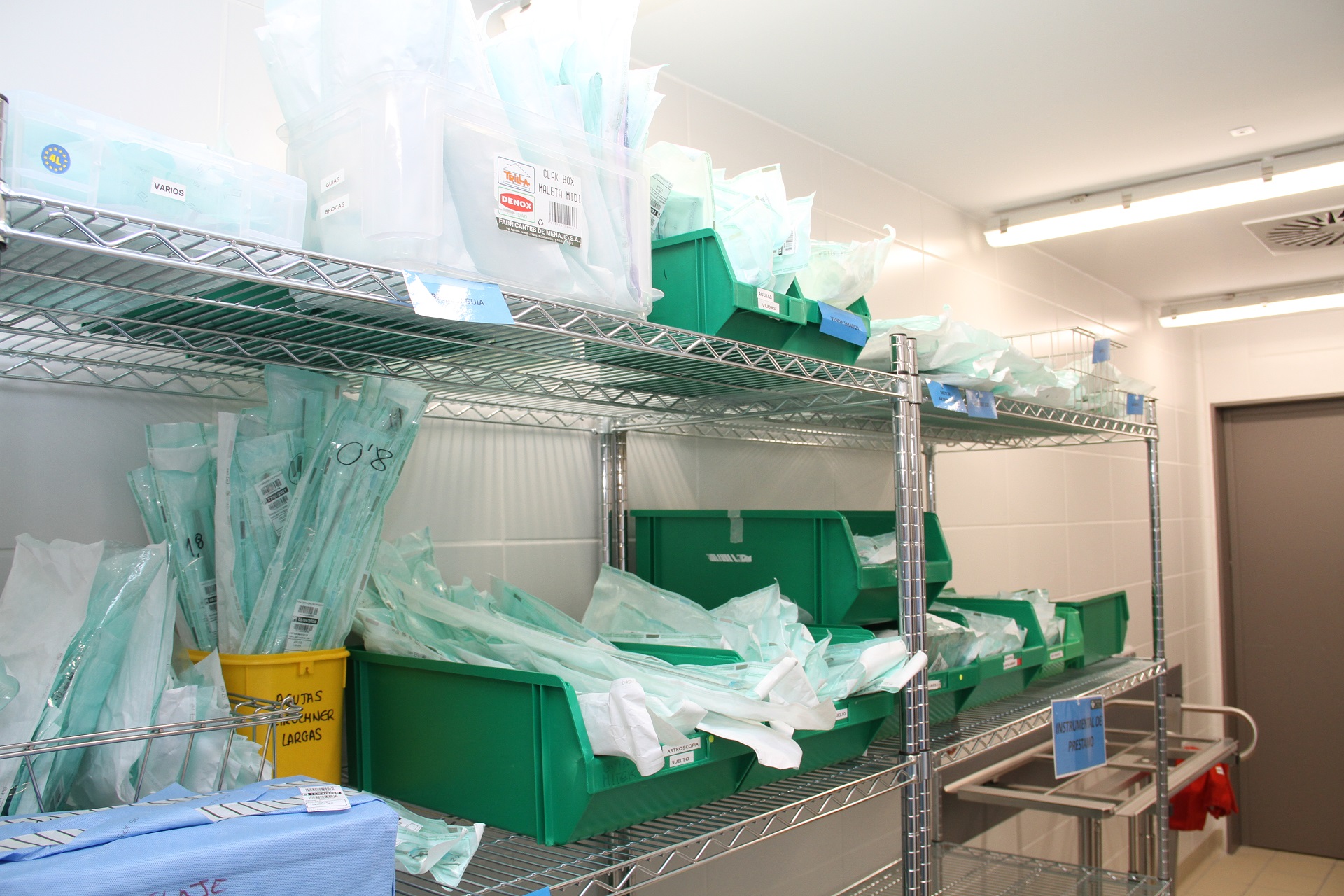
- Autoclave unloading area and sterile material storage.
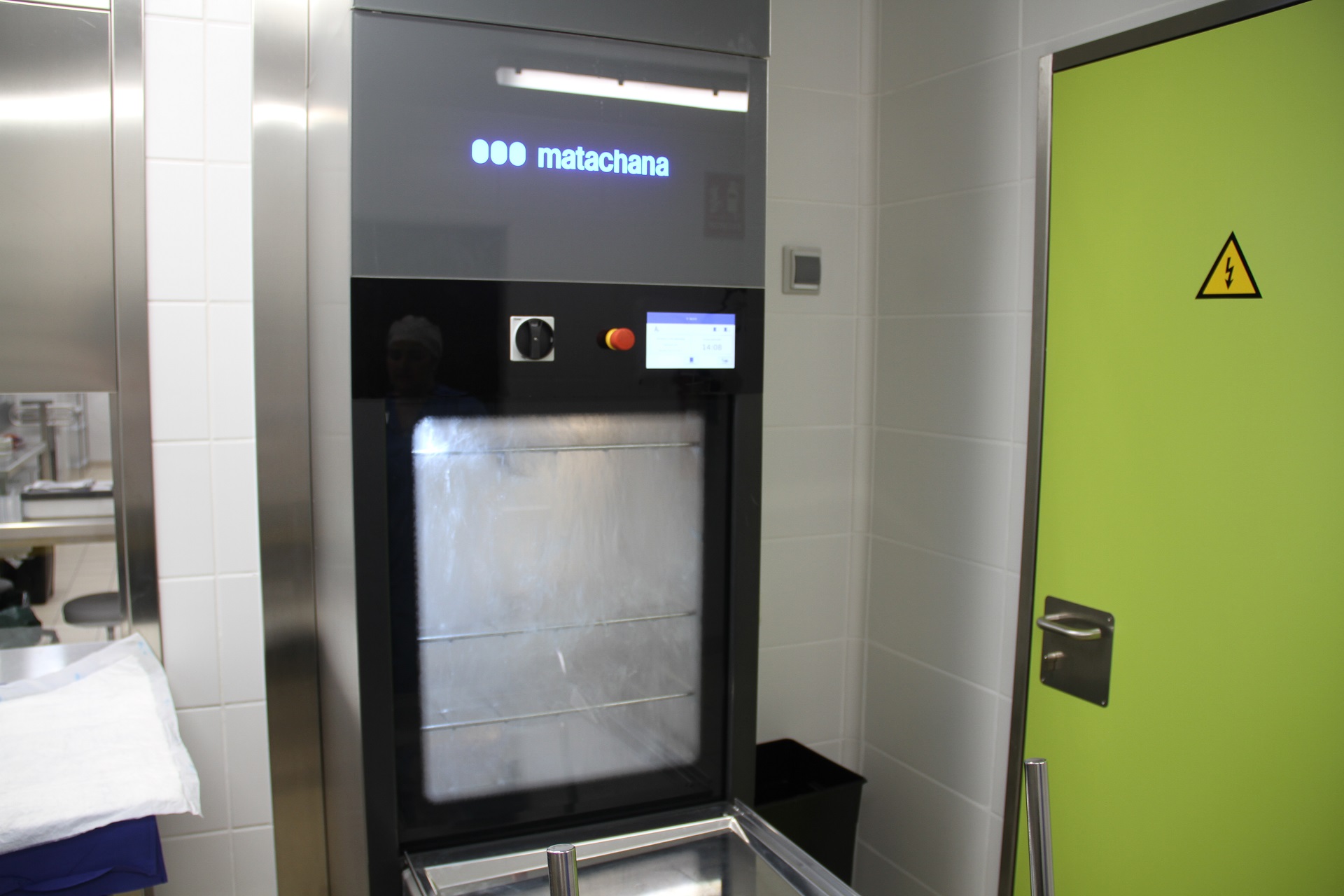
The equipment with which some of these processes are carried out does not differ too much from some of what we have at home. For cleaning and disinfection there are two machines, a washer-disinfector that eliminates organic matter, similar to a domestic dishwasher, and an ultrasonic washing machine, which produces high-frequency waves and is indicated for instruments that have many incrustations and to which dirt adheres more deeply.
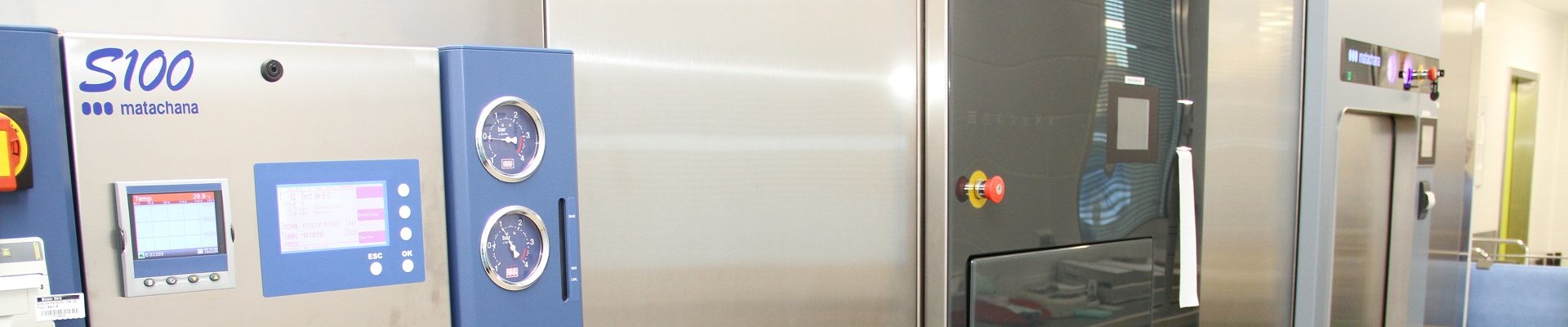
To sterilize instruments, the hospital has a steam sterilizer, in which the sterilizing agent is water vapor and which reaches a maximum temperature of 134 degrees, and a hydrogen peroxide sterilizer, for more sensitive material, and where the maximum temperature is 54 degrees.
The information that is transferred from this service to the patient's electronic medical record is related to the material that has been in contact with the patient. Just before an intervention, when the nursing staff is preparing the surgical field, they bring the gun close to the barcode on the sticker of each material and record all the information: batch of the sterilizer, expiration date and state in which it is located, that is, abundant information that allows data related to the patients to be tracked.
Another prominent concept present in the day-to-day life of this unit is traceability. Elena Muñoz describes it as "achieving comprehensive control of the product in all phases of the sterilization process, in the direct or reverse direction. This allows us to know how we have washed it, what day, in what machine, with which patient we have used it... it is the way of knowing that everything has been done correctly."