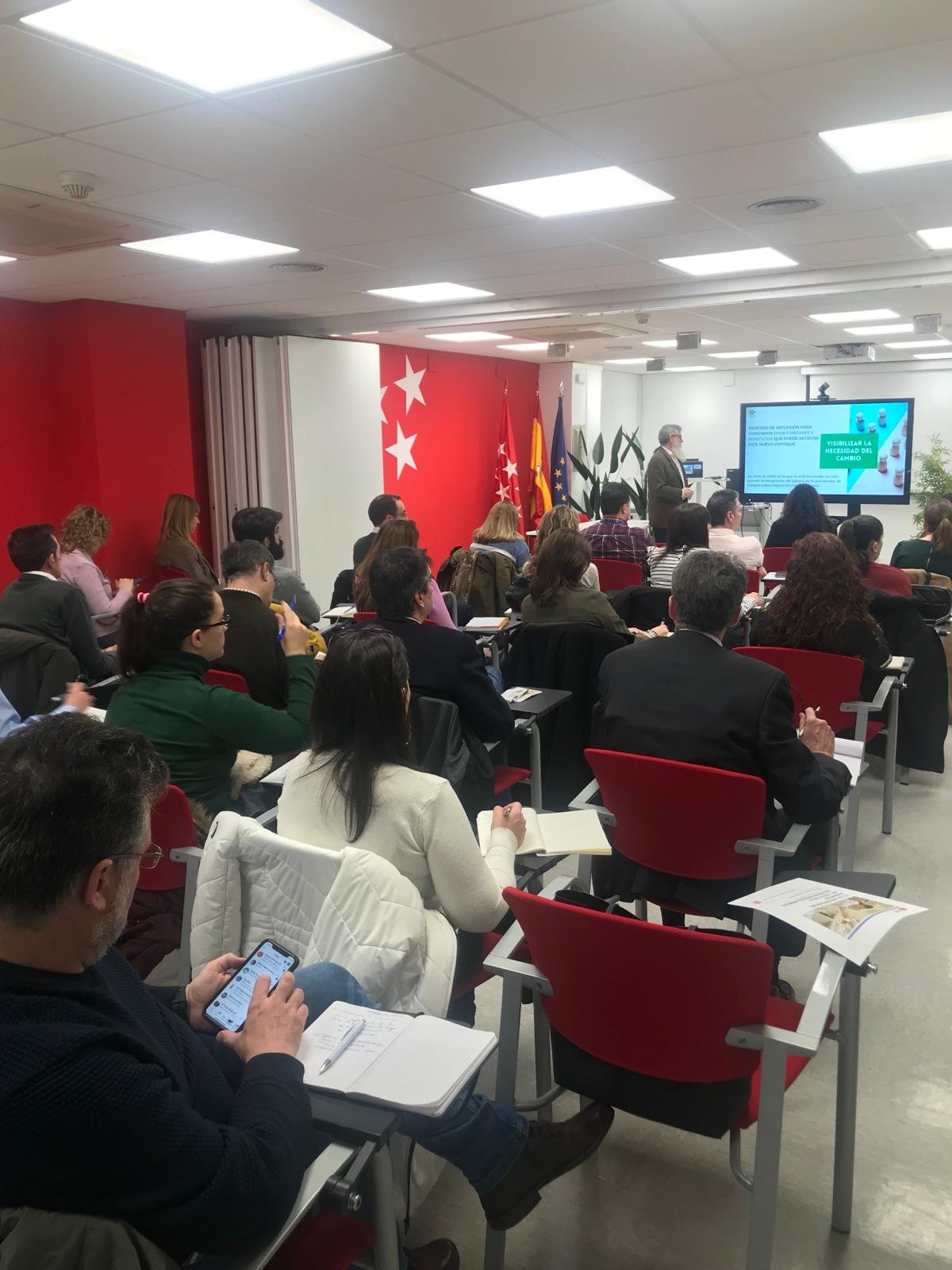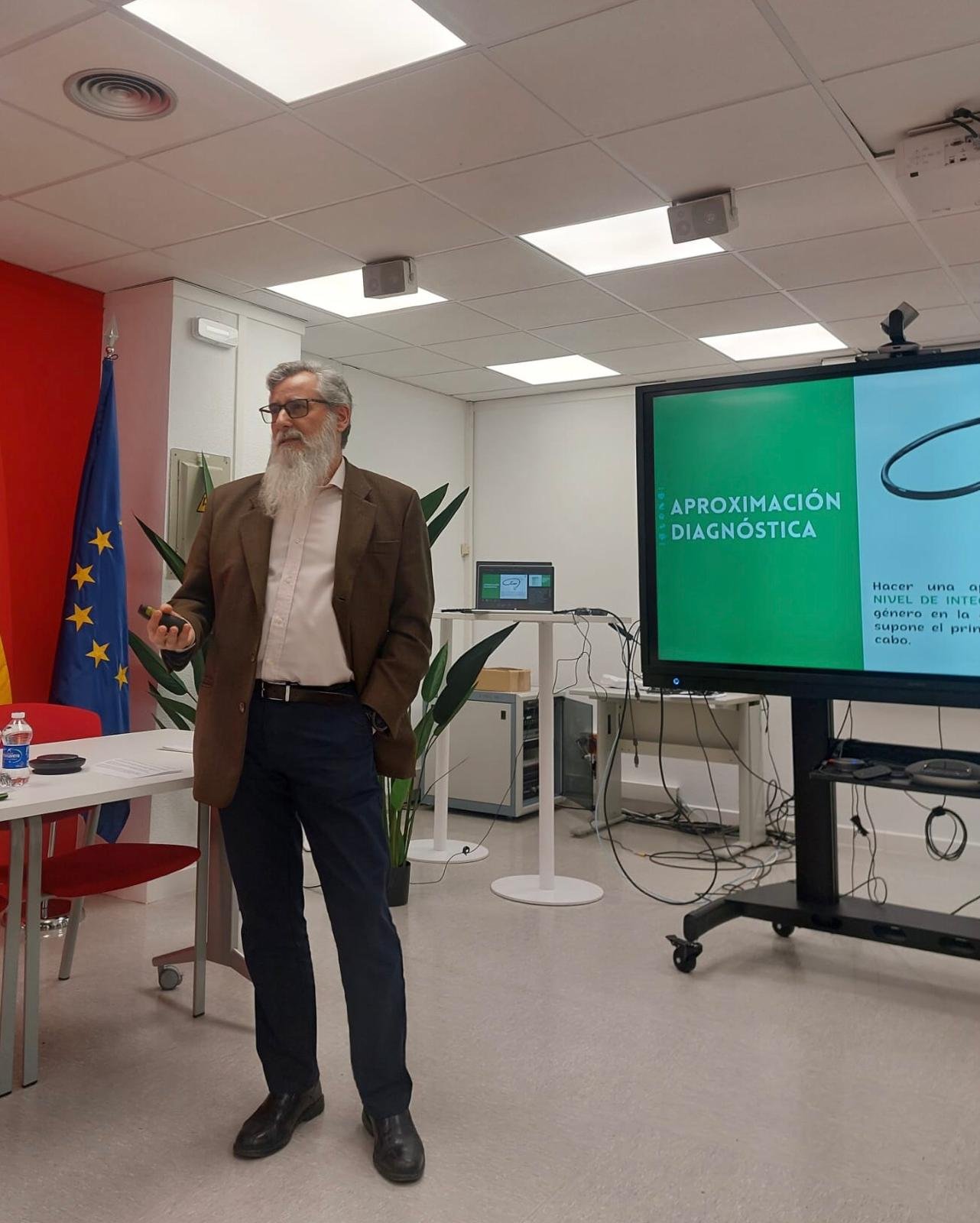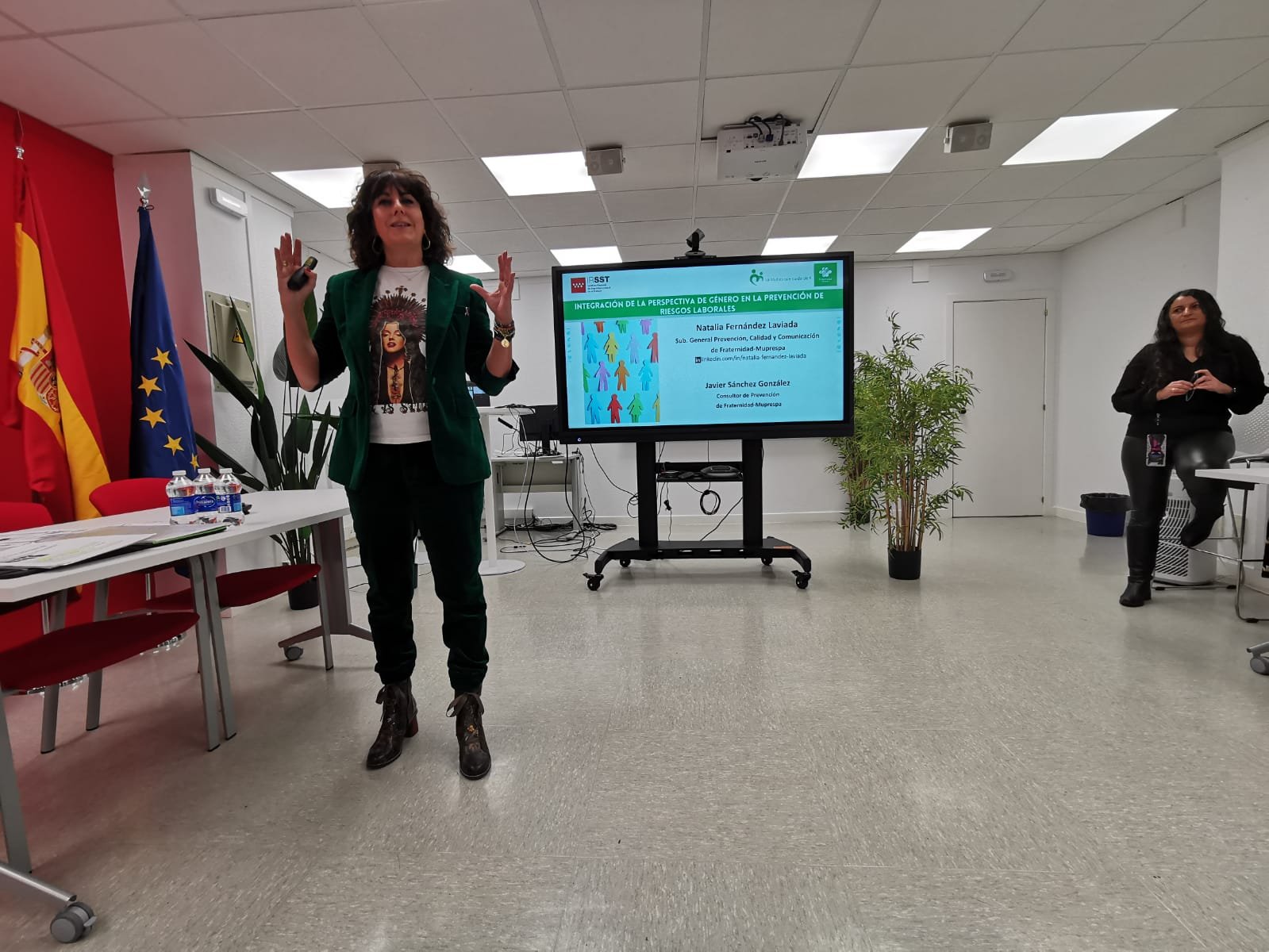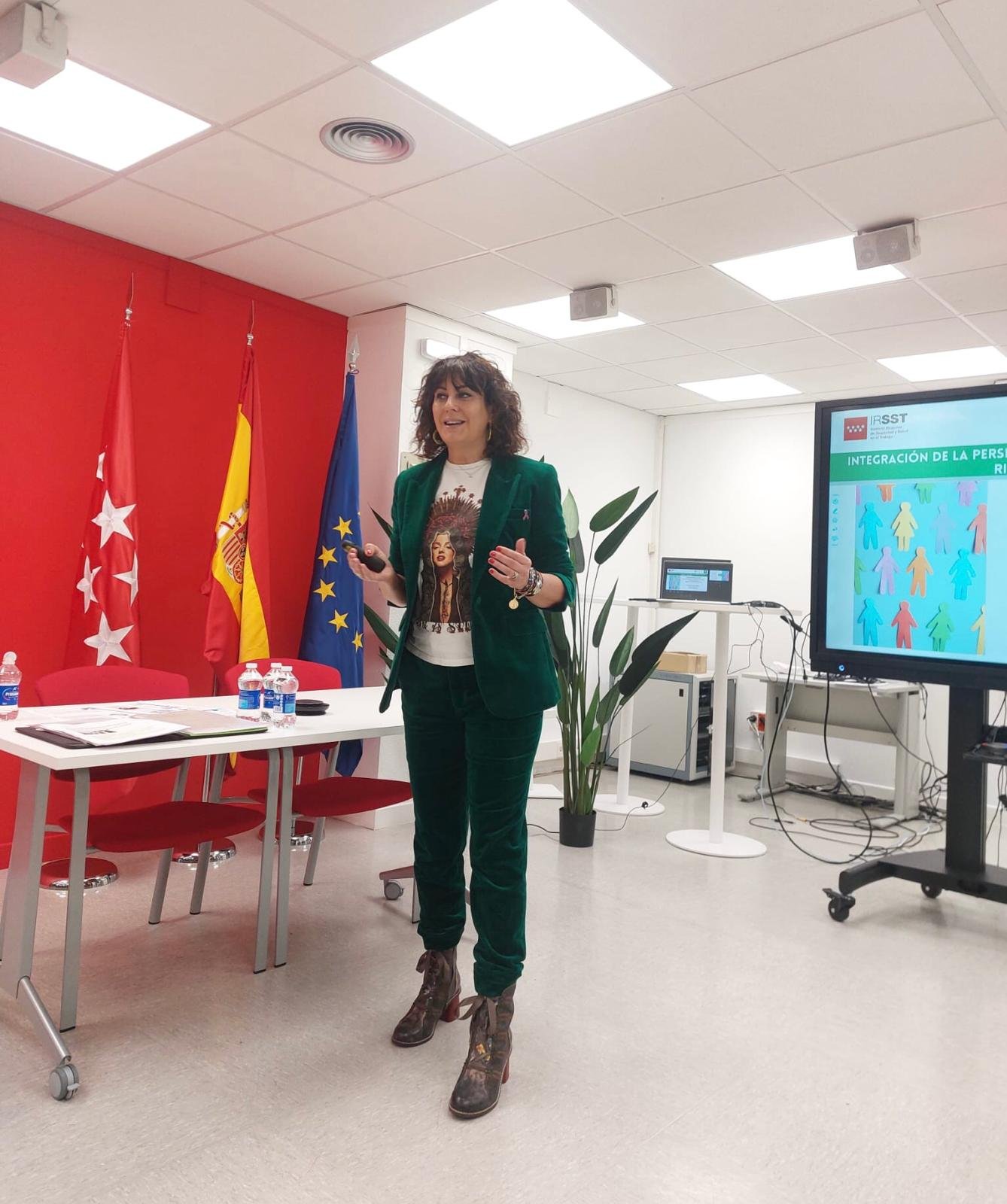

Fraternidad-Muprespa at the IRSST with the workshop “Integration of gender in occupational risk management”
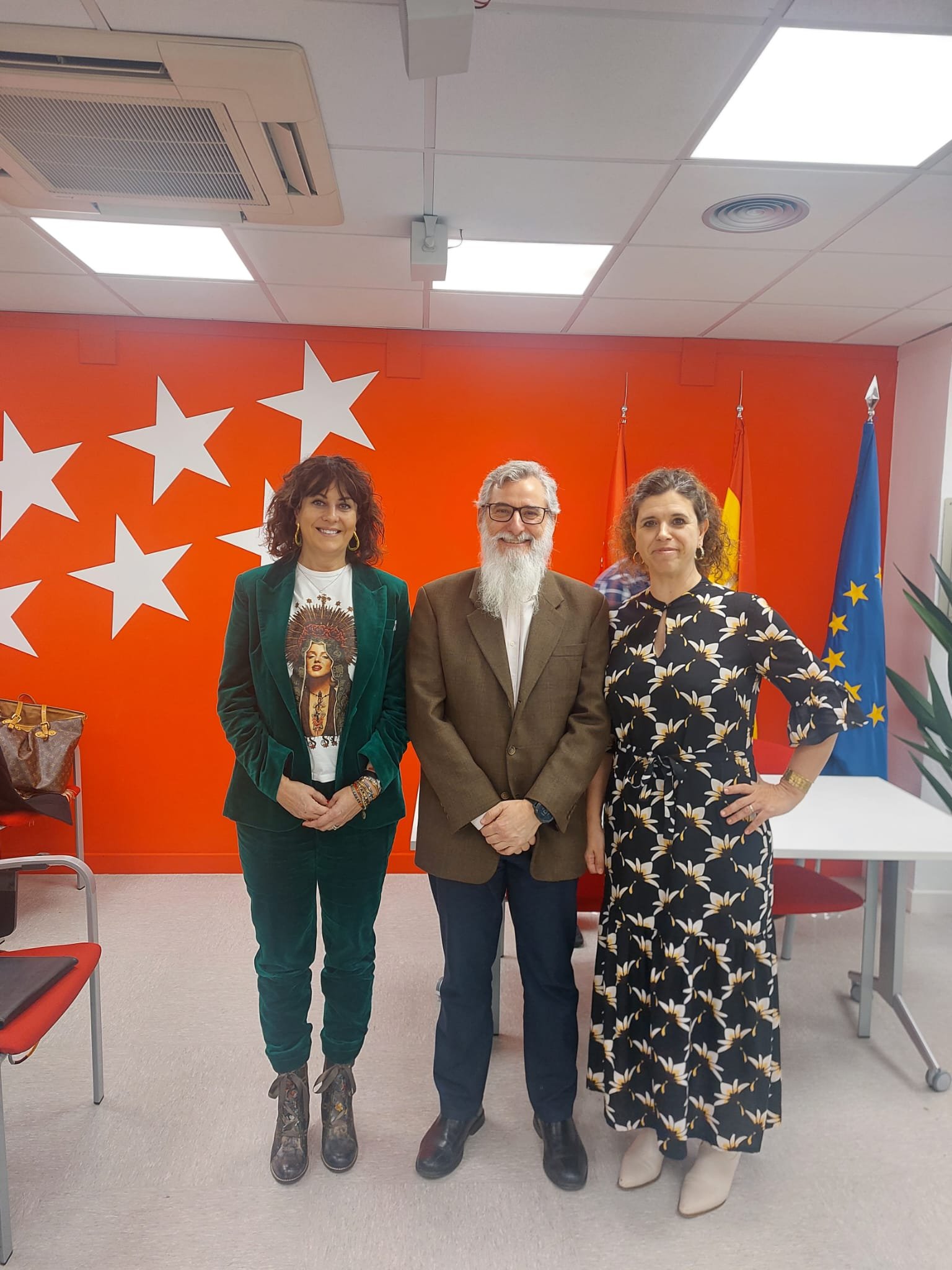
Natalia Fdez. Laviada, Deputy General Director of Prevention, Quality and Communication of Fraternidad-Muprespa, and Javier Sánchez, Prevention consultant of the Mutua, have addressed the workshop “How to integrate the gender perspective in the prevention of occupational risks” at the headquarters of the Regional Institute of Safety and Health at Work of the Community of Madrid, and as part of their actions around March 8, International Women's Day.
The workshop, which was attended by a large audience from different business sectors, such as unions, prosecutors and state security forces and bodies, was held in three parts. The first, context analysis, was carried out by Natalia Fdez.
He then went on to describe the reasons why it is essential to identify the differences and implement measures that integrate gender into prevention:
For social justice, since it is necessary to avoid unconscious biases based on the belief that some people or ideas are better than others, which is the root of discrimination and hinders inclusion.
Due to the abundant legislationin this regard, from the Spanish Constitution of 1978 and the PRL law of 1995 to LO 2023 on sexual and reproductive health.
Due to biological differences determined by sex, since the different genetics, physiology and anthropometry mark divergences to be taken into account from the angle of prevention and health, together with the social differences derived from gender, which gives rise to the assignment of different capacities and leads to a sexual division of labor: precarious feminized jobs, worse working conditions, less ability to reconcile work, greater temporality or greater wage gap, among others.
And finally because it is a benefit for the company, since it improves corporate well-being, the work environment and productivity, allowing work to be carried out in an ethical and responsible manner and thus increasing the positive image of the entity and its reputation.
For your part Javier Sanchez, He then intervened to describe the diagnostic approach to the company's situation, in such a way as to provide organizations with the idea of where to start and how far to go. “Executing actions without criteria, without planning, can lead to wasting resources and ideas, without achieving the expected results, which could cause the abandonment of this initiative, with the risk of not considering it again later,” he said.
Finally, he explained the change strategies, which list specific measures that companies can implement to advance this integration, such as immediate action measures, short-term planning, and measures for a continuous improvement process that involves a long term.
The day before, Dr. Mora participated in the same space in a conference on"Prevention of Carpal Tunnel Syndrome of Labor Originl" organized by theIRSST.