
Fraternidad-Muprespa presents the INGEPRE risk prevention project from a gender perspective
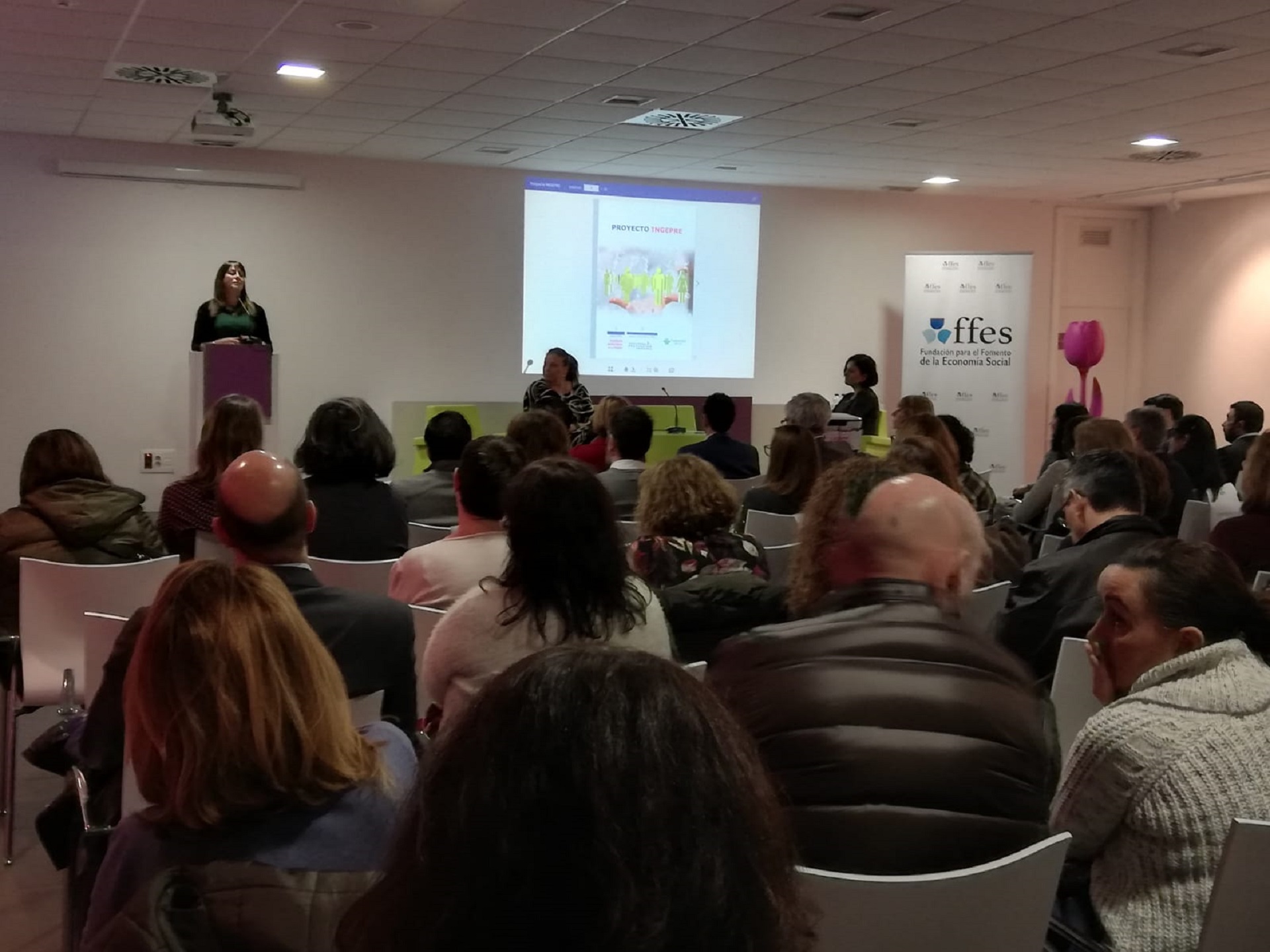
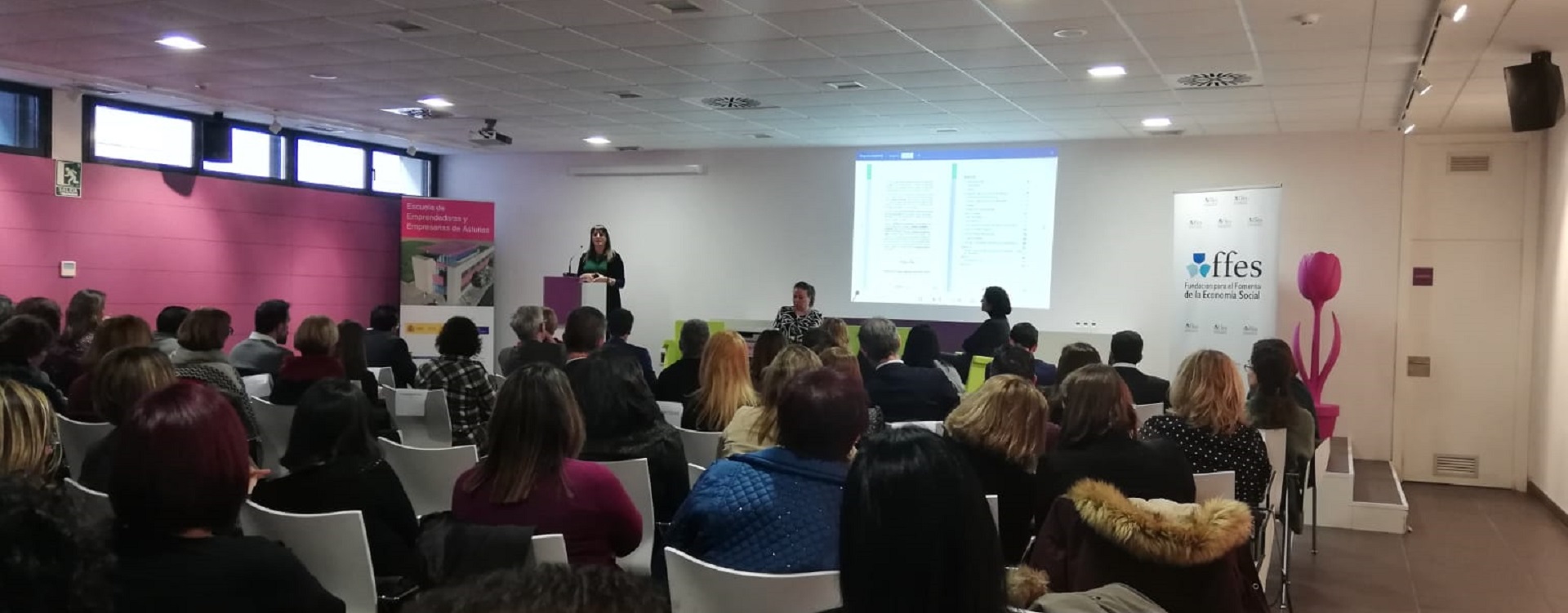
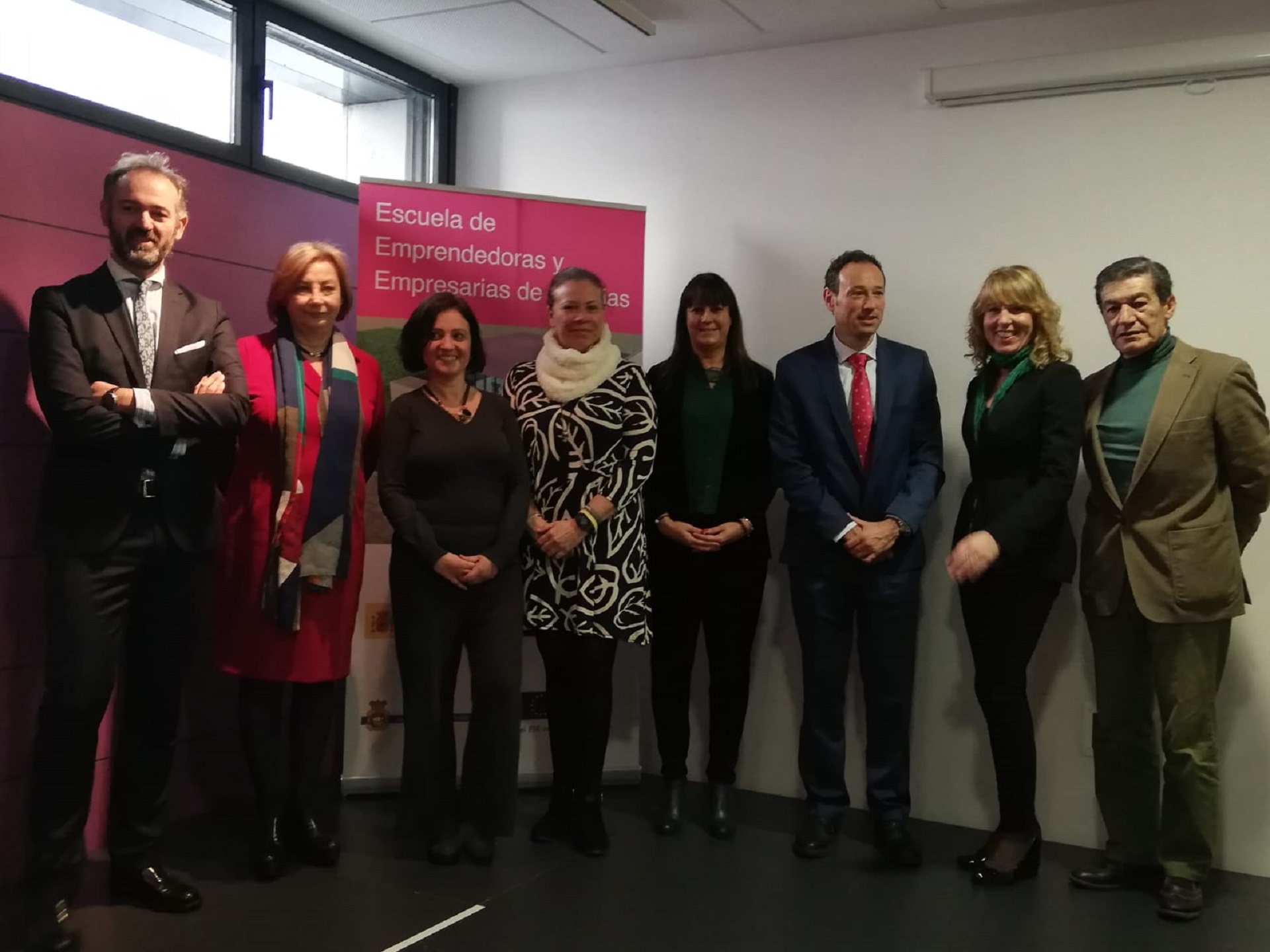
Fraternidad- Muprespa, Mutua Colaboradora con la Seguridad Social nº 275, participó hoy en la presentación de las conclusiones del proyecto INGEPRE (Integra Género en Prevención de Riesgos Laborales), en el marco del Convenio de Colaboración suscrito con el Instituto Asturiano de Prevención de Riesgos Laborales, y el Instituto Asturiano de la Mujer. Fraternidad-Muprespa, promoter and promoter of the project, thus wants to serve as an example to other companies and show its commitment to equality and the prevention of occupational risks, as an entity that holds the mark of excellence in Equality of the Principality of Asturias. Three directors from these entities have led the execution of the study and its presentation. It is about Natalia Fdez. Laviada, deputy general director of Fraternidad-Muprespa,Miriam Hernandez, general director of the Asturian Institute for Occupational Risk Prevention, and Almudena Cueto, general director of the Asturian Women's Institute.
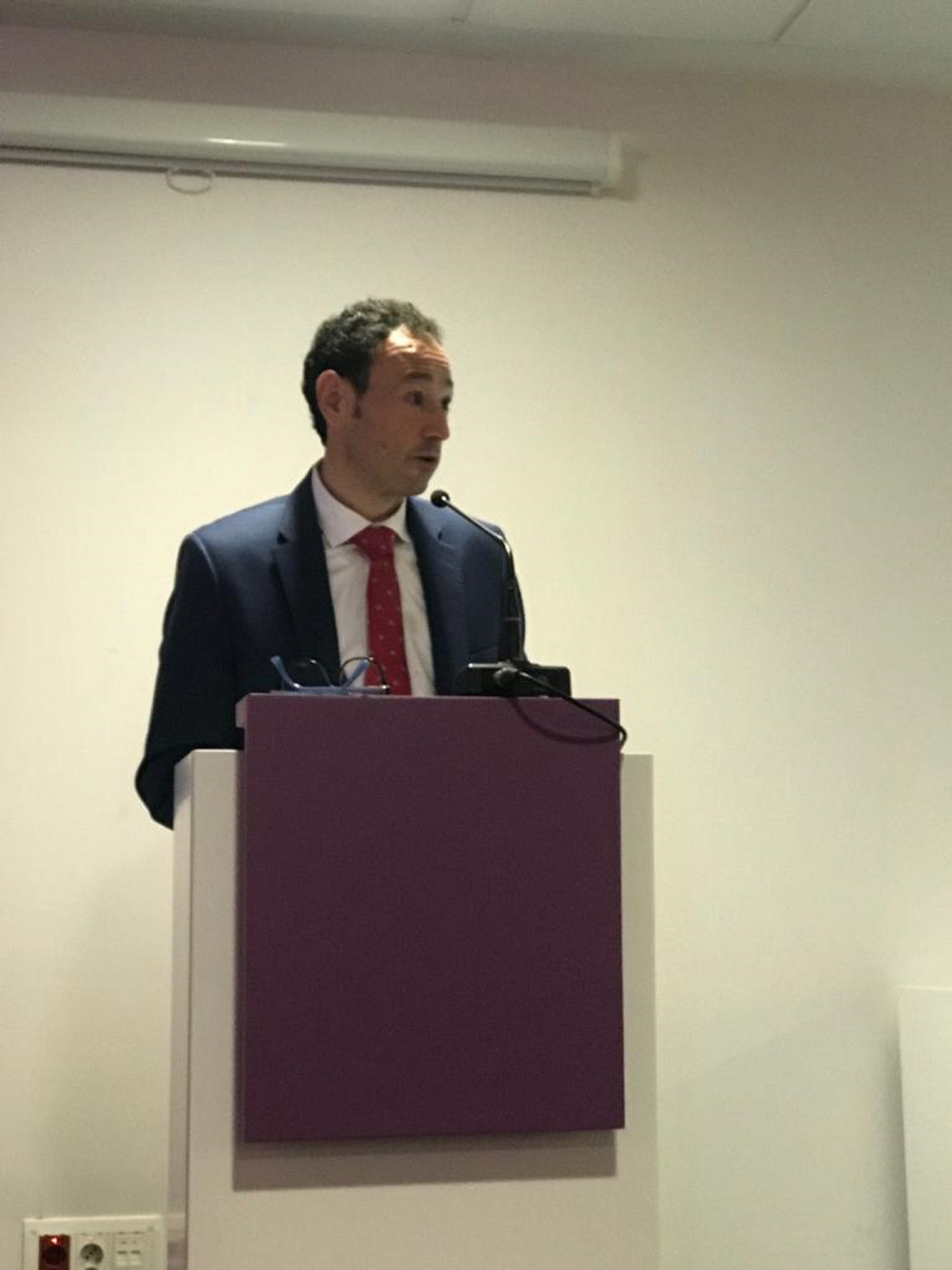
The presentation of the project took place during the presentation of the Distinction of the Asturian Brand of Excellence in Equality, which was attended by Guillermo Suarez, counselor of the Presidency and Citizen Participation of the government of the Principality, and of María Virtues Monteseirín, mayor of Avilés.
The purpose of this study is to integrate the gender perspective in the prevention of occupational risks, a process that requires evolution in the way of thinking and acting. For this reason, it focuses on the four most feminized sectors of activity and with the highest accident rate in the Principality of Asturias. The field work was carried out through a questionnaire on the Fraternidad-Muprespa web portal that was available for four months, for companies in the sectors under study: companies in the hospitality sector, assistance companies in residential establishments, social service activities without accommodation and service companies, especially related to cleaning tasks.
Natalia Fdez.
"We must continue working on gender mainstreaming in the field of occupational safety," said Natalia Fdez. Laviada
The most striking evidence of the study reflects that theory and practice are far apart. For example, 75% of participating companies declare that they have included equal opportunities in their internal policies, but only 25% have equality plans. Another example: 59% of companies say they have measures in favor of conciliation, but these are limited exclusively to complying with the law.
With respect to risk prevention, 80% of corporations do not incorporate differentiated material for men and women. Furthermore, 91% of companies do not analyze accident or absenteeism data disaggregated by sex.
The conclusions drawn by this study are not very encouraging: it is clear that there is little collaboration between companies when it comes to providing data, and even less so if they are asked in terms of gender; Activities carried out by women carry fewer safety-related risks and accidents are less serious, but more frequent and more linked to musculoskeletal injuries linked to forced postures and repetitive movements; Furthermore, the absence of adaptation of machines and tools for women in feminized sectors denotes that there are still pending tasks to be undertaken by prevention departments.
To counteract these shortcomings, measures are proposed such as greater provision and training on occupational risk prevention in a gender-sensitive manner, as well as collaborating in the development of equality plans, identifying good practices in companies, working to implement differentiated care for women and men and creating a decalogue for the integration of equality, prevention and conciliation measures.
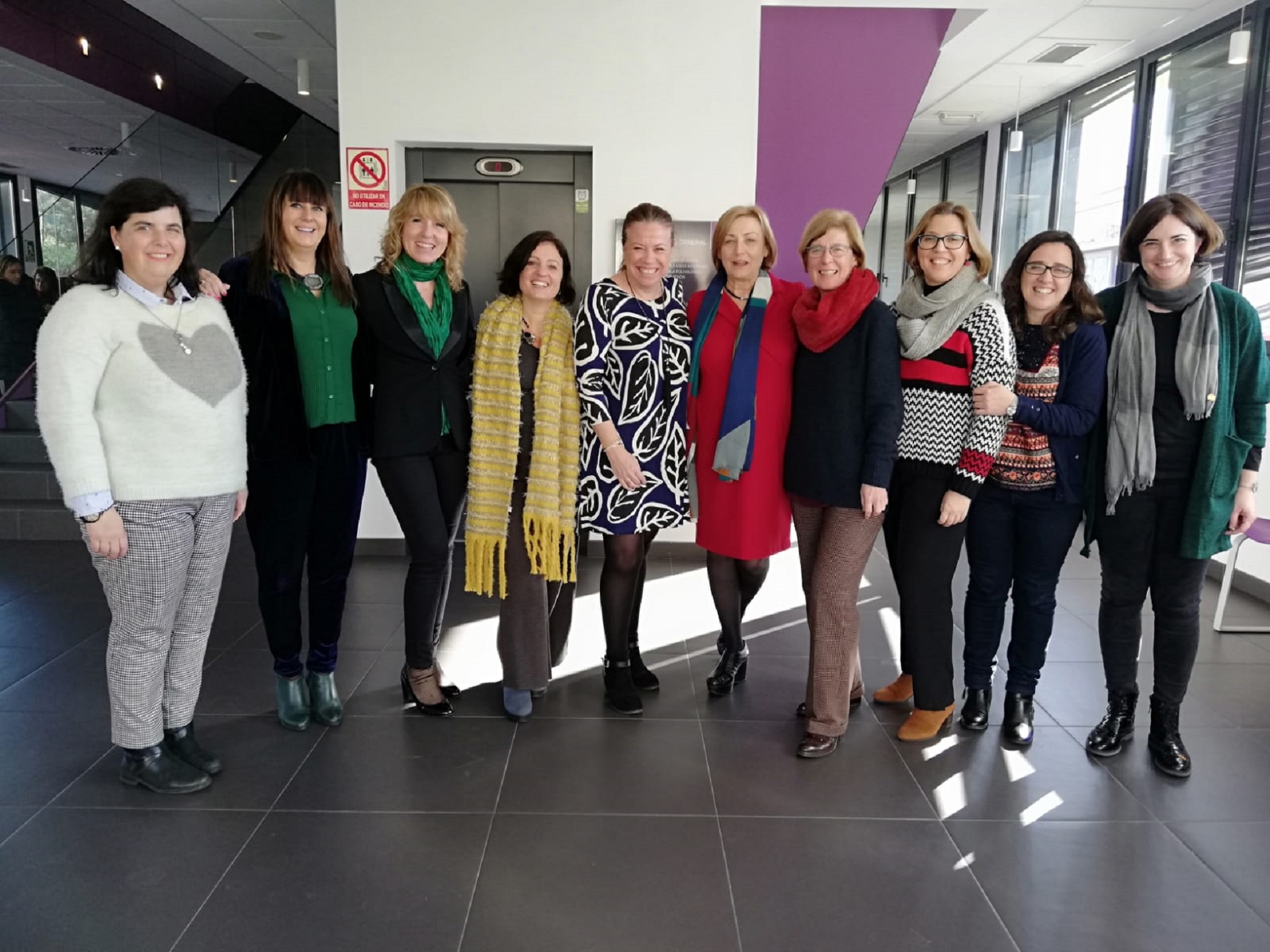
Next to Fdz. Laviada, Cueto and Hernández, the working group that developed these conclusions was made up of Helena Abigail Rodríguez, head of the Occupational Health Service of the Asturian Occupational Health Institute,Maria Paz Martin, head of the Planning and Programming Area of the same institution,Ana Fernandez, director of the Gijón delegation of Fraternidad-Muprespa,Carmen Alvarado, technical coordinator of Fraternidad-Muprespa,Florentina Alvarez, Coordinator of the School of Entrepreneurs and Businesswomen of Asturias,Natalia Garcia, founder of the Asturian Association of Prevention Technicians, ASATEP, and Laura Alvarez of the board of directors of the same organization.