Preventing musculoskeletal disorders: the importance of taking care of bones and muscles, on PodcastFM
Fraternidad-Muprespa, Mutual Collaborator with Social Security, has recently participated in various activities to join the celebration of the European Week for Safety and Health at Work of the EU-OSHA(European Agency for Safety and Health at Work).
PodcastFM has joined the initiative to give voice to these days, focusing on the importance of preventing musculoskeletal disorders (MSDs), and has done so hand in hand with Laura Valtueña, physiotherapist at Mutua for 19 years and for ten years, rehabilitation supervisor at the Madrid Provincial Directorate of Mutua, as well as an internal trainer and associate professor.
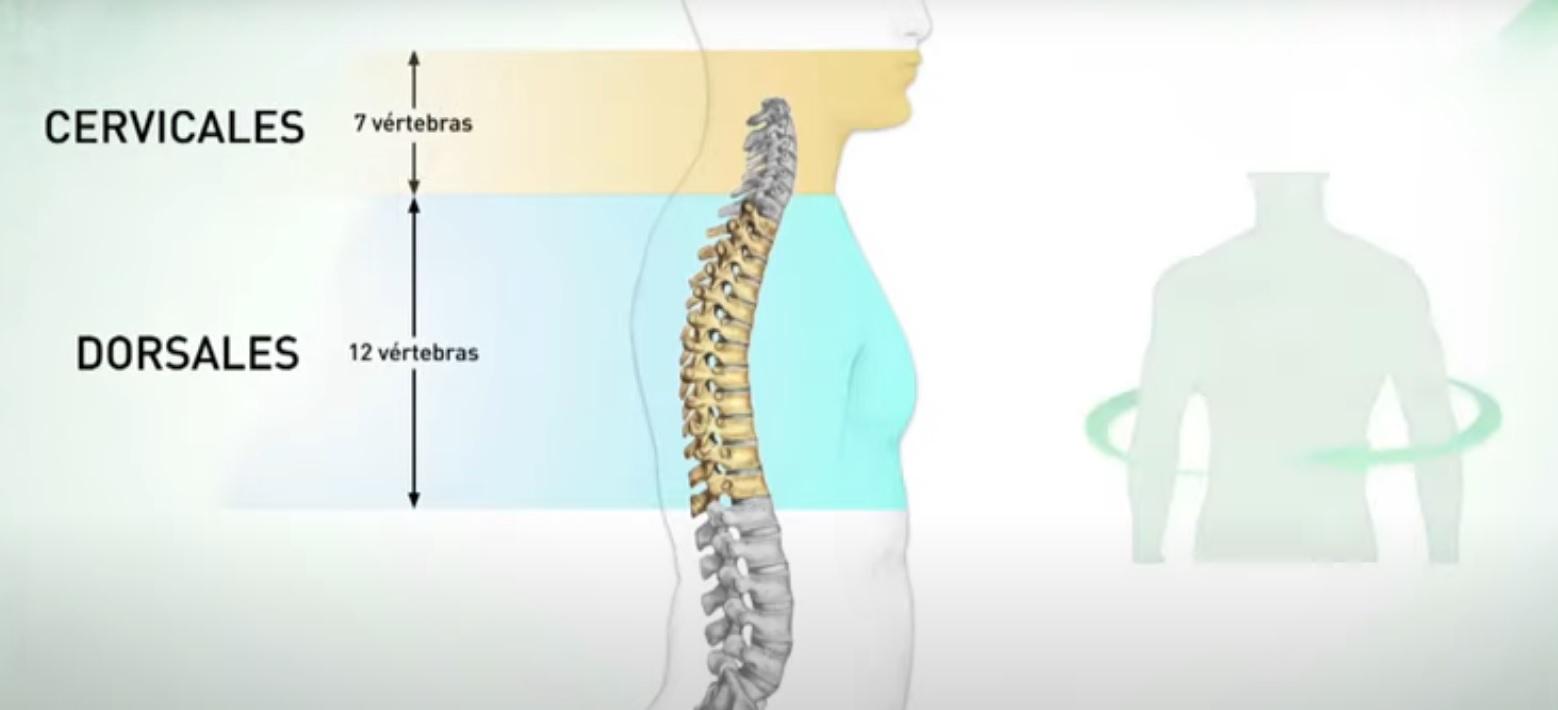
Valtueña describes what MSDs are, first explaining what the musculoskeletal system is. "It is the system that provides shape, stability and movement to the human body. It is made up of bones, muscles, tendons, ligaments, joints, cartilage and other types of tissues. Our body is designed for movement and if they do not function well, it will incapacitate us and limit our quality of life. The physical risk factors that can generate musculoskeletal disorders are repetitive movements, sustained postures, prolonged sitting time as well as lifting objects or moving loads or people.”
Physical risks are not the only ones that can lead to an MSD: there are also biomechanical, organizational and psychosocial factors. In this difficult time, and due to the consequences of the coronavirus pandemic, the latter include stress due to fear, work overload, for example among health personnel, transporters or supermarket workers, and also due to concern about business closures and the economic situation.
These disorders can cause pain and discomfort in the cervical, dorsal and lumbar spine, shoulders, upper and lower extremities, and can make the person unable to do their job, which translates into temporary disabilities, which involve both direct costs and indirect costs.
According to Laura Valtueña, the most common types of work-related MSDs are back pain and pain in the upper extremities. Low back pain is the most disabling of all of them, while the most common are “algias” related to the spine, such as neck pain, back pain and low back pain; “itises”, related to the extremities, such as rotator cuff tendonitis, epicondylitis or tennis elbow and epitrochleitis, or golfer's elbow.
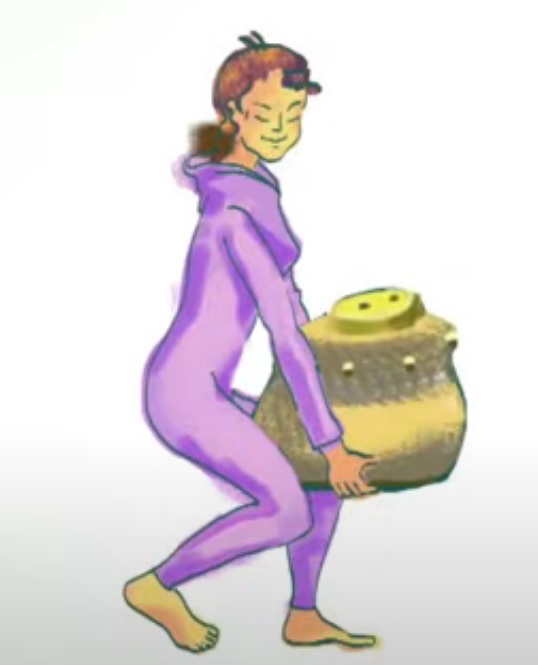
To try not to suffer from these pathologies, Laura Valtueña gives a very important recipe: "prevention, prevention and prevention. This involves maintaining good posture to avoid back pain, handling loads in a safe way and trying to minimize repetitive movements. Also doing stretching exercises and strengthening the muscles that we have weaker, like the ones we have published in the back school from Fraternidad-Muprespa, where we give guidelines for performing simple exercises that are very effective.”
Data on the consequences of musculoskeletal disorders in
Retail trade, the food industry, and building and gardening services are the activities to which, for the most part, workers whose injuries initiated these processes are engaged.